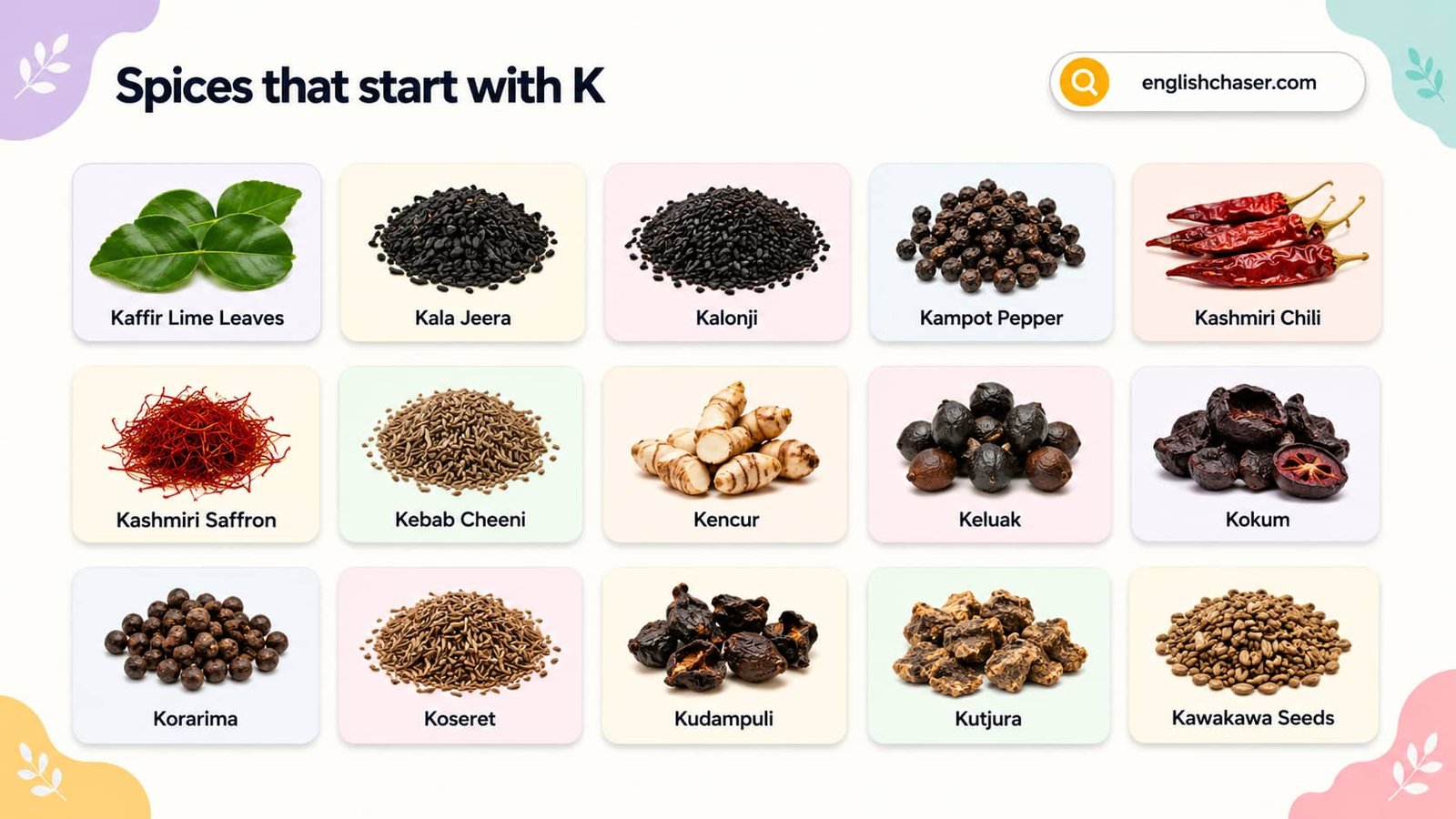

Spices That Start With K include peppercorns, chili peppers, aromatic roots, and dried seeds. Their flavors range from earthy and nutty to hot, warm, and fragrant. Some are closely tied to South Asian cooking, while others come from Southeast Asia and Africa. Learning their names also helps distinguish similar ingredients, such as kala jeera and kalonji, which look alike but come from different plants.
Spices that Starting with K pictures, uses, flavors, and regional connections. Spices That Start With K can also help when discussing recipes, ingredients, markets, and culinary traditions in everyday food conversations.
What are Spices Starting with K?
Spices beginning with K come from several plant parts, including seeds, fruits, roots, and dried peppers. Their culinary roles vary from adding heat to giving rice, vegetables, meats, and sauces deeper aroma.
Some spices have multiple regional names, so context matters when identifying them. Kala jeera and kalonji are especially easy to confuse, despite having different botanical identities and flavors.
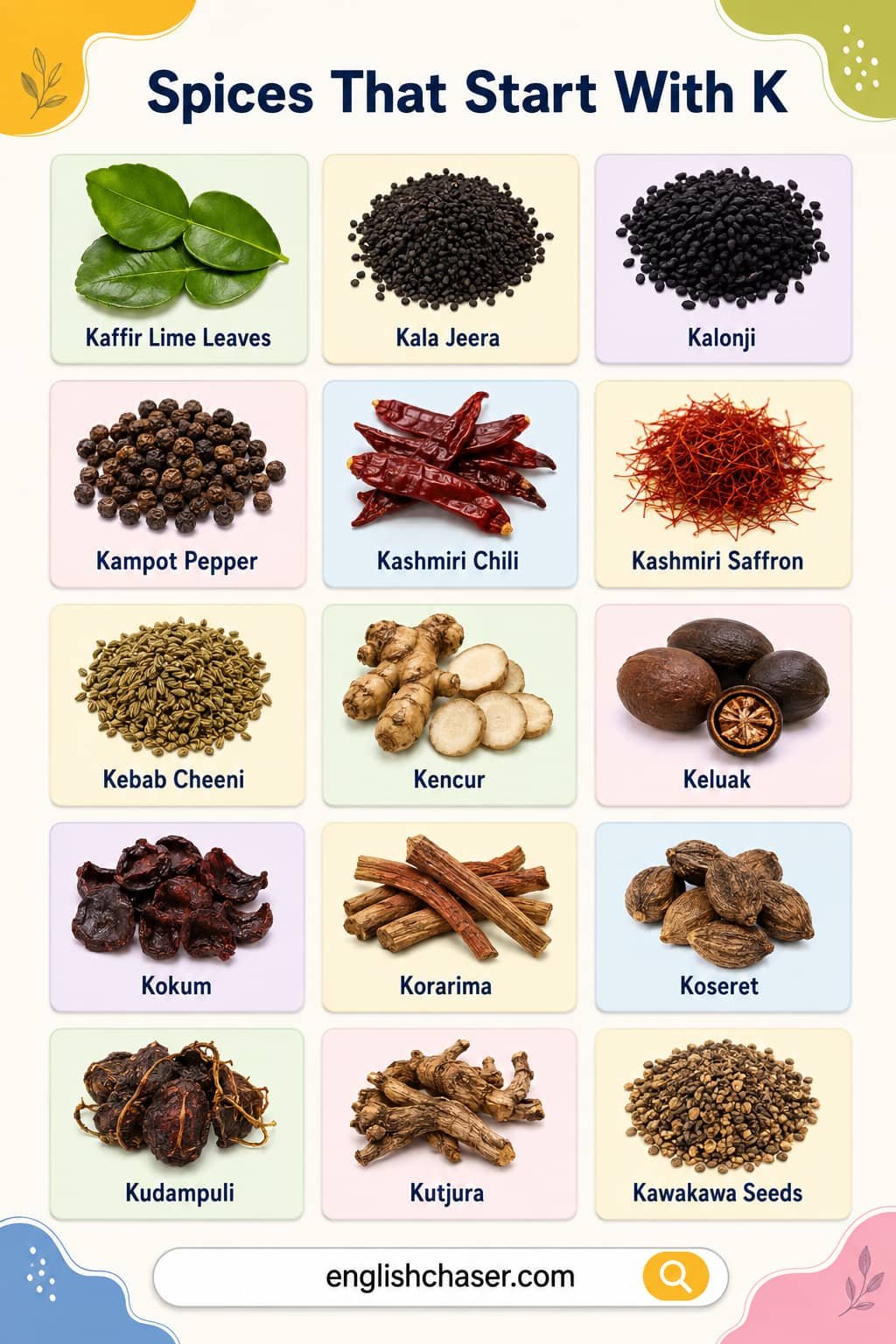
List of Spices that Start with K
Spice that starts with K names include whole seeds, peppercorns, dried chilies, roots, and regional seasonings. Below is a practical list covering the recognized ingredients used across different cuisines.
- Kachri
- Kaffir Lime Leaves
- Kala Jeera
- Kalonji
- Kampot Pepper
- Kashmiri Chili
- Kashmiri Saffron
- Kebab Cheeni
- Kencur
- Keluak
- Kokum
- Korarima
- Koseret
- Kudampuli
- Kutjura
- Kawakawa Seeds
Spices that Beginning with K with Pictures
Pictures make unfamiliar spices easier to distinguish by shape, color, and texture. Pay close attention to differences between small black seeds, dried red chilies, peppercorns, and fresh or dried roots.
Kachri
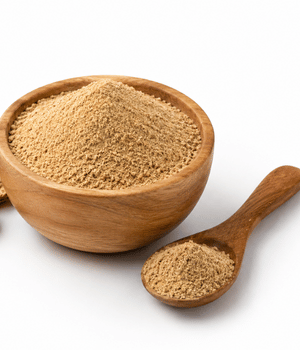
Kachri is a dried fruit spice made from small wild cucumbers traditionally used in Indian cooking. It has a tangy, slightly sour, earthy flavor that adds depth to meat dishes, chutneys, and vegetable recipes. Cooks often grind dried kachri into a powder before use. In some regions, it is also valued as a natural meat tenderizer.
Kaffir Lime Leaves
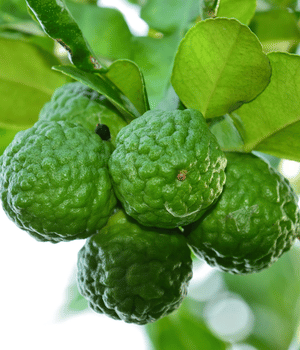
Kaffir lime leaves are fragrant citrus leaves commonly used in Southeast Asian cooking. They have a bright, sharp, lime-like aroma with slightly bitter and herbal notes. The leaves are added whole or finely sliced to curries, soups, stir-fries, and sauces. Their essential oils give dishes a distinctive citrus fragrance, and the leaves are usually removed before serving when left whole.
Kala Jeera
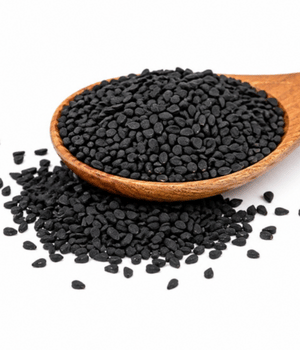
Kala jeera is a small aromatic seed used as a spice in South Asian cuisine. Its name means “black cumin,” although it can refer to different seeds depending on the region. The seeds have a warm, earthy, slightly bitter flavor with a delicate smoky aroma. They are commonly added to rice dishes, breads, curries, and spice blends.
Kalonji
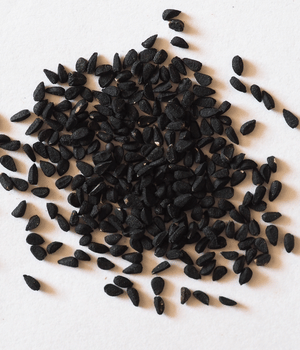
Kalonji is a small black seed from the Nigella sativa plant, widely used as a spice in South Asian and Middle Eastern cooking. It has a pungent, slightly bitter flavor with peppery, onion-like, and nutty notes. Whole kalonji seeds are often sprinkled over naan and breads or added to pickles, curries, vegetables, and spice mixtures.
Kampot Pepper
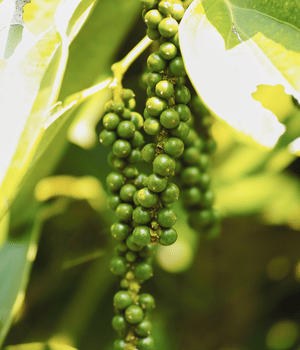
Kampot pepper is a premium pepper grown in Cambodia’s Kampot region and is known for its strong aroma and complex flavor. Depending on its ripeness and processing, it may taste peppery, fruity, floral, or mildly sweet. Black, red, white, and green forms are used in cooking. It pairs especially well with meats, seafood, sauces, and vegetables.
Kashmiri Chili
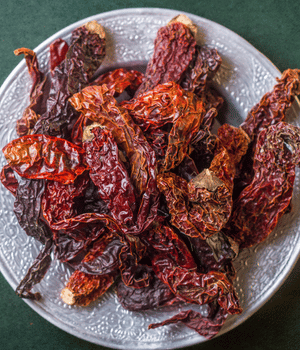
Kashmiri chili is a red chili pepper valued mainly for its vivid color and moderate heat. It comes from the Kashmir region and is widely used in Indian cooking. The dried peppers are ground into a bright red powder that adds mild peppery flavor and color to curries, marinades, tandoori dishes, and spice blends without making them extremely hot.
Kashmiri Saffron
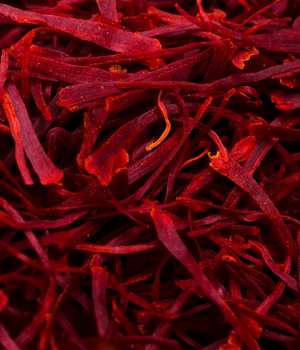
Kashmiri saffron is a highly valued spice traditionally associated with Kashmir, India, where saffron crocus flowers are cultivated. Its delicate threads provide a floral aroma, warm honey-like notes, and a golden color. Only a small amount is normally needed in cooking. It is used in rice dishes, desserts, milk-based sweets, beverages, and rich festive recipes.
Kebab Cheeni
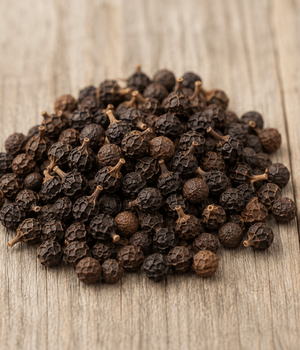
Kebab Cheeni is a fragrant spice also known as cubeb pepper or tailed pepper. It consists of small dried berries with a noticeable stalk and has a warm, peppery flavor with hints of camphor and spice. It appears in some South Asian spice blends and traditional recipes, where it adds a distinctive aroma to meat dishes, curries, and beverages.
Kencur
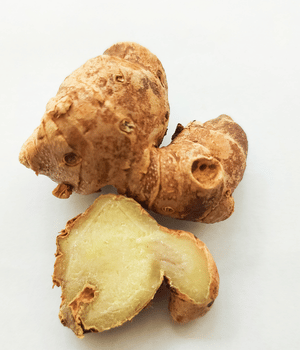
Kencur is an aromatic rhizome from the ginger family that is widely used in Indonesian and Southeast Asian cooking. It has a sharp, earthy, slightly peppery flavor with a strong herbal fragrance. Fresh kencur may be pounded into pastes, while dried forms can be ground as a spice. It is especially common in sambals, rice dishes, soups, and traditional seasonings.
Keluak
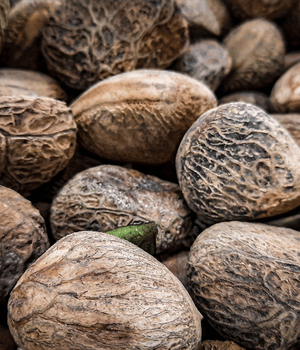
Keluak is the seed of the kepayang tree, traditionally used in Indonesian and Malaysian cuisine after careful processing. The raw seeds contain naturally occurring compounds that make them unsuitable for direct consumption, so they are fermented or otherwise prepared before cooking. Processed keluak has a deep, earthy, nutty flavor and is famously used in Indonesian dishes such as rawon.
Kokum
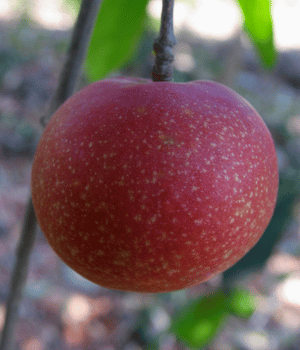
Kokum is the dried rind of the Garcinia indica fruit, commonly used as a souring spice in western and southern Indian cooking. It has a pleasantly tart, fruity flavor with mild sweetness and adds acidity without the sharpness of vinegar. Dried kokum is soaked or simmered in curries, lentils, seafood dishes, drinks, and regional preparations.
Korarima
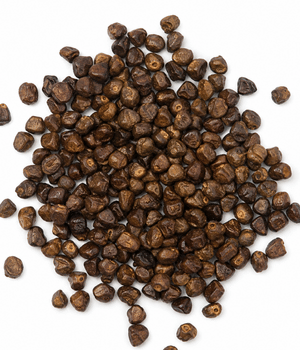
Korarima is an aromatic seed from an Ethiopian and Eritrean plant related to cardamom. It is sometimes called Ethiopian cardamom and has a warm, complex flavor with peppery, floral, smoky, and slightly citrusy notes. The seeds are used whole or ground in spice mixtures, stews, coffee preparations, and traditional dishes, particularly in East African cuisine.
Koseret
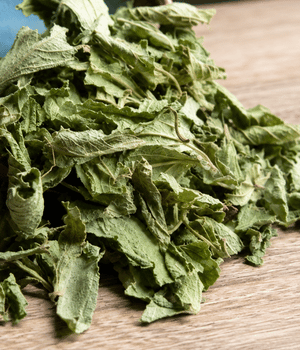
Koseret is an aromatic Ethiopian herb traditionally used as a seasoning, particularly in butter-based preparations. Its leaves have a strong herbal fragrance with earthy, slightly minty and citrus-like qualities. The herb is commonly dried and used to flavor spiced butter called niter kibbeh, which then adds its distinctive taste to stews, vegetables, grains, and other Ethiopian dishes.
Kudampuli
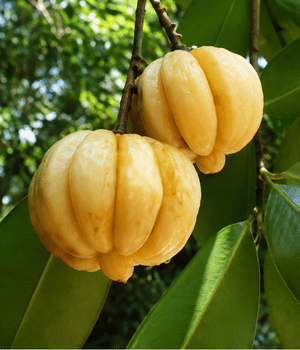
Kudampuli is the dried fruit rind of Garcinia gummi-gutta, a souring ingredient widely used in Kerala and other parts of South India. It has a dark appearance and a sharp, fruity sourness. The dried pieces are added directly to fish curries, seafood preparations, and other dishes during cooking. Its acidity gives traditional recipes a distinctive regional flavor.
Kawakawa Seeds
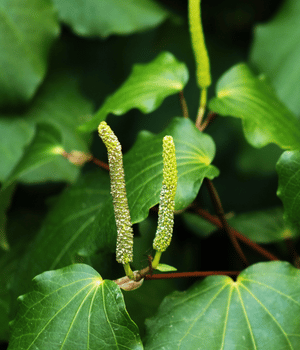
Kawakawa seeds come from the kawakawa plant, a native New Zealand shrub traditionally used by Māori communities. The tiny seeds have a sharp, peppery flavor and aromatic character, somewhat resembling a mild form of black pepper. They can be used as a seasoning in small amounts, while the leaves and other parts of the plant have also held traditional cultural uses.
Whole Spices Beginning with K
Whole Spices that begin with K often appear as seeds or peppercorns before grinding. Their shape and aroma can help identify them before they enter a recipe, especially when several dark seeds look similar.
- Kala Jeera: Kala jeera consists of small, dark, aromatic seeds used in South Asian cooking. It has an earthy, slightly smoky flavor that works well with rice, breads, vegetables, and savory dishes. The name can refer to different plants in regional usage, so botanical identification requires care. In many Indian contexts, it refers to Bunium persicum, also called black cumin.
- Kalonji: Kalonji is a small black seed with a sharp, slightly bitter flavor and onion-like notes. Cooks commonly sprinkle it over breads, pickles, vegetables, and savory dishes. Its botanical name is Nigella sativa, and it is also called black seed in English. The tiny seeds become more aromatic when lightly toasted or warmed in oil.
- Kampot Pepper: Kampot pepper is a Cambodian pepper grown in the Kampot region. It has a fragrant peppery taste with warm, fruity, and mildly floral notes. Both black and white forms are used in cooking, while red Kampot pepper comes from fully ripe pepper berries. It pairs well with meat, seafood, vegetables, and sauces.
Dried Chili Spices Starting with K
Spices starting with K also include distinctive dried or fresh chilies with different levels of heat. Their color, size, and pepper variety influence both the taste and appearance of finished dishes.
- Kashmiri Chili: Kashmiri chili is a red chili known for its vibrant color and relatively mild heat. Cooks often use it when they want to give dishes a deep red color without adding too much spiciness. It commonly appears in South Asian curries, marinades, spice blends, and rice dishes. Ground Kashmiri chili adds rich color along with a gentle, fruity pepper flavor.
- Kanthari Chili: Kanthari chili is a small, intensely hot chili commonly used in South Indian cuisine. Despite its small size, it delivers strong heat and a sharp peppery flavor. Cooks use fresh Kanthari chilies in chutneys, pickles, curries, and other spicy dishes. Regional names vary, and some sources use terms such as bird’s eye chili for related small, hot chili peppers.
Aromatic Root Spices Starts with K
Root spices beginning with K have a different character from dried seeds and chilies. They often bring earthy, citrus-like, peppery, or camphor-like aromas to Southeast Asian dishes.
Kencur: Kencur is an aromatic rhizome widely used in Indonesian cooking. It has an earthy, peppery flavor with slightly citrus-like notes and a strong fragrance that sets it apart from common ginger. Cooks use fresh kencur in sambals, spice pastes, soups, vegetable dishes, and traditional seasonings. Although it belongs to the ginger family, kencur has a distinct aroma and a different culinary role.
African Spices that Start with K
African Spices include ingredients connected with traditional East African and Ethiopian cooking. Their flavors often work especially well with grains, stews, legumes, and regional spice mixtures.
Korarima: Korarima is an Ethiopian spice made from the seeds of Aframomum corrorima. It has warm, aromatic, cardamom-like notes with a slightly peppery character. Ethiopian cooks use korarima in traditional seasoning blends, stews, sauces, and other dishes. They may grind the whole seeds before cooking, which helps release their fragrant flavor and distribute it throughout the dish.
Indian Spices Beginning with K
Several Spices starting with K have strong connections with Indian regional cooking. They include seeds, dried fruits, and chilies used for tempering, seasoning, coloring, and adding distinctive earthy flavors.
- Kachri: Kachri is a dried wild melon used as a souring and flavoring spice in parts of India. Ground kachri adds a tangy, earthy taste to meat dishes and spice mixtures. It is especially associated with Rajasthani cuisine, where cooks may use the dried fruit to help tenderize meat. Kachri powder also adds acidity and a distinctive rustic flavor.
- Kala Jeera: Kala jeera is used in Indian cooking for its earthy aroma and slightly smoky flavor. Cooks use the whole seeds in rice, breads, vegetable dishes, and other savory preparations. However, the name can cause confusion because regional markets use black cumin names differently. The seed’s appearance and local culinary context can help distinguish kala jeera from kalonji.
- Kalonji: Kalonji adds a sharp, slightly bitter flavor to Indian pickles, breads, vegetable dishes, and spice mixtures. Cooks commonly use its small black seeds whole rather than ground. The seeds have a distinctive aroma that becomes more noticeable when warmed in oil or lightly toasted before adding them to food.
Which Spices that Start with K add Heat?
Several Spices provide noticeable heat, although their intensity differs greatly. Chili variety, preparation method, and quantity all affect how strongly the spice feels in food. The strongest heat among the listed K spices generally comes from Kanthari chili. Kashmiri chili is much milder and is valued more for its red color and balanced chili flavor.
- Kanthari Chili: Kanthari chili delivers intense heat with a bright, sharp pepper flavor. Cooks commonly use fresh chilies in chutneys, pickles, curries, and other spicy regional preparations. Despite their small size, Kanthari chilies can add considerable heat to a dish. Their fresh, pungent flavor works especially well when combined with coconut, herbs, and other aromatic ingredients.
- Kashmiri Chili: Kashmiri chili gives dishes a rich red color along with moderate heat and a mild pepper flavor. Cooks often use the ground chili in marinades, curries, sauces, and spice mixtures. It works particularly well when a recipe needs vibrant color without excessive spiciness. The powder also blends easily with other seasonings to create a balanced, aromatic flavor.
Which Spices that Begin with K have Earthy Flavor?
Spices that starts with K often bring depth rather than sharp heat. Kachri, kala jeera, and kalonji each have different earthy qualities, ranging from tangy and rustic to smoky and slightly bitter.
- Kachri: Kachri has a rustic, earthy flavor with noticeable sourness. Its powder works especially well in meat preparations, marinades, chutneys, and regional spice blends. The tangy character can also balance rich foods and add depth to savory recipes.
- Kala Jeera: Kala jeera offers an earthy, warm, and slightly smoky taste. Whole seeds can add depth to rice dishes, breads, vegetables, and savory spice mixtures. Its aromatic flavor becomes more noticeable when cooks lightly toast or temper the seeds in oil.
- Kalonji: Kalonji has earthy notes alongside bitterness, nuttiness, and a mild onion-like character. It adds a distinct taste to pickles, breads, vegetables, and other savory foods. Cooks often use the small seeds whole, allowing their flavor and texture to remain noticeable.
How Spices that Start with K are Used in Cooking?
Spices that begin with K can be toasted, ground, fried in oil, added to marinades, or used whole. The best method depends on the spice and the dish being prepared.
- Whole seeds can season rice, breads, pickles, and vegetables.
- Ground spices can blend into marinades, curries, sauces, and meat dishes.
- Dried chilies can add heat, color, and pepper flavor.
- Aromatic roots can form part of Southeast Asian spice pastes.
- Regional seeds can deepen the flavor of stews and traditional seasoning blends.
FAQs About Spices that Start with K
Kalonji is one of the best-known K spices, especially in South Asian cooking. It is widely used in breads, pickles, vegetables, and curries.
Kanthari chili is among the hottest spices beginning with K. It is a small chili with intense heat and a sharp peppery flavor.
Kachri, kala jeera, and kalonji all have earthy qualities. Their flavors differ, with kachri adding sourness and kala jeera giving smoky notes.
Both kalonji and kala jeera can appear as small dark seeds. However, they come from different plants and have distinct shapes and flavors.
Takeaway
Spices That Start With K include seeds, chilies, roots, peppercorns, and regional seasonings from several culinary traditions. The most useful distinctions include Kalonji, Kala Jeera, Kashmiri Chili, Kencur, and Korarima. Their flavors range from earthy and smoky to hot, tangy, aromatic, and peppery. Understanding these differences makes it easier to identify K spices and understand how cooks use them.
Read more