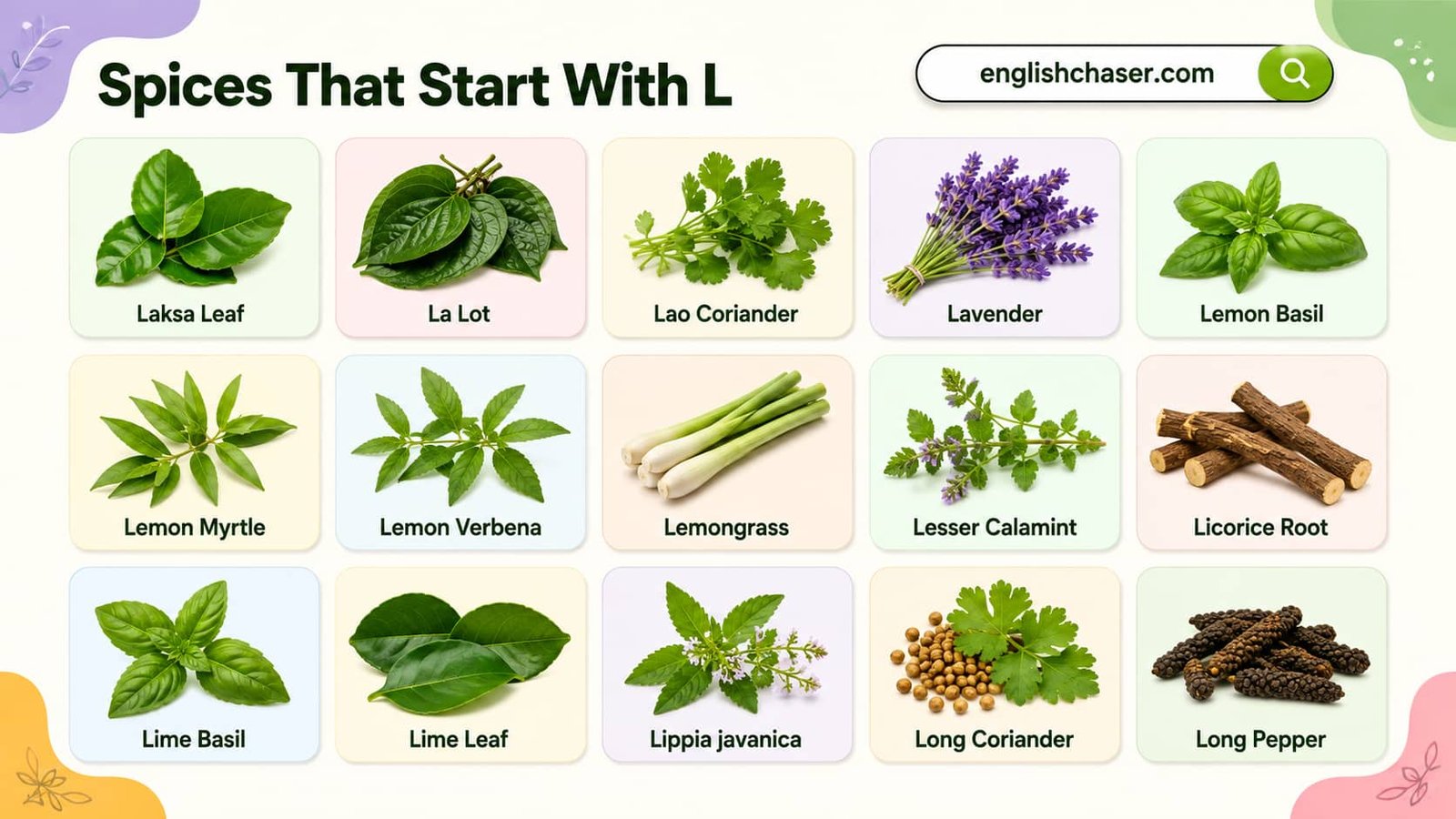

Spices that Start with L gives readers useful names for aromatic roots, leaves, flowers, and peppery seasonings. Some are used whole, while others appear dried or ground for their distinct flavor and aroma. The group includes botanical ingredients that can act as spices or seasonings in different culinary traditions.
Knowing the names of spices that start with L also makes food-related vocabulary easier to understand. Pictures and concise descriptions help learners connect each spice name with its recognizable form and culinary identity.
What Spices that Start With L
Spices beginning with L include several aromatic plant ingredients used as seasonings. Their forms range from dried leaves and flowers to roots and pepper fruits. Below is a focused overview of recognized L spices that fit the topic without repeating the same ingredient under different names.
List of Spices that Start with L
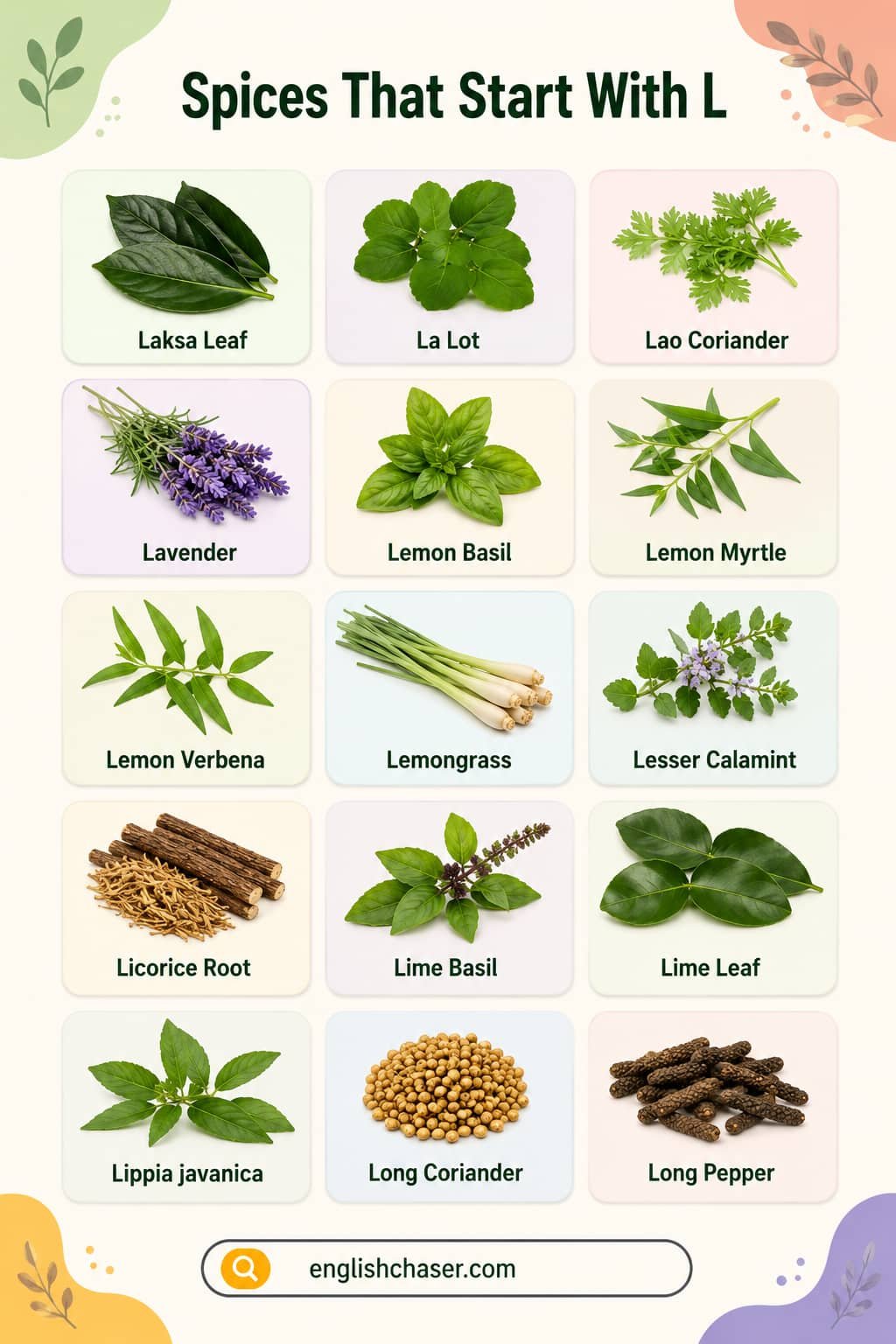
The main Spice that starting with L names include whole spices, dried botanicals, and pepper seasonings. Each has a distinct identity, flavor profile, or traditional culinary role. Below is the core list of spices that start with L covered in this article.
- Laksa Leaf
- La Lot
- Lao Coriander
- Lavender
- Lemon Basil
- Lemon Myrtle
- Lemon Verbena
- Lemongrass
- Lesser Calamint
- Licorice Root
- Lime Basil
- Lime Leaf
- Lippia javanica
- Long Coriander
- Long Pepper
- Lovage
- Lovage Seed
- Lovage Root
- Laurel Leaf
- Lemon Balm
- Lippia adoensis
- Lippia abyssinica
Spices that Start with L with Pictures and Explanation
Pictures make it easier to connect each spice name with its physical form. Long pepper has a narrow, textured shape, while licorice root appears woody and elongated. Lavender has small purple flowers, and lemon myrtle and lovage are commonly recognized through their dried leafy forms. The pictures paired with these names can help learners understand the differences between L spices.
Long Pepper
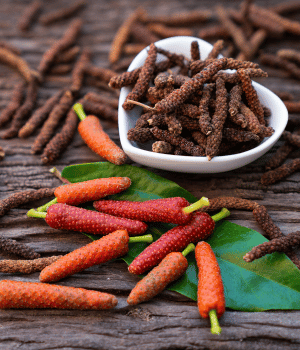
Long pepper is a warm, aromatic spice that comes from the dried fruit of Piper longum. It has a sharper and earthier taste than black pepper, along with mild sweetness and noticeable heat. Traditionally, cooks in South and Southeast Asia add it to curries, pickles, meat dishes, and spice blends. You can grind the whole spikes or use them directly to build deeper flavor.
Licorice Root
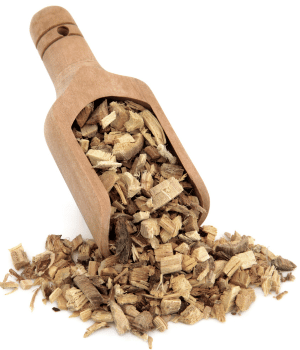
Licorice root comes from Glycyrrhiza glabra, a plant known for its naturally sweet and distinctive flavor. The root tastes much sweeter than sugar and carries earthy, herbal, and slightly anise-like notes. People commonly use it to flavor teas, candies, and other foods. In addition, traditional herbal practices have valued licorice root for centuries. However, concentrated amounts may not suit everyone.
Lovage
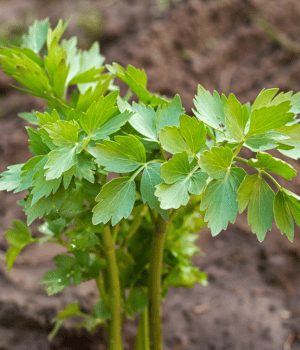
Lovage is an aromatic herb from Levisticum officinale that tastes and smells much like celery with hints of parsley. Cooks add its fresh leaves to soups, stews, sauces, salads, and vegetable dishes for a strong savory note. The plant also produces edible stems, roots, and seeds. Because lovage has a bold flavor, a small amount can add considerable depth to a recipe.
Lovage Seed
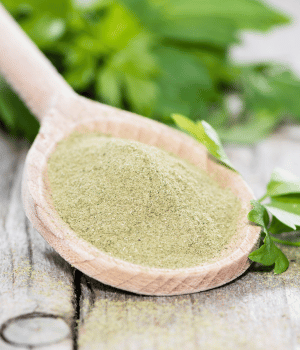
Lovage seed comes from the aromatic Levisticum officinale plant and delivers a concentrated celery-like flavor. It also has warm, earthy, slightly bitter notes that work well in savory foods. Cooks can crush the seeds before adding them to soups, breads, sauces, pickles, and vegetable dishes. Because the flavor develops quickly, you usually need only a small quantity to season a recipe.
Lovage Root
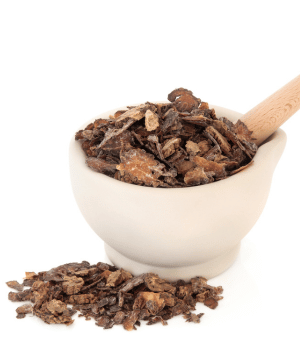
Lovage root forms the edible underground portion of Levisticum officinale, an aromatic herb related to celery. It delivers a strong celery-like taste with earthy and mildly spicy notes. Cooks can chop or cook the root in soups, stews, and vegetable dishes to create a deeper savory flavor. Although people use the leaves more often, European cooking traditions have also valued the flavorful root.
Lavender
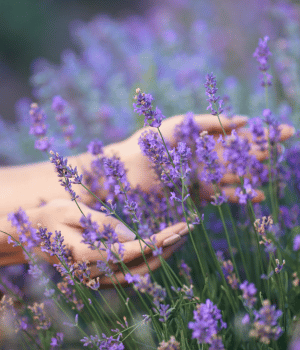
Lavender is an aromatic herb from the Lavandula genus, and its purple flowers produce a strong floral fragrance. Culinary varieties offer a sweet, floral taste with subtle minty notes. Cooks use small amounts in baked goods, desserts, teas, syrups, and herb blends. However, too much lavender can overpower other ingredients. For that reason, cooks often pair it with lemon, honey, berries, or mild herbs.
Lemongrass
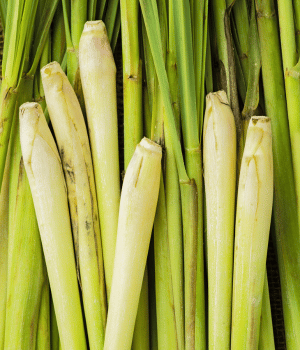
Lemongrass is a tropical grass with long leaves and a flavorful lower stalk. It gives food a bright lemon aroma along with gentle ginger-like and herbal notes. Cooks across Thailand, Vietnam, Malaysia, Indonesia, and nearby regions add it to curries, soups, marinades, broths, and teas. To release more flavor, they often bruise, slice, or pound the stalk before cooking. The tough outer layers usually get removed.
Lemon Myrtle
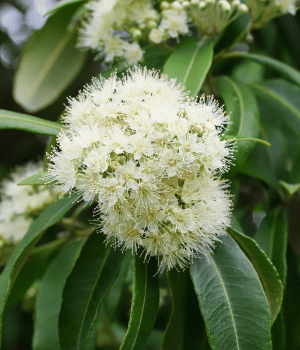
Lemon myrtle is an Australian aromatic plant called Backhousia citriodora, and its leaves produce an intense lemon fragrance. The leaves bring a fresh, citrusy, slightly sweet taste to food and drinks. Cooks can use dried or ground leaves in teas, desserts, sauces, seafood, and baked dishes. Because lemon myrtle has a powerful citrus aroma, a small amount can create a noticeable flavor without adding lemon juice.
Lemon Verbena
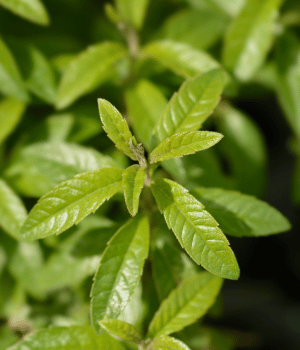
Lemon verbena is a fragrant herb from Aloysia citrodora, a plant with narrow leaves that release a strong lemon scent. Its clean citrus flavor includes gentle herbal notes and a refreshing finish. Cooks use fresh or dried leaves in teas, desserts, fruit dishes, syrups, sauces, and infused drinks. Unlike lemon juice, lemon verbena adds bright citrus aroma without bringing strong acidity to the recipe.
Lemon Basil
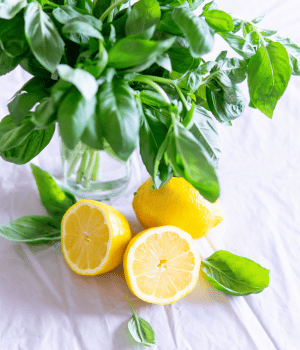
Lemon basil is a basil variety that combines the familiar sweet flavor of basil with a fresh lemon aroma. Its leaves work well in salads, soups, sauces, curries, and Southeast Asian dishes. Cooks often add the fresh leaves near the end of cooking because high heat can reduce their delicate fragrance. Lemon basil also pairs naturally with seafood, vegetables, rice dishes, and light sauces.
Lime Basil
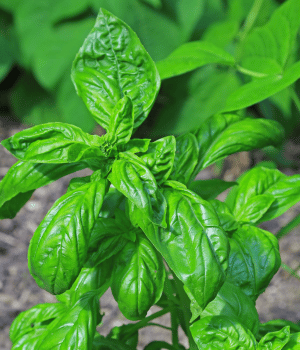
Lime basil is an aromatic basil variety that adds a noticeable lime-like fragrance to dishes. Its leaves combine the sweet, green character of basil with bright citrus notes. Cooks use them in salads, curries, soups, sauces, seafood recipes, and fresh garnishes. Because lime basil has a delicate aroma, gentle cooking helps preserve its character. It also pairs well with chili, coconut, vegetables, and other Southeast Asian ingredients.
Lime Leaf
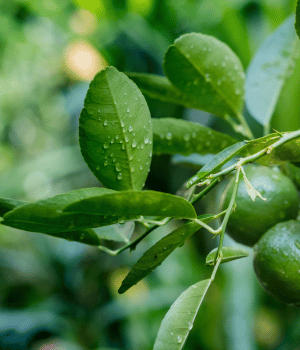
Lime leaf usually refers to the fragrant leaves of the makrut lime tree, Citrus hystrix. These leaves deliver an intense citrus aroma with floral, bitter, and slightly spicy notes. Southeast Asian cooks add them to curries, soups, stir-fries, sauces, and noodle dishes. They often tear or bruise the leaves first, which helps release their aromatic oils. Most recipes remove the whole leaves before serving.
Laksa Leaf
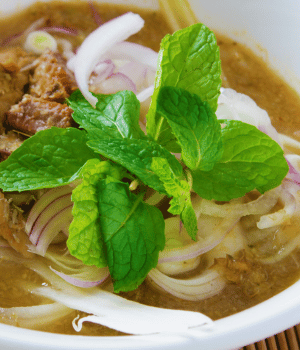
Laksa leaf is a common name for Vietnamese coriander, Persicaria odorata, an herb closely linked with Southeast Asian cuisine. Its leaves offer a fresh, peppery flavor with citrusy and herbal notes. Cooks add them to laksa, noodle soups, salads, sauces, and fresh garnishes. In Malaysia and Singapore, the herb plays an important role in creating the distinctive aroma of many spicy noodle dishes.
La Lot
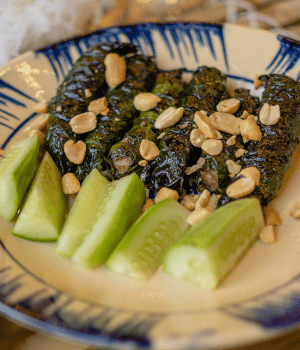
La lot, also written lá lốt, refers to the aromatic leaves of Piper sarmentosum, a plant widely used in Vietnamese cuisine. The leaves provide earthy, peppery flavor with a gentle mint-like freshness. Vietnamese cooks often wrap beef in the leaves before grilling, allowing the heat to release their rich aroma. You can also slice, cook, or grill the leaves to add their distinctive character to savory dishes.
Lao Coriander
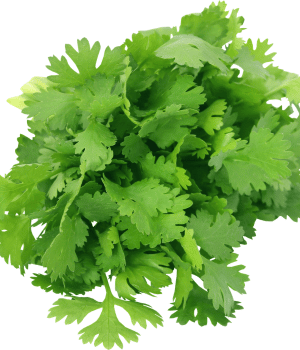
Lao coriander, also called long coriander, usually refers to Eryngium foetidum, an herb with long, narrow leaves and a powerful aroma. Its flavor resembles cilantro but tastes stronger, earthier, and slightly more citrusy. Cooks use the fresh leaves in Caribbean, Latin American, and Southeast Asian recipes. They add it to soups, stews, salsas, sauces, and meat dishes when they want a bold herbal flavor.
Laurel Leaf
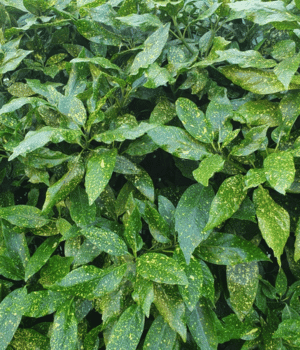
Laurel leaf comes from the bay laurel tree, Laurus nobilis, an evergreen plant native to the Mediterranean region. Its leaves offer woody, herbal flavor with subtle bitterness and hints of mint and spice. Cooks add dried leaves to soups, stews, sauces, beans, rice, and braised meats. Because whole leaves remain tough after cooking, cooks usually remove them before serving the finished dish.
Lesser Calamint
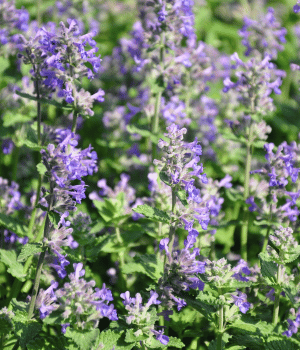
Lesser calamint is an aromatic herb commonly identified as Clinopodium nepeta, a Mediterranean plant related to mint. Its small leaves provide a fresh minty flavor with earthy and slightly peppery notes. Mediterranean cooks can use the herb fresh or dried in soups, beans, vegetables, sauces, and other savory recipes. Its gentle mint character works particularly well with traditional Italian and southern European dishes.
Lippia javanica
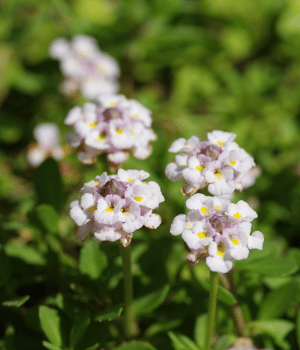
Lippia javanica is an aromatic shrub native to parts of southern and eastern Africa, where people also call it lemon bush. Its leaves release a strong lemon-like fragrance when crushed and provide herbal, slightly bitter notes. People have traditionally used the leaves to prepare teas and add flavor to certain preparations. Although it resembles other lemon-scented herbs, Lippia javanica belongs to a different botanical genus.
Whole Spices that Begin with L
Whole Spices that Start with L are usually encountered in their natural dried form rather than as fine powders. Their shapes can make them easier to distinguish when comparing different seasonings. Below is the whole-spice section for ingredients beginning with L.
- Long Pepper
- Licorice Root
Dried Spices that Start with L
Spices that Begin with L are commonly encountered as dried leaves, flowers, or plant material. Drying concentrates their aroma and makes them easier to store and use as seasonings. Below are the principal dried botanical spices beginning with L.
- Lavender
- Lemon Myrtle
- Lovage
Pepper Spices that Start with L
Long pepper is the main established pepper spice beginning with L. It belongs to the same broad Piper genus as black pepper but has a different fruit shape and flavor profile. Its dried fruit forms elongated spikes rather than individual round peppercorns.
- Long Pepper
Herbal Spices Beginning with L
Some L ingredients are leafy or flowering botanicals that function as culinary seasonings. Lavender and lovage are the strongest entries in this category, although their botanical parts and flavors differ considerably. Below is the focused herbal group.
- Lavender
- Lovage
Spices that Start with L by Flavor
A short reference table makes the main names easier to review without repeating the full descriptions. The table below summarizes each recognized entry by its basic form and characteristic flavor.
| Spice | Main Flavor Character |
|---|---|
| Long Pepper | Warm, pungent, earthy |
| Licorice Root | Sweet, aromatic |
| Lavender | Floral, slightly sweet |
| Lemon Myrtle | Strong lemon-like citrus |
| Lovage | Celery-like, herbal |
FAQs About Spices that Start With L
Spices start with L include Long Pepper, Licorice Root, Lavender, Lemon Myrtle, Lovage, and Lemongrass.
Long Pepper has an elongated fruit and a warmer, sweeter flavor, while black pepper has small round peppercorns and sharper heat.
Dried spices and seasonings beginning with L include Long Pepper, Licorice Root, Lavender, Lemon Myrtle, and Lovage.
Five main entries are Long Pepper, Licorice Root, Lavender, Lemon Myrtle, and Lovage. Each has a different plant part and flavor profile.
Takeaway
The main spices that start with L include Long Pepper, Licorice Root, Lavender, Lemon Myrtle, and Lovage. Their forms range from pepper spikes and roots to dried flowers and aromatic leaves. Learning their names alongside their basic characteristics makes the differences between these L seasonings easier to understand.
Read more