
From crisp daikon and bitter dandelion greens to sweet delicata squash and nutrient-rich drumstick pods, there is more variety among vegetables that start with D than you might expect. The list includes roots, leafy greens, winter squash, edible pods, peppers, sea vegetables, and several less-familiar crops.
If you are looking for vegetables that begin with D for a school project, vocabulary activity, gardening idea, or simply to discover new foods, this guide brings the names together in one place. You will find both familiar choices and uncommon varieties, along with simple descriptions to make each vegetable easy to understand.
What Are Vegetables That Start With D?
Vegetables that start with D are edible plant foods whose commonly used names begin with the letter D. They come from different plant families and can include roots, leaves, pods, flowers, stems, squash, and other edible plant parts.
Some vegetable names beginning with D are well known around the world, while others are regional or specialty crops. Their uses also vary widely, from salads and pickles to curries, soups, stir-fries, and roasted dishes.
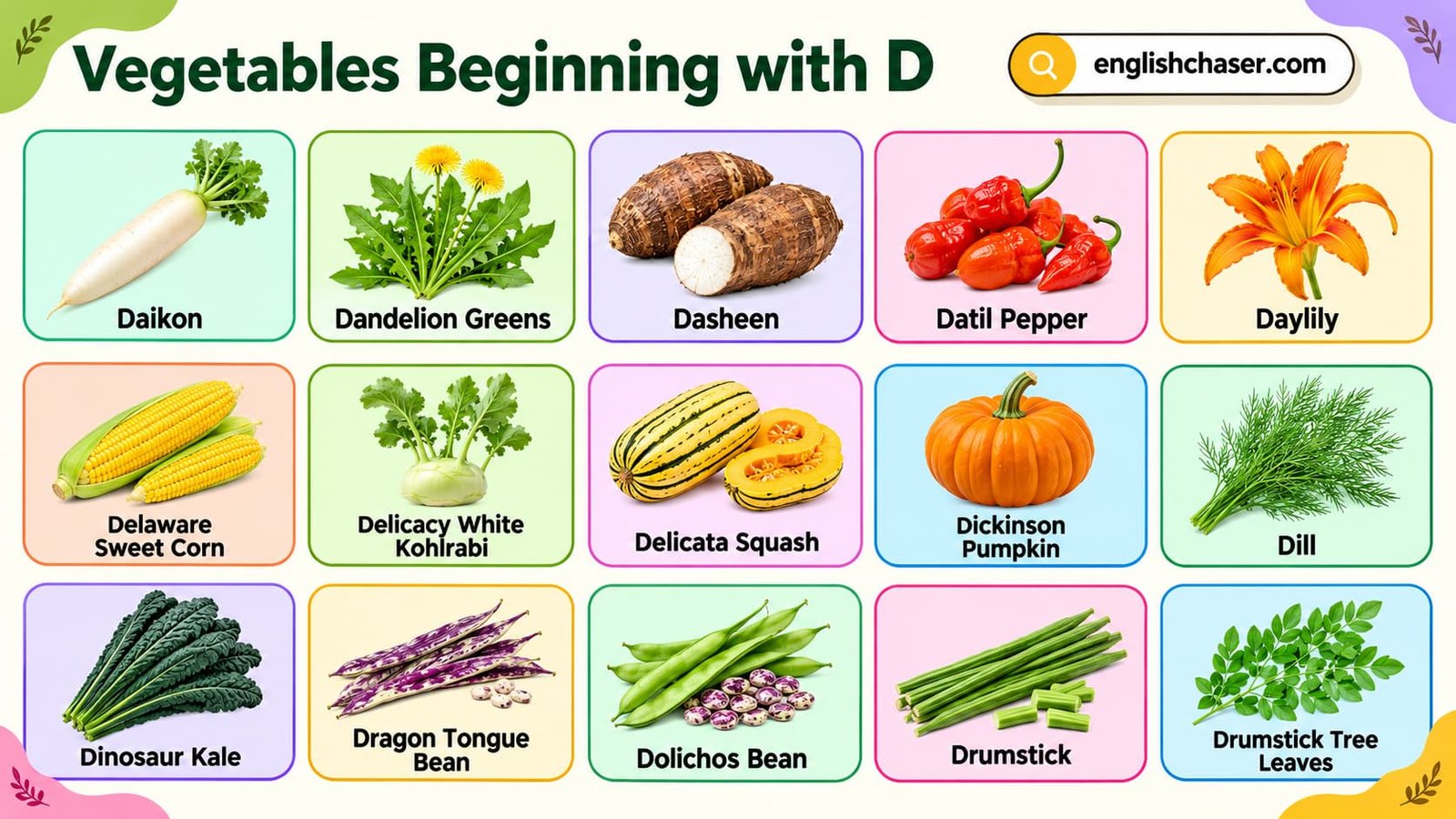
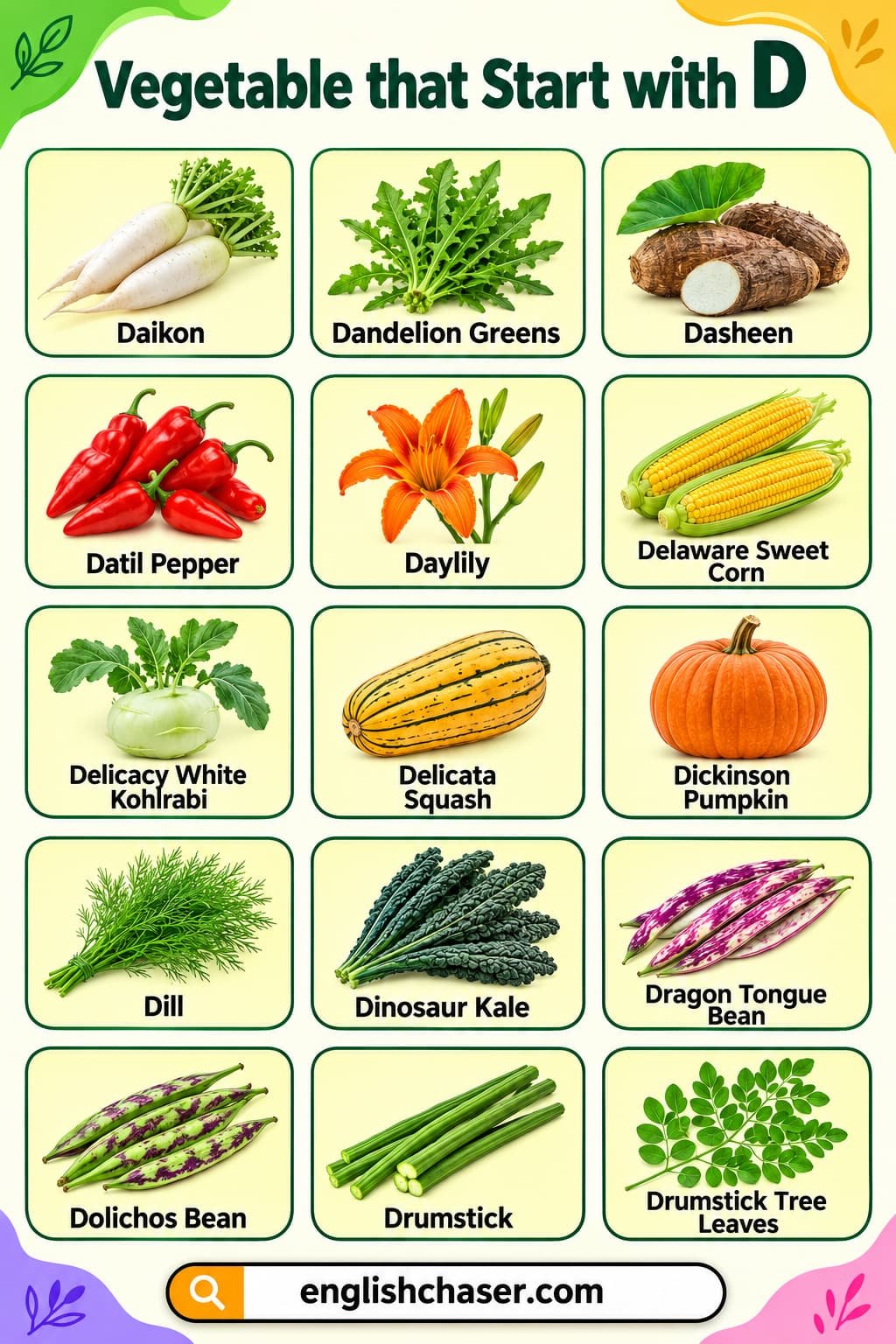
Names of Vegetables That Start With D with Pictures
List of vegetables that start with D, covering familiar vegetables as well as specialty and less-common edible plants.
Daikon
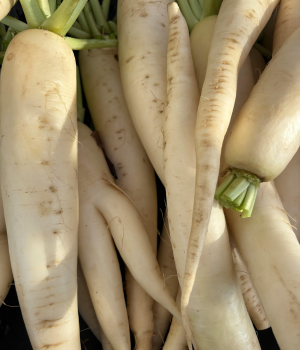
Daikon is a long, white root vegetable that belongs to the radish family. It has crisp flesh and a mild, slightly peppery flavor that becomes softer and sweeter when cooked. It is especially popular in Japanese, Korean, Chinese, and other Asian cuisines, where it is eaten raw, pickled, simmered, or added to soups and stews.
Dandelion Greens
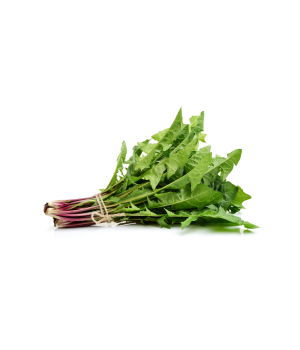
Dandelion greens are the edible leaves of the dandelion plant and are known for their distinctly bitter flavor. Young leaves can be used in salads, while mature greens are often cooked to soften their bitterness. They are used in several traditional cuisines, including Mediterranean and Asian cooking.
Dasheen
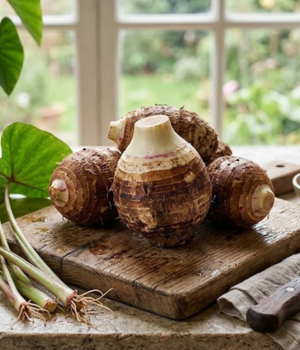
Dasheen is a type of taro grown for its starchy underground corm. It is commonly cooked before eating and can be boiled, steamed, mashed, or incorporated into savory dishes. Dasheen is particularly important in tropical and subtropical food traditions.
Datil Pepper
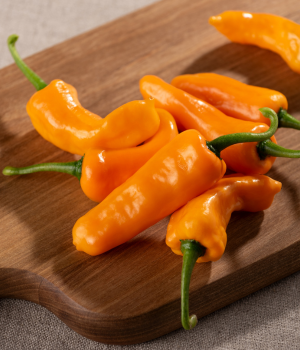
Datil pepper is a small, hot pepper variety with a distinctive fruity flavor and considerable heat. It is especially associated with regional cooking in Florida, where it is used in sauces, marinades, and other spicy preparations. Because it is a pepper, it is botanically a fruit but is commonly used as a culinary vegetable.
Daylily
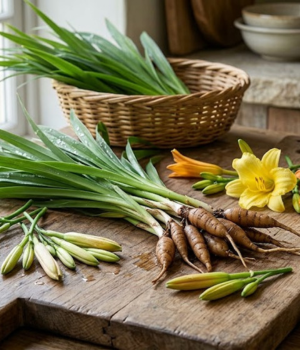
Daylily is an ornamental plant whose young shoots, flower buds, and flowers have been used as food in some culinary traditions. The buds and flowers are particularly associated with Chinese cooking, where they may be added to soups and stir-fries. Only properly identified edible species and prepared plant parts should be consumed.
Delaware Sweet Corn
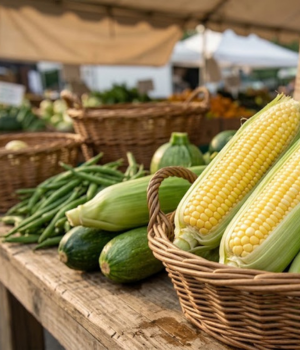
Delaware sweet corn refers to a named sweet-corn variety associated with the Delaware region. Sweet corn is harvested while the kernels are tender and is commonly boiled, steamed, grilled, or added to salads and other dishes. Fresh sweet corn is generally treated as a vegetable in culinary use.
Delicacy White Kohlrabi
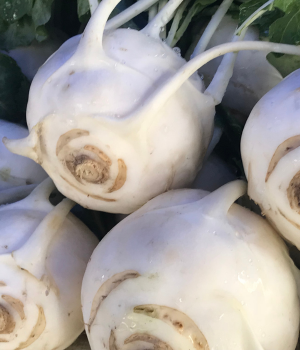
Delicacy White is a white-skinned variety of kohlrabi, a brassica grown for its swollen edible stem. It has a crisp texture and mild flavor and can be eaten raw or cooked. Like other kohlrabi varieties, its edible stem can be sliced into salads, roasted, sautéed, or added to soups.
Delicata Squash
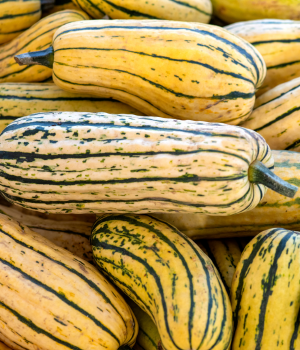
Delicata squash is a small winter squash recognized by its elongated shape and striped cream-colored skin. Its flesh has a naturally sweet, mildly nutty flavor, and its thin skin is edible when cooked. Roasting is one of the easiest ways to enjoy this winter squash.
Dickinson Pumpkin
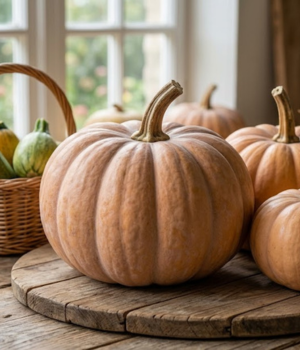
Dickinson pumpkin is a pumpkin variety known for its elongated shape and dense orange flesh. It is especially valued for cooking and baking because of its smooth texture and rich flavor. It is often associated with pumpkin-based dishes rather than being used primarily as a decorative pumpkin.
Dill
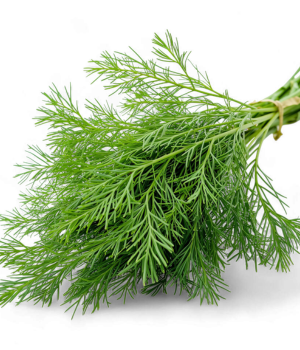
Dill is a fragrant herb with soft, feathery leaves and aromatic seeds. It is widely used in pickles, salads, sauces, soups, and vegetable dishes, particularly in European, Mediterranean, and other cuisines.
Dinosaur Kale
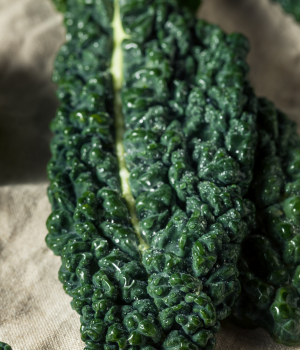
Dinosaur kale, also called lacinato kale, is a dark green leafy vegetable with long, narrow leaves and a slightly textured surface. It has a firm texture and earthy flavor that works well in soups, sautés, salads, and other cooked dishes.
Dragon Tongue Bean
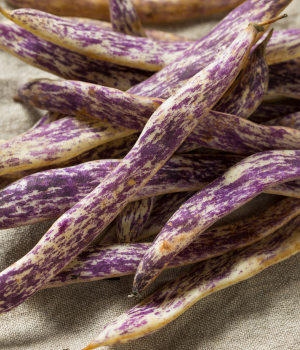
Dragon Tongue bean is a distinctive bean variety recognized by its elongated pods with purple or reddish markings over a pale background. The young pods can be cooked like other fresh beans, including steaming, sautéing, and roasting.
Dolichos Bean
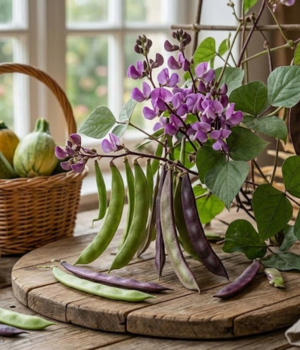
Dolichos bean is a name used for beans from the Lablab group, also known as hyacinth beans in many regions. The young pods can be cooked as a vegetable, while mature seeds are used differently depending on the variety and culinary tradition.
Drumstick
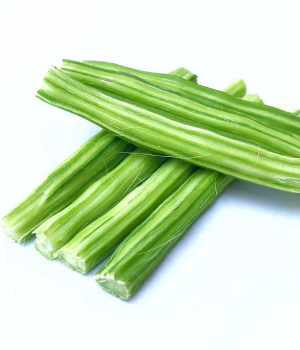
Drumstick is the common culinary name for the long, slender pods produced by the moringa tree. The pods have a firm outer covering and are commonly cut into pieces and cooked in curries, soups, and stews. Their use is especially common in South Asian cuisines, including Indian cooking.
Drumstick Tree Leaves
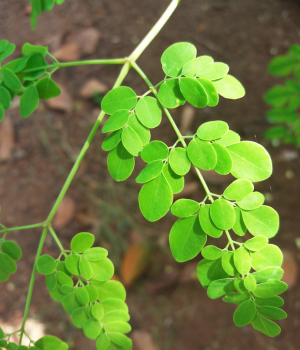
Drumstick tree leaves are the edible leaves of the moringa tree. They are smaller and softer than the pods and can be cooked with vegetables, added to soups, stews, or incorporated into traditional dishes. Moringa leaves are widely used in parts of South Asia and tropical regions.
Dulse
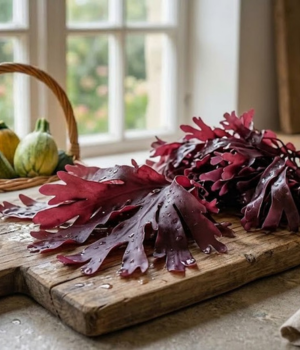
Dulse is an edible red seaweed that grows in marine environments. It has a savory, slightly salty flavor and can be eaten dried, rehydrated, or incorporated into soups and other dishes. Since it comes from the sea rather than a garden, it is more accurately described as a sea vegetable or edible seaweed.
Dabberlocks
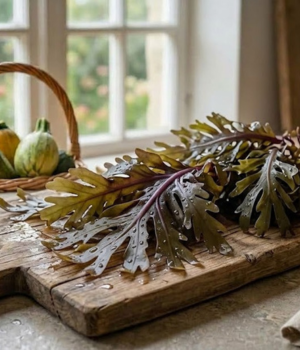
Dabberlocks is an edible brown seaweed found in cool coastal waters, particularly around parts of the North Atlantic. It is sometimes used as a sea vegetable and can be eaten fresh or prepared in cooked dishes. Like dulse, it belongs to the broader category of edible sea vegetables rather than conventional land-grown vegetables.
Popular D Vegetables You May Already Know
Need a quick D vegetables list? Here are some common and less-familiar vegetables that start with the letter D:
- Daikon — A crisp white radish commonly used raw, pickled, or cooked.
- Dandelion Greens — Bitter edible leaves often used in salads and cooked greens.
- Delicata Squash — A sweet winter squash with thin edible skin.
- Dill — An aromatic herb commonly used with pickles, salads, and savory dishes.
- Drumstick Pods — Long moringa pods used in soups, curries, and stews.
- Dasheen — A starchy taro-type root used in tropical cuisines.
- Dinosaur Kale — A dark leafy green also known as lacinato kale.
- Dragon Tongue Bean — A colorful bean variety with distinctive striped pods.
These names provide a useful starting point if you are teaching children vegetable names that start with D or simply looking for familiar examples.
Leafy Greens and Edible Leaves Beginning With D
Several leafy vegetables that start with D are eaten for their leaves rather than their roots or fruits:
- Dandelion Greens — Bitter leaves that can be eaten raw when young or cooked when mature.
- Dinosaur Kale — A dark green kale variety with long, textured leaves.
- Dill — A feathery culinary herb used fresh or dried.
- Drumstick Tree Leaves — Moringa leaves used in soups, curries, and other cooked dishes.
- Daylily Shoots and Greens — Young edible portions used in certain culinary traditions.
- Dulse — Although not a land-grown leafy vegetable, this edible seaweed is sometimes grouped with greens and sea vegetables.
Leafy greens can be eaten in many ways, including salads, sautés, soups, and stir-fries. The exact preparation depends on the plant and the edible part being used.
Root Vegetables Starting With D
The most recognizable root vegetables starting with D include:
- Daikon — A long white radish with crisp, mildly peppery flesh.
- Dasheen — A starchy taro-type underground crop that is normally cooked before eating.
- Dandelion Root — The underground part of the dandelion plant, used in some culinary and beverage traditions.
- Desert Yam — A yam-like edible underground crop associated with arid-region food traditions.
Daikon is the clearest example for everyday readers because it is widely available and has many culinary uses. Dasheen and other less-common roots are more regional and may be unfamiliar to people outside tropical or traditional food cultures.
D Vegetable Names for Kids
Learning vegetable names starting with D can be easier when children begin with familiar and visually distinctive examples.
- Daikon — A long white radish.
- Dandelion Greens — Green leaves with a slightly bitter taste.
- Delicata Squash — A striped winter squash.
- Dill — A soft, feathery herb.
- Dinosaur Kale — A dark green leafy vegetable.
- Dasheen — A starchy root crop.
- Drumstick — A long green moringa pod.
- Dragon Tongue Bean — A bean with colorful striped pods.
- Daylily — A flower plant with edible parts in some food traditions.
- Dulse — An edible seaweed.
For a simple classroom or vocabulary activity, daikon, dill, delicata squash, dandelion greens, and drumstick are good names to introduce first because they are distinctive and easy to associate with pictures.
Frequently Asked Questions About Vegetables Beginning With D
Daikon is the standout choice. This long, crisp white radish has a mild, slightly peppery taste and is commonly used in salads, soups, pickles, and stir-fries.
Yes. Drumstick pods and dragon tongue beans are two notable examples. Drumstick pods come from the moringa tree, while dragon tongue beans are harvested for their tender edible pods.
Several D names refer to specific cultivars rather than separate vegetable species. Delicacy White kohlrabi, delicata squash, Dickinson pumpkin, and Delaware sweet corn are examples of named varieties or types of familiar crops.
Yes. Dulse and dabberlocks are edible seaweeds that can appear in broader D vegetable lists. They are marine plants rather than traditional land-grown vegetables and are used in different ways depending on the cuisine.
Dinosaur kale, dragon tongue bean, drumstick, and delicata squash are particularly memorable names. They can be useful choices for food vocabulary, classroom activities, or a vegetable-name list.
Conclusion
The letter D may not have as many familiar vegetable names as some other letters, but its list still offers plenty of variety. Daikon, dandelion greens, delicata squash, dinosaur kale, drumstick pods, dasheen, dragon tongue beans, dulse, and other D vegetables represent roots, leaves, squash, pods, and edible marine plants from different parts of the world.
Whether you are building a D vegetables list for kids, exploring new ingredients, or looking for vegetable names that start with D, these examples provide a useful starting point. Some are everyday foods, while others offer an opportunity to discover regional crops and less-common edible plants.
Read more
- Vegetables that Start with A
- Vegetables that Start with B
- Vegetables that Start with C
- Vegetables that Start with E
- Vegetables that Start with F