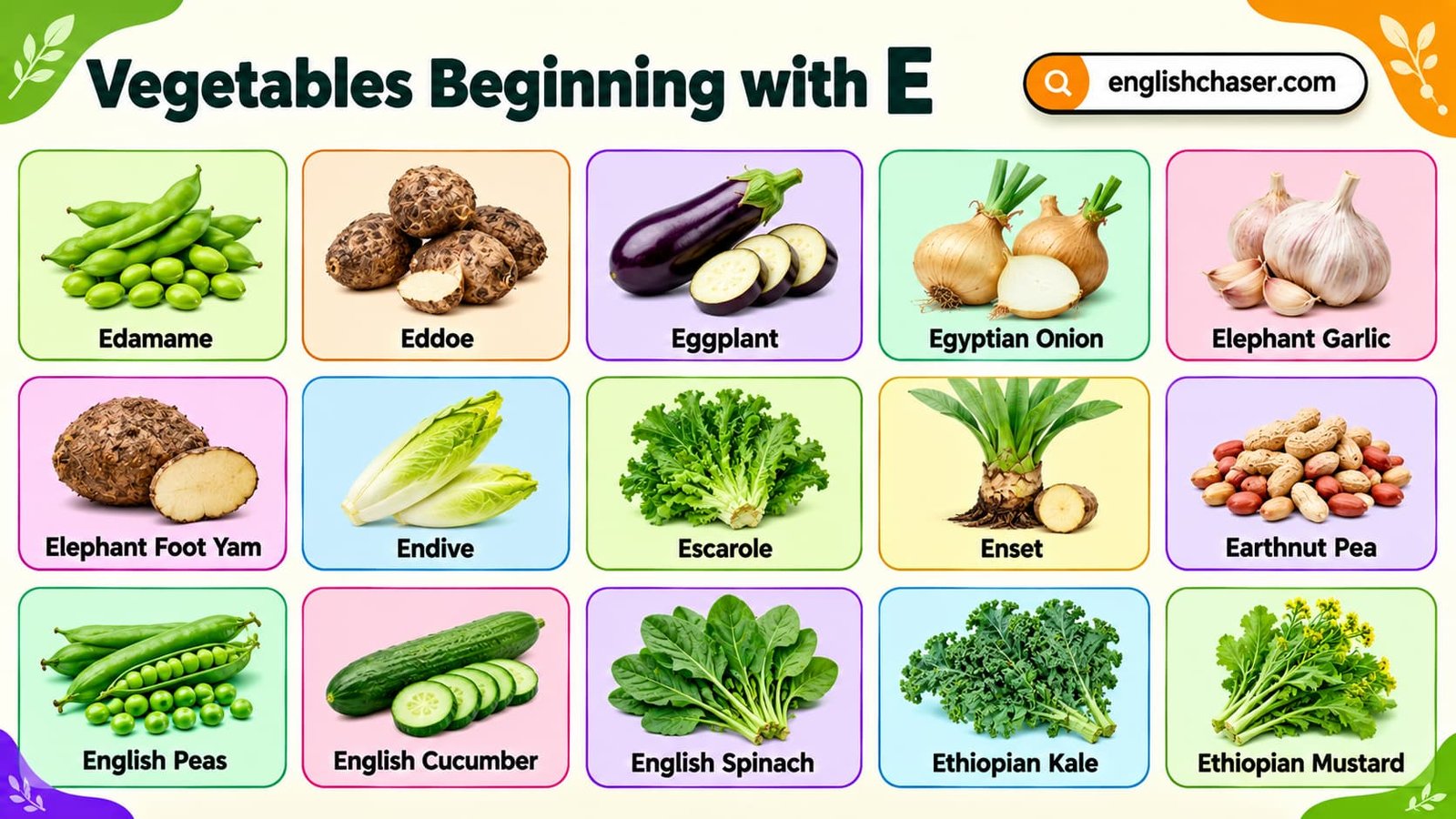

Finding vegetables that start with E can be surprisingly challenging because there are fewer familiar vegetables under this letter than under many others. Still, the list includes well-known choices such as eggplant and edamame, along with leafy greens, roots, tubers, onions, and several less-common edible plants.
This guide brings together common and unusual vegetable names beginning with E, with simple descriptions that are easy for adults and kids to understand. You will also find vegetables grouped by type, cooking ideas, alternate names, and useful facts about some of the less familiar options.
What Counts as a Vegetable Starting With E?
In everyday cooking, a vegetable generally means an edible part of a plant that is prepared and eaten as food. This can include leaves, roots, stems, bulbs, tubers, pods, seeds, and some plant parts that are botanically classified differently. For example, eggplant is botanically a fruit but is commonly used as a vegetable in savory cooking.
Because alphabetical food lists can use slightly different definitions, some entries below are culinary vegetables or vegetable crops, while a few are commonly grouped with vegetables because of how they are prepared and eaten. This approach keeps the list useful without treating every edible plant as a conventional vegetable.
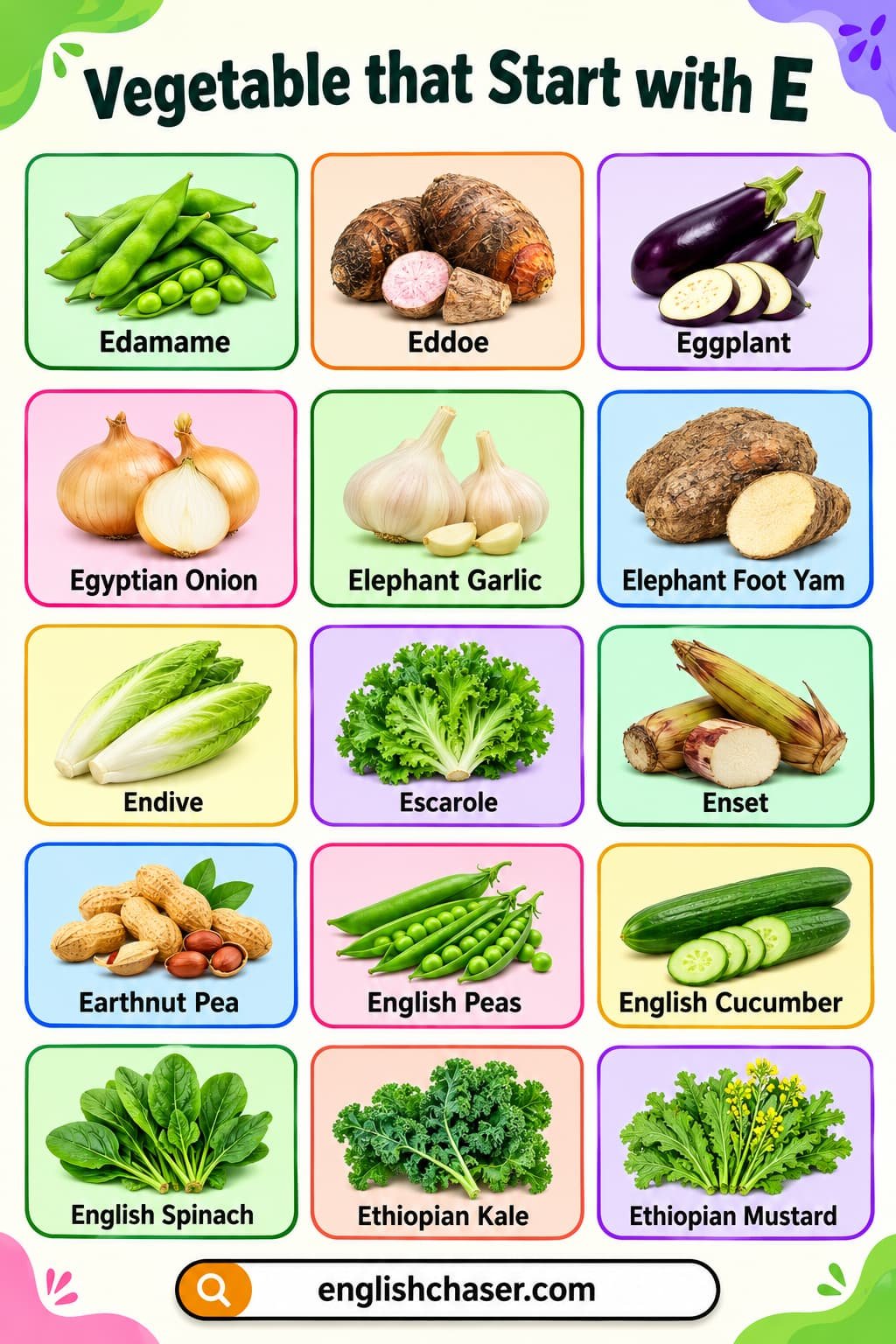
Vegetables That Start With E with their Pictures and Properties
Edamame
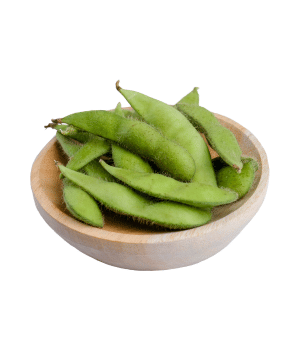
Edamame is the name commonly given to young soybeans harvested before they fully mature. The bright green beans are usually cooked inside their pods and served as a snack or side dish. They can also be added to salads, rice bowls, noodles, and other meals.
Eddoe
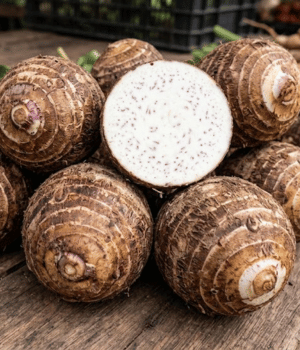
Eddoe is a small, starchy corm belonging to the taro family. It has a rough brown exterior and a firm interior that becomes softer after cooking. It is commonly prepared by boiling, steaming, roasting, or adding it to hearty savory recipes.
Eggplant
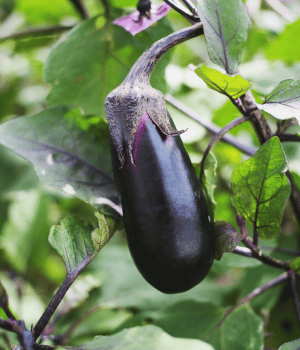
Eggplant is a popular food with smooth skin and soft, absorbent flesh. Varieties can be purple, white, green, striped, or nearly black in color. It is commonly grilled, fried, baked, roasted, or cooked in curries and vegetable dishes.
Egyptian Onion
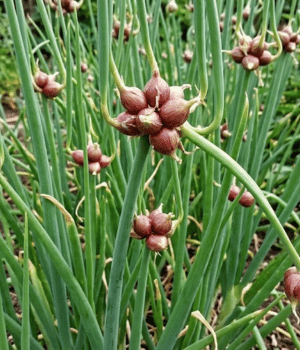
Egyptian onion is an unusual allium known for producing several edible parts. Its green shoots can be harvested for cooking, while the plant may also develop underground bulbs and small bulbils above the ground. It is valued for its distinctive onion flavor and interesting growth habit.
Elephant Garlic
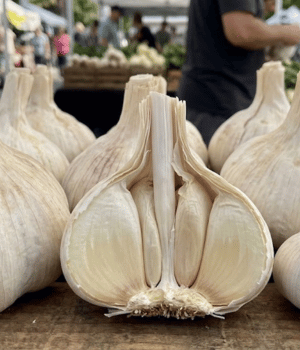
Elephant garlic develops exceptionally large bulbs made up of a small number of oversized cloves. Its taste is generally softer and less sharp than that of regular garlic. The cloves work well in roasted dishes, sauces, vegetables, marinades, and savory recipes.
Elephant Foot Yam
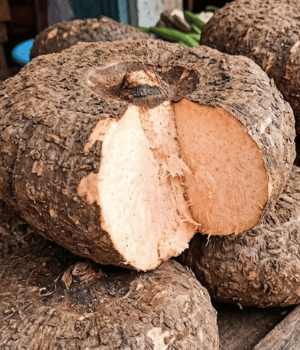
Elephant foot yam is a tropical food crop grown mainly for its large underground corm. The interior is dense and starchy, making it suitable for recipes that call for a filling root or tuber. It is commonly cooked before serving and can be prepared in several ways.
Endive
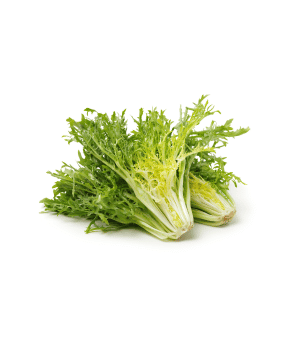
Endive is a member of the chicory family recognized for its crisp leaves and slightly bitter taste. Depending on the variety, it may form a compact head or produce finely divided leaves. It can add texture and a sharp, refreshing flavor to salads and cooked dishes.
Escarole
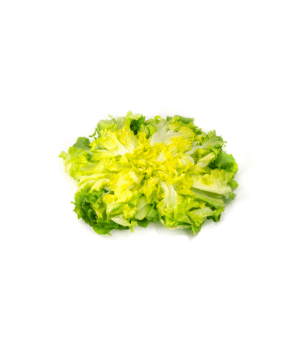
Escarole is a broad-leaved relative of endive with green leaves and a pleasantly bitter taste. The outer leaves are often stronger in flavor, while the inner leaves tend to be more tender. It can be served fresh or incorporated into soups, pasta, beans, and other cooked meals.
Enset
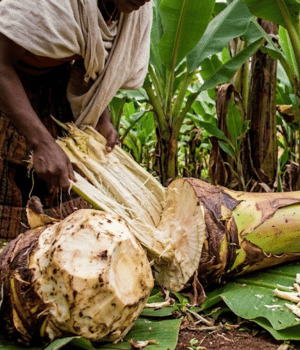
Enset is a large plant closely related to the banana plant and is especially important as a traditional food crop in Ethiopia. It does not depend on its fruit as bananas do; instead, useful food products are made from its pseudostem and underground corm. These parts can be processed into traditional foods such as kocho and bulla.
Earthnut Pea
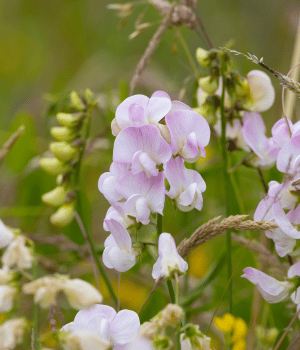
Earthnut pea is a lesser-known edible plant that develops nutritious underground tubers. The tubers are valued for their distinctive, nut-like taste and can be prepared using basic cooking methods. It is rarely encountered in regular supermarkets, making it an unusual entry on an E vegetable list.
English Peas
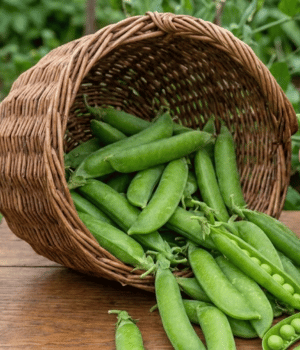
English peas are the round green peas commonly removed from their pods before eating. They have a naturally sweet flavor and tender texture when harvested at the right stage. These peas are often added to soups, rice dishes, pasta, casseroles, and simple vegetable sides.
English Cucumber
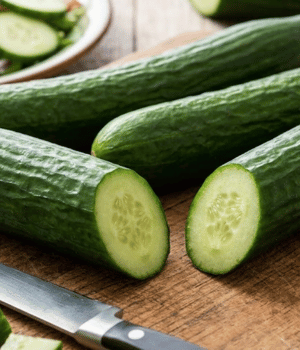
English cucumber is a long cucumber variety with thin skin and small seeds. Its mild taste and crisp texture make it particularly suitable for fresh dishes. It is often sliced for salads, sandwiches, wraps, appetizers, and chilled recipes.
English Spinach
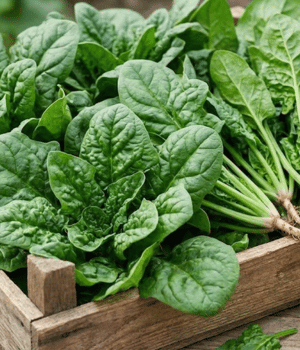
English spinach is a leafy spinach variety grown for its tender green foliage. Younger leaves can be enjoyed fresh, while mature leaves are often cooked to create a softer texture. It can be included in omelets, curries, soups, pasta, and many everyday vegetable dishes.
Ethiopian Kale
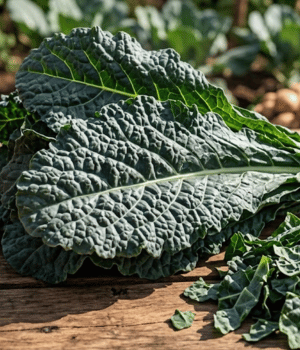
Ethiopian kale refers to leafy greens cultivated and eaten in Ethiopian and East African food traditions. The leaves are generally prepared as a cooked vegetable rather than used only in raw salads. They can be combined with onions, spices, grains, and legumes for a flavorful meal.
Ethiopian Mustard
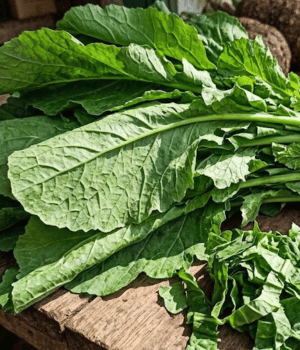
Ethiopian mustard is a leafy crop from the mustard family that is grown for its edible greens. Its leaves may have a stronger flavor than mild salad greens, making them useful in cooked dishes. They can be sautéed, simmered, or included in traditional vegetable preparations.
Egyptian Spinach
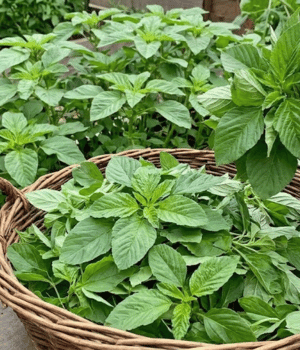
Egyptian spinach, often called molokhia or jute mallow, is grown for its edible leaves and young stems. When prepared, the chopped leaves create a characteristic thick and slightly slippery texture. It is widely used in soups, stews, and traditional dishes across parts of the Middle East and North Africa.
Enoki Mushrooms
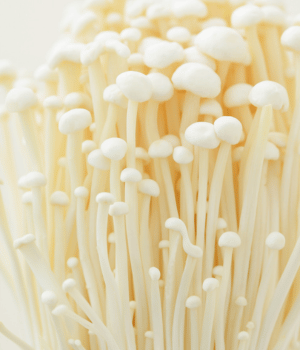
Enoki mushrooms have long, thin stems topped with small caps and are widely used in Asian cuisine. Their delicate texture makes them suitable for hot pots, soups, noodle dishes, and stir-fries. Since mushrooms belong to the fungi kingdom, enoki is more accurately described as a culinary vegetable rather than a botanical vegetable.
Epazote
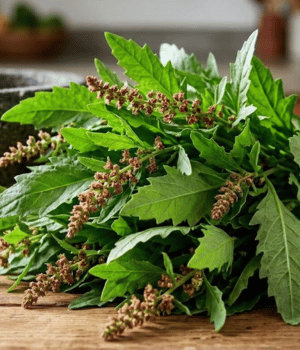
Epazote is an aromatic plant mainly valued for its flavorful leaves rather than as a conventional vegetable. It is especially associated with Mexican and Central American cooking. Fresh or dried leaves can be used to season beans, soups, stews, and other traditional dishes.
Uncommon Vegetable Names Beginning With E
Some vegetables that start with E are not commonly found in supermarkets but are still interesting food crops.
- Enset stands out because it plays an important role in traditional Ethiopian food systems and provides food from parts other than its fruit.
- Earthnut Pea is another unusual example, particularly because its edible portion develops underground and has a naturally nutty character.
- Elephant Foot Yam is recognizable for its large underground corm and is used as a starchy ingredient in warm-climate cuisines.
- Egyptian Onion is interesting because one plant can provide edible greens, bulbs, and bulbils.
- Ethiopian Mustard and Ethiopian Kale are useful examples of regional leafy crops that may be unfamiliar to people outside East African food traditions.
- Egyptian Spinach is also distinctive because of the texture it develops during cooking.
Leafy Greens That Begin With E
Several entries in this list belong to the leafy-green category and are primarily valued for their edible foliage.
- Endive — A chicory green that adds crispness and a slightly bitter note to meals.
- Escarole — A broad-leaf green that works well in both fresh and cooked recipes.
- English Spinach — A spinach variety suitable for salads and cooked dishes.
- Ethiopian Kale — A regional leafy crop commonly prepared as a cooked green.
- Ethiopian Mustard — A mustard-family plant grown for its flavorful leaves.
- Egyptian Spinach — A leafy crop known for its distinctive cooked consistency.
- Enset — A large food plant whose edible material includes parts of the pseudostem.
Root and Tuber Foods With E Names
The E category also contains several crops that are grown mainly for underground edible portions.
- Eddoe — A taro relative with a compact, starchy corm.
- Elephant Foot Yam — A large tropical underground crop used as a substantial cooked ingredient.
- Earthnut Pea — A rare plant producing edible tubers below the soil.
- Enset Corm — The underground part of enset can serve as a source of food after suitable preparation.
- Egyptian Onion — This onion type can form edible underground bulbs in addition to its other useful parts.
Common E Vegetables for Kids
Learning vegetable names beginning with E can be easier when children start with familiar and easy-to-pronounce examples.
- Edamame — Green soybeans often served as a snack or side dish.
- Eggplant — A soft vegetable commonly found in purple and other colors.
- Endive — A leafy green often used in salads.
- Escarole — A green leafy vegetable related to endive.
- English Peas — Small green peas with a naturally sweet taste.
- English Cucumber — A long, crunchy cucumber with thin skin.
- Elephant Garlic — A large-bulbed allium with a mild taste.
- Eddoe — A small starchy corm related to taro.
- Egyptian Onion — A type of onion with edible green growth and bulbs.
- Enset — A banana relative used as a traditional food crop in Ethiopia.
For an alphabet activity, the easiest names to remember are Eggplant, Edamame, Endive, Escarole, English Peas, and Eddoe.
FAQs About Vegetables That Start With E
Examples include Edamame, Eggplant, Endive, Escarole, Eddoe, Elephant Garlic, Elephant Foot Yam, Enset, Earthnut Pea, English Peas, English Cucumber, English Spinach, Egyptian Onion, Ethiopian Kale, and Ethiopian Mustard.
Some entries are culinary vegetables, while others are vegetable crops, legumes, herbs, or foods commonly grouped with vegetables.
Eggplant is probably the most familiar name on this list. It is widely used in different cuisines and has several common names, including aubergine and brinjal.
In botanical terms, eggplant is a fruit because it develops from a flower and contains seeds. In cooking, however, it is normally treated as a vegetable because it is mainly used in savory recipes.
Edamame consists of immature soybeans, so it is technically a legume rather than a conventional botanical vegetable. It is frequently treated like a vegetable in everyday meals because the young green beans are cooked and served as a savory food.
Eddoe is a taro-related corm used as a starchy food. It has a firm texture before cooking and becomes softer when boiled, steamed, roasted, or prepared in other cooked dishes.
They are closely related members of the chicory group, but they are not exactly the same type. Endive can refer to several forms with different leaf shapes, while escarole is recognized by its broader leaves and comparatively gentle bitterness.
Elephant garlic is much larger and usually has a milder flavor. Although it resembles garlic and is used in similar ways, it is botanically more closely related to leeks.
Enset is primarily valued for food products made from its pseudostem and corm. In Ethiopia, it has long been processed into traditional foods, including kocho and bulla.
Conclusion
The collection of vegetables that start with E includes familiar foods such as eggplant, edamame, endive, and English peas, as well as less common crops such as enset, earthnut pea, and elephant foot yam.
These examples also show that alphabetical vegetable lists can include different types of edible plant foods. Some are leafy greens or tubers, while others are legumes, herbs, or culinary ingredients that are commonly treated like vegetables. Understanding these differences makes an E vegetable list more useful, accurate, and informative.
Read more
- Vegetables that Start with F
- Vegetables that Start with G
- Vegetables that Start with H
- 40+ Vegetables that Start with D
- Vegetables that Start with C