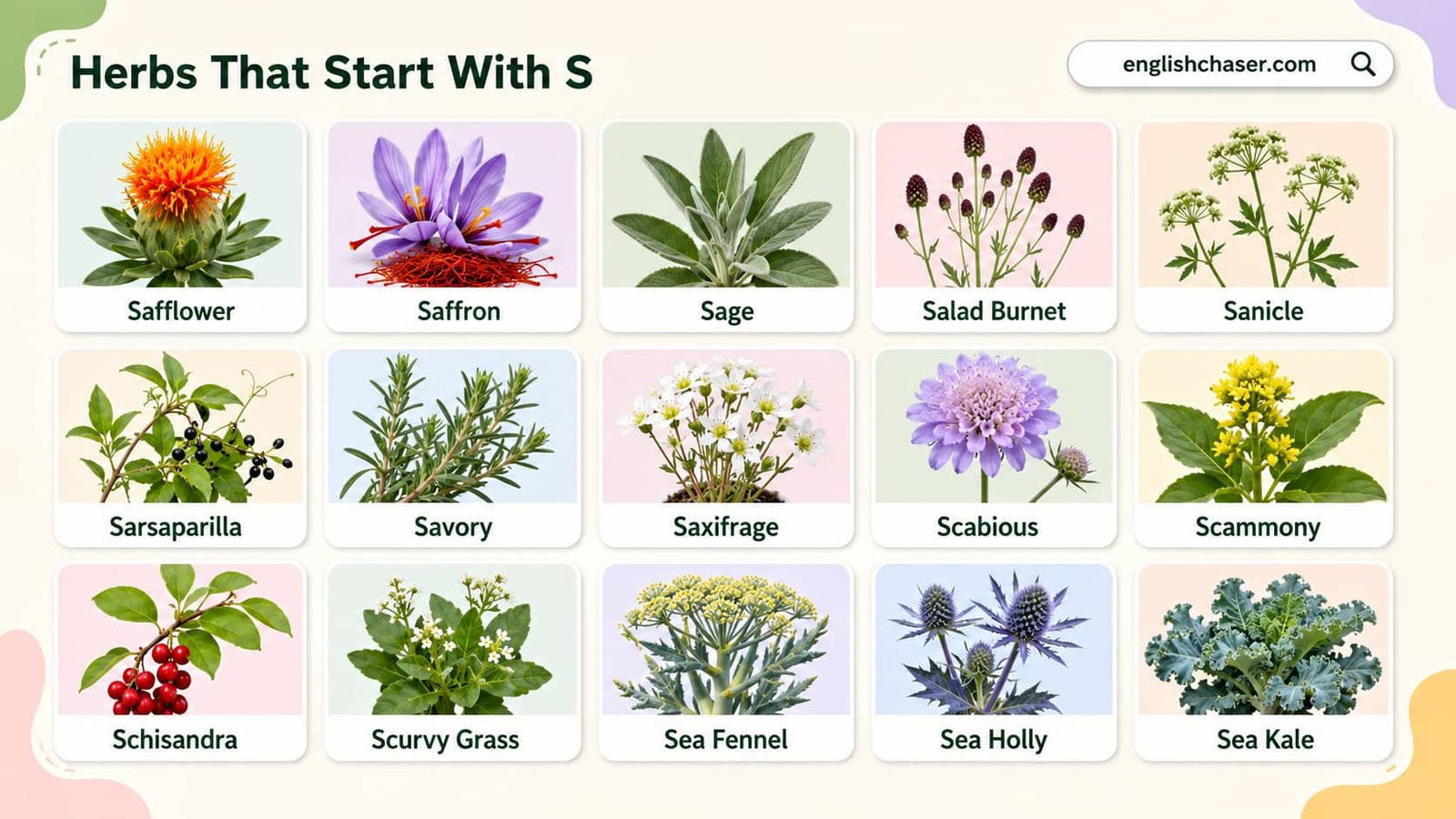

Herbs That Start With S include leafy plants, aromatic herbs, roots, and traditional herbal plants used across many cultures. Learning these S herb names introduces plants such as sage, savory, sorrel, spearmint, and shiso, along with less familiar names from different regions. Each herb has its own flavor, appearance, plant part, and traditional use.
Herb names, recognize them through pictures, and understand their main uses. Knowing Herbs That Start With S is useful when reading recipes, studying plants, or discussing culinary and herbal traditions.
What Herbs That Start With S?
Herbs beginning with S include plants used for cooking, flavoring, fragrance, and traditional herbal practices. Some are leafy herbs, while others are roots, flowers, or whole plants.
The names range from familiar kitchen herbs to regional plants. Below are common S herb names with short descriptions for easier understanding.
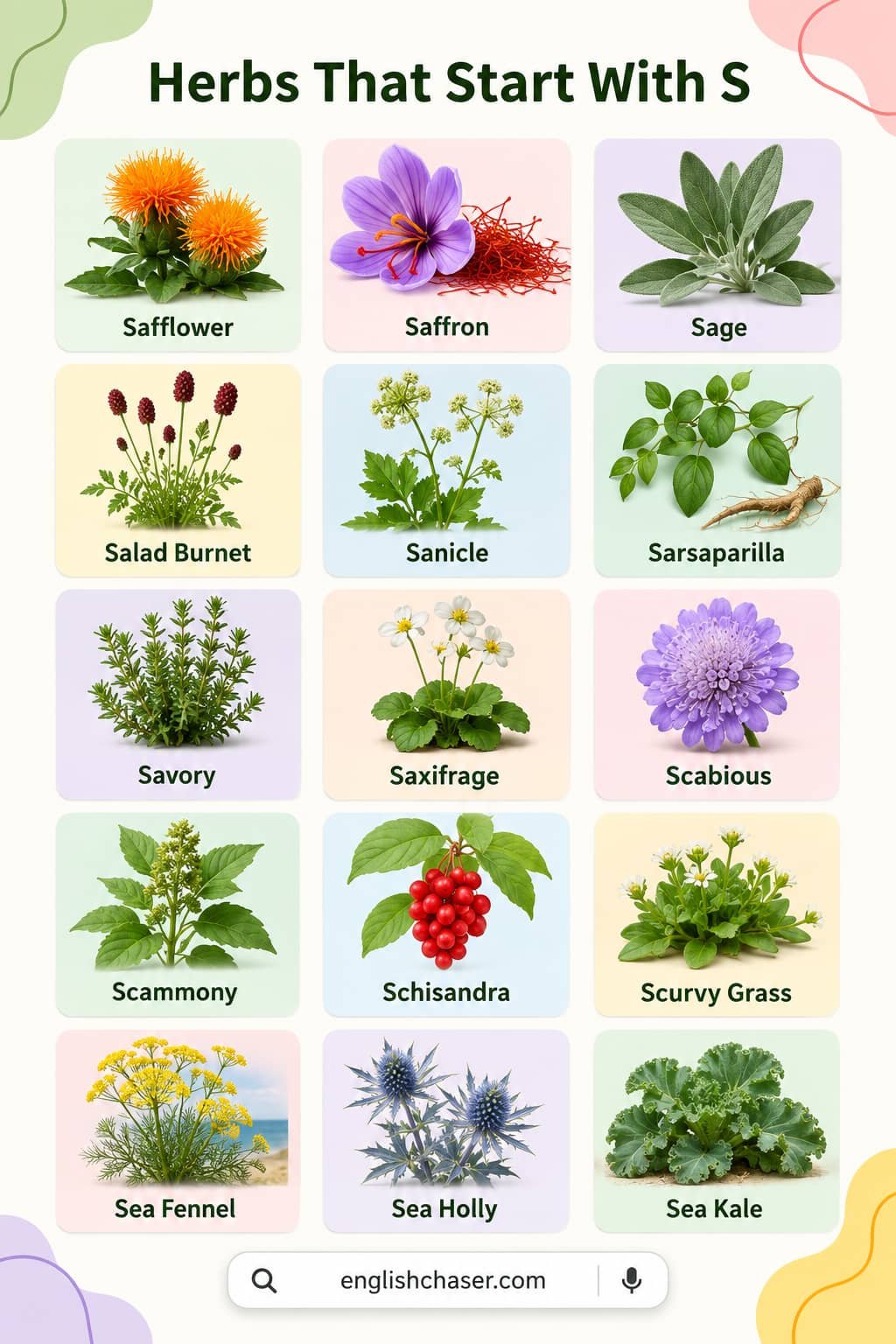
List of Herbs That Start With S
S herb names come from many plant families and regions. Some are common kitchen plants, while others belong mainly to traditional herbal practices.
- Safflower
- Saffron
- Sage
- Salad Burnet
- Sanicle
- Sarsaparilla
- Savory
- Saxifrage
- Scabious
- Scammony
- Schisandra
- Scurvy Grass
- Sea Fennel
- Sea Holly
- Sea Kale
- Sea Lavender
- Sea Purslane
- Self-Heal
- Senega
- Senna
- Sesame
- Shepherd’s Purse
- Sheep Sorrel
- Shatavari
- Shiso
- Siberian Ginseng
- Silverweed
- Skirret
- Skullcap
- Soapwort
- Sorrel
- Southernwood
- Spearmint
- Spikenard
- Stinging Nettle
Herbs Starting With S With Pictures
Pictures make plant names easier to connect with their leaves, flowers, stems, and overall form. The descriptions below focus on the identity, flavor, or traditional role of each S herb.
Saffron
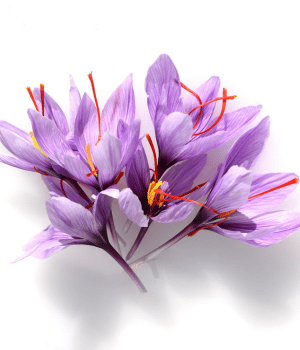
Saffron is a highly valued spice made from the dried stigmas of the Crocus sativus flower. First, producers carefully collect and dry the delicate red stigmas. Then, cooks use small amounts to flavor rice dishes, soups, sauces, breads, and desserts. As a result, saffron provides a distinctive floral aroma, subtle bitterness, and golden color.
Sage
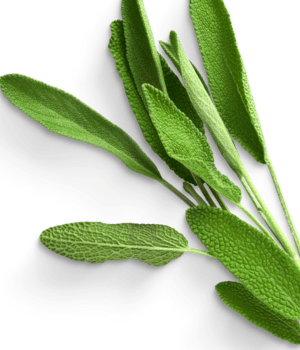
Sage is an aromatic herb from the mint family with soft, gray-green leaves. First, cooks use fresh or dried sage in stuffing, sauces, roasted meats, pasta, and vegetables. Next, they may fry the leaves in butter to create a flavorful garnish. Consequently, sage adds an earthy, savory flavor with a slightly peppery aroma.
Salad Burnet
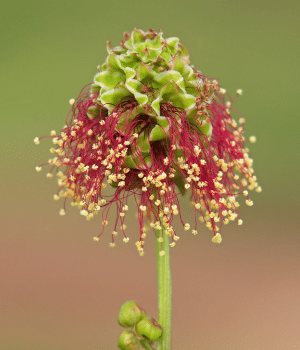
Salad burnet is a perennial herb with small, rounded leaves that have a fresh, cucumber-like flavor. First, cooks use the young leaves fresh in salads, sandwiches, and cold dishes. Then, they may add the leaves as a garnish or herb. As a result, salad burnet provides a refreshing taste with mild cucumber and nutty notes.
Sarsaparilla
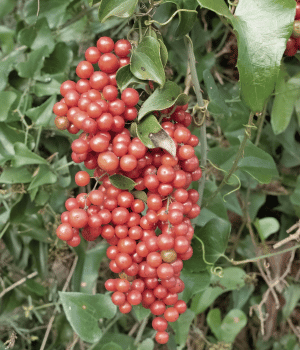
Sarsaparilla is a group of climbing plants traditionally valued for their aromatic roots. First, people have used the roots in herbal preparations and traditional beverages. Next, producers may process the roots into extracts or flavorings. As a result, sarsaparilla has an earthy, aromatic flavor with sweet and slightly spicy notes.
Savory
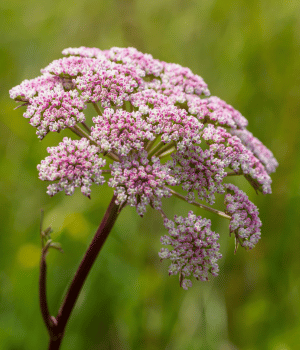
Savory is an aromatic herb from the mint family with several culinary varieties, including summer savory and winter savory. First, cooks use the fresh or dried leaves to season beans, meats, soups, vegetables, and stuffing. Then, they may combine savory with other herbs in seasoning blends. Consequently, savory provides a peppery, earthy flavor with a mild thyme-like aroma.
Schisandra
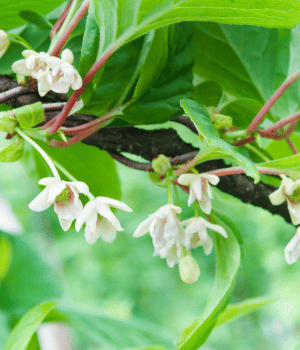
Schisandra is a climbing plant known for its small red berries, which have a distinctive complex flavor. First, people traditionally use the dried or fresh berries in teas, beverages, and herbal preparations. Next, producers may process the berries into powders or extracts. As a result, schisandra berries can taste sweet, sour, salty, bitter, and pungent, creating a notably complex flavor.
Scurvy Grass
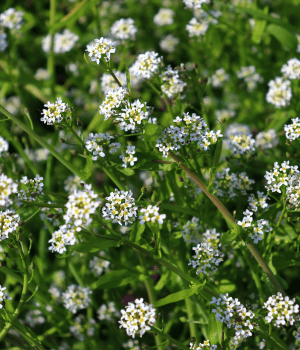
Scurvy grass is a group of coastal herbs from the cabbage family with a sharp, peppery flavor. First, people traditionally used the fresh leaves as a source of vitamin C. Then, cooks may add the leaves to salads or other dishes in small amounts. As a result, scurvy grass provides a strong, spicy taste similar to watercress or mustard greens.
Sea Fennel
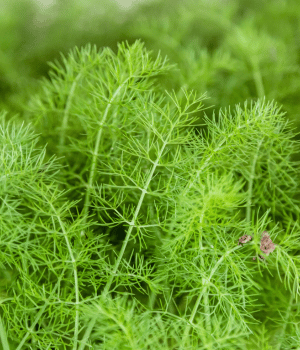
Sea fennel is a coastal herb also known as rock samphire. First, cooks traditionally use its succulent leaves and stems in Mediterranean cuisine. Next, they may pickle, steam, or add the plant to salads and seafood dishes. As a result, sea fennel provides a crisp texture with a salty, aromatic, and slightly bitter flavor.
Self-Heal
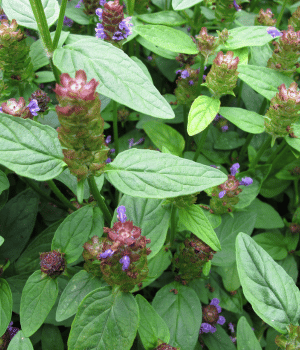
Self-heal is a perennial herb from the mint family with small leaves and purple flower spikes. First, people have traditionally used the aerial parts in herbal teas and preparations. Next, some cuisines use the young leaves as a leafy ingredient. As a result, self-heal offers a mild, slightly bitter herbal flavor, although it is better known for traditional herbal uses.
Senna
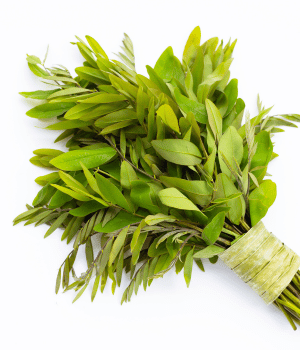
Senna refers to several plants whose leaves and pods have a long history in traditional herbal preparations. First, people primarily use senna for its traditional medicinal properties rather than as a culinary herb. Then, manufacturers may process the plant into teas, extracts, or other herbal products. Therefore, senna should not be treated as an everyday cooking herb or casually added to food.
Shatavari
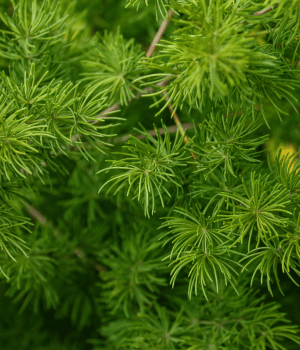
Shatavari is a traditional Ayurvedic herb from the asparagus family, valued mainly for its roots. First, practitioners traditionally dry and powder the roots for herbal preparations. Next, people may mix the powder into milk, drinks, or other preparations. As a result, shatavari has an earthy, slightly bitter flavor and is primarily considered a medicinal herb.
Shiso
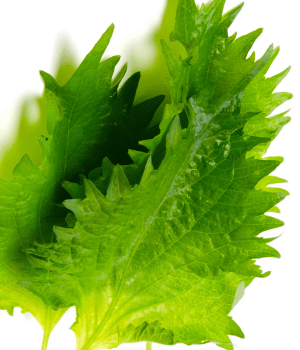
Shiso is an aromatic Japanese herb from the mint family with broad, serrated leaves. First, cooks use green or red-purple shiso in sushi, salads, pickles, noodles, and garnishes. Next, they may fry the leaves or use them to wrap foods. Consequently, shiso provides a refreshing flavor with notes that can resemble mint, basil, citrus, or cumin depending on the variety.
Skullcap
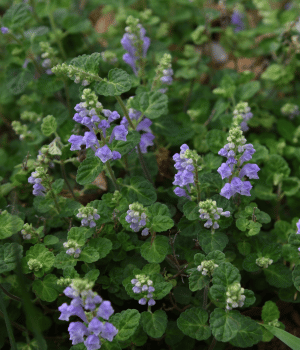
Skullcap is a group of herbs in the Scutellaria genus, including American skullcap. First, traditional herbal practices use the aerial parts in teas and other preparations. Then, people may dry the leaves and stems before processing them. As a result, skullcap is primarily recognized as a traditional herbal plant rather than a common culinary seasoning.
Soapwort
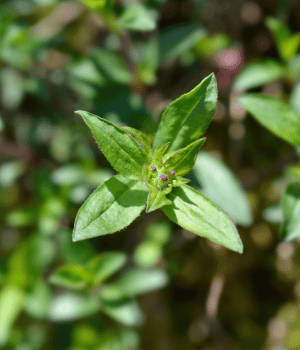
Soapwort is a perennial herb known for its roots and leaves, which contain natural saponins that create a soapy lather. First, people have traditionally used the plant for cleaning and certain herbal preparations. However, soapwort is not a standard culinary herb, and consuming concentrated amounts can be harmful. Therefore, it should not be treated as an everyday food ingredient.
Spearmint
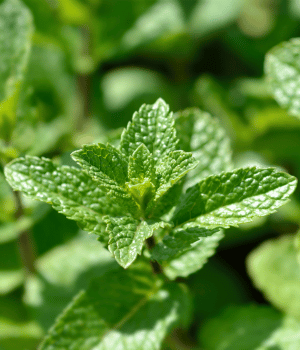
Spearmint is a widely used aromatic herb with bright green leaves and a refreshing flavor. First, cooks add fresh or dried spearmint to teas, salads, sauces, desserts, and savory dishes. Next, they often use fresh leaves as a garnish. As a result, spearmint provides a cool, sweet, and gently minty flavor.
Stinging Nettle
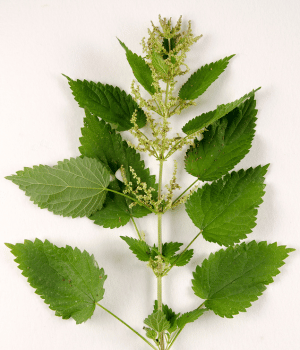
Stinging nettle is a leafy herb covered with tiny hairs that can cause skin irritation when handled fresh. First, cooks carefully blanch or cook the leaves to remove the sting. Then, they can use the prepared leaves in soups, sauces, fillings, and cooked greens. As a result, stinging nettle develops a mild, earthy, spinach-like flavor after proper cooking.
S Herb Names Used Around the World
S herb names come from Europe, Asia, North America, South America, and coastal regions. Their uses often reflect local food traditions and plant knowledge. Below is a regional overview of well-known S herbs.
South Asian Herbs
South Asian traditions include several S herbs used in cooking and traditional herbal systems. Shatavari and senna are especially associated with Ayurvedic and regional herbal practices.
- Shatavari
- Senna
- Sarsaparilla
- Sorrel
- Stevia
- Sweet Basil
- Spikenard
European Herbs
European cuisines and herbal traditions include many familiar S herbs. Sage, savory, sorrel, and sweet woodruff are among the best-known names.
- Sage
- Salad Burnet
- Savory
- Sheep’s Sorrel
- Shepherd’s Purse
- Self-heal
- Sorrel
- Southernwood
- Sweet Cicely
- Sweet Marjoram
- Sweet Violet
- Sweet Woodruff
- St. John’s Wort
- St. Benedict’s Herb
- St. Barbara’s Cress
North American Herbs
North America has several native or naturalized plants used traditionally as herbs. Slippery elm, sassafras, and skullcap are notable examples.
- Slippery Elm
- Sassafras
- Skullcap
- Senega
- Sarsaparilla
- Stinging Nettle
- Self-heal
- Saw Palmetto
- Sumac
Mediterranean Herbs
Mediterranean plant traditions include many aromatic herbs suited to dry, sunny environments. Sage, savory, santolina, and sweet marjoram are especially familiar.
- Sage
- Savory
- Santolina
- Summer Savory
- Sweet Marjoram
- Sweet Basil
- Southernwood
- Sorrel
- Saffron
- Samphire
Which Herbs Beginning With S Are Used in Herbal Traditions?
Several S herbs have long histories in traditional plant practices. Their roles vary by culture, and traditional use should not be treated as proof of medical effectiveness.
- Shatavari: A traditional Ayurvedic herb valued for its roots and herbal preparations.
- Senna: A plant traditionally used in herbal preparations, especially for digestive purposes.
- St. John’s Wort: A flowering herb with yellow flowers, mainly known for traditional herbal use.
- Skullcap: A mint-family herb traditionally used in various herbal preparations.
- Slippery Elm: A North American tree whose inner bark is used in traditional herbal preparations.
- Sarsaparilla: A climbing plant with aromatic roots, traditionally used in herbal preparations and beverages.
- Schisandra: A berry-producing plant valued in traditional Asian herbal practices.
- Shepherd’s Purse: A small flowering herb traditionally used as both a food plant and herbal herb.
- Solomon’s Seal: A woodland herb with arching stems and a history of traditional herbal use.
- Self-heal: A low-growing mint-family herb with purple flowers and traditional herbal uses.
- Senega: A North American herb traditionally valued for its roots in herbal preparations.
- Sweet Flag: An aromatic wetland herb known for its fragrant rhizomes and traditional uses.
- Spikenard: A fragrant herb traditionally valued for its aromatic roots and herbal preparations.
- Stinging Nettle: A leafy herb that can be cooked and eaten after removing its stinging properties.
- Sassafras: An aromatic North American plant traditionally used in foods, drinks, and herbal preparations.
Some names also have different meanings across regions. For instance, skullcap, spikenard, and sarsaparilla can refer to more than one plant or species.
Herb Starts With S: Quick Reference Table of Uses and Plant Types
The table below provides a quick reference to herbs that start with S, including their plant type, commonly used parts, and typical culinary or traditional uses. It helps readers easily compare these S herbs and understand how they are commonly used.
| Herb | Typical Use |
|---|---|
| Sage | Seasoning meats, stuffing, sauces |
| Saffron | Rice dishes, sauces, desserts |
| Savory | Beans, soups, meats |
| Sorrel | Soups, salads, sauces |
| Spearmint | Tea, sauces, desserts |
| Shiso | Japanese and Korean dishes |
| Sweet Basil | Pesto, pasta, sauces |
| Sweet Marjoram | Mediterranean dishes |
| Summer Savory | Beans, vegetables, meats |
| Salad Burnet | Salads and cold dishes |
| Samphire | Seafood dishes and salads |
| Shatavari | Ayurvedic preparations |
| Senna | Traditional herbal preparations |
| St. John’s Wort | European herbal traditions |
| Skullcap | Traditional herbal practices |
| Slippery Elm | Traditional preparations |
| Schisandra | East Asian herbal traditions |
| Sarsaparilla | Traditional preparations and beverages |
FAQs About Herbs That Start With S
Some herbs that start with S include Saffron, Sage, Salad Burnet, Sarsaparilla, Savory, Schisandra, Shiso, Skullcap, Spearmint, and Stinging Nettle.
Sage is one of the best-known herbs beginning with S. It is widely used as a culinary herb and for its aromatic leaves.
Sage, savory, shiso, spearmint, and salad burnet are among the S herbs commonly used in culinary applications.
Several S herbs have traditional medicinal uses, including senna, self-heal, skullcap, shatavari, and sarsaparilla.
Read more