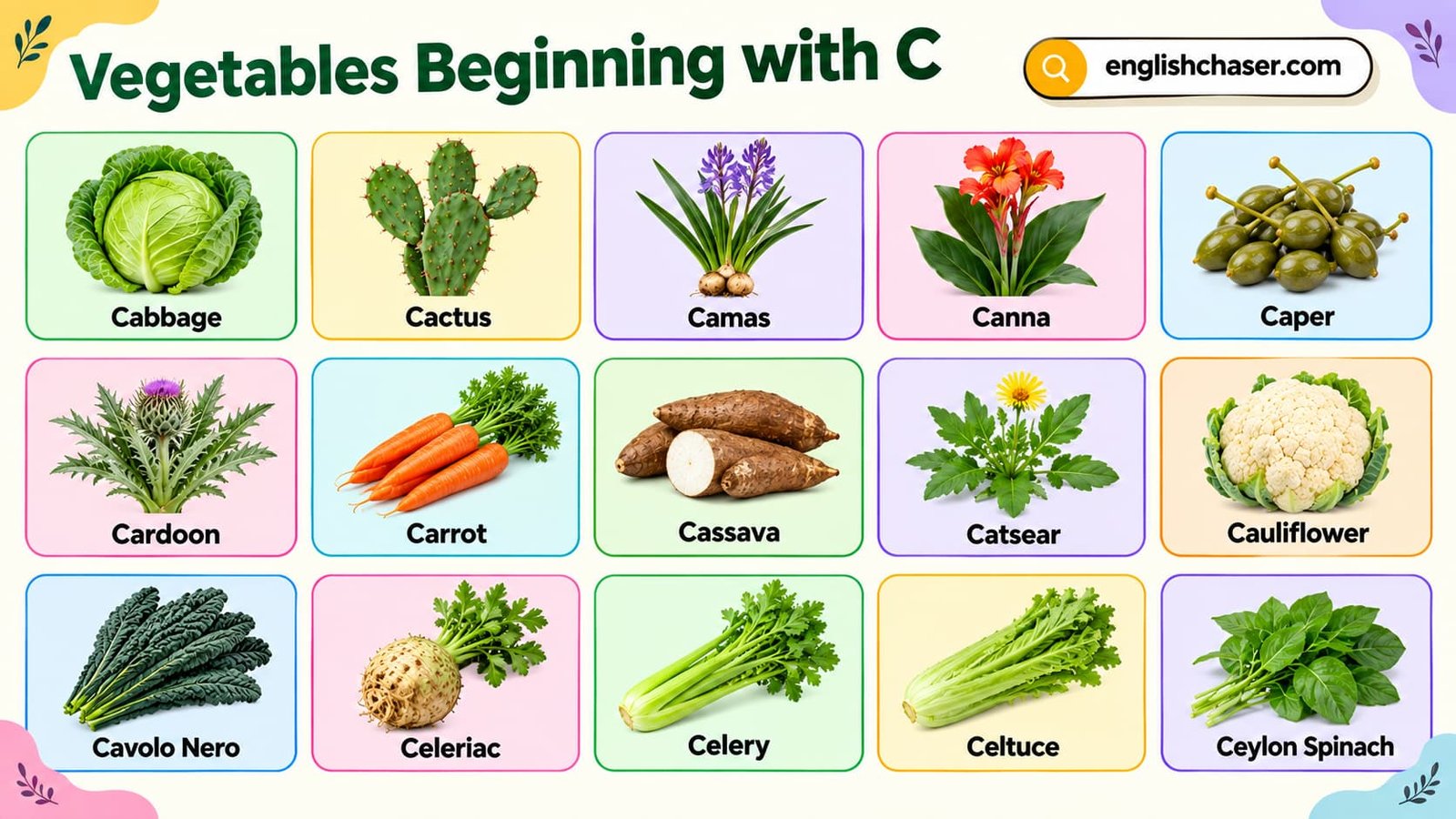

How many vegetables can you name that begin with the letter C? You might quickly think of carrots, cabbage, cauliflower, or cucumber, but the list goes much further. From crunchy root vegetables and leafy greens to tropical crops and lesser-known varieties, there are plenty of interesting vegetables that start with C.
Some of these are everyday favorites, while others may be completely new to you. In this guide, you’ll discover a carefully organized list of vegetables beginning with C, along with simple descriptions and useful categories. It’s a handy resource for anyone exploring new foods, working on a school project, building their vegetable vocabulary, or looking for C vegetables that kids can easily learn.
What Are Vegetables That Start With C?
Vegetables that start with C are edible plant foods whose common English names begin with the letter C. They can include different edible parts of a plant, such as roots, leaves, stems, flowers, shoots, pods, and immature fruits.
It is also worth remembering that “vegetable” is mainly a culinary term. For example, cucumber, chayote, corn, and chili peppers are botanically fruits but are commonly prepared and eaten as vegetables. Likewise, some C foods, such as chives and certain leafy plants, are more accurately classified as herbs or greens.
Vegetables Beginning With C With Definitions
Here is a broad C vegetables list covering familiar choices as well as less-common edible plants and varieties. Some entries are culinary vegetables even though their botanical classification differs.
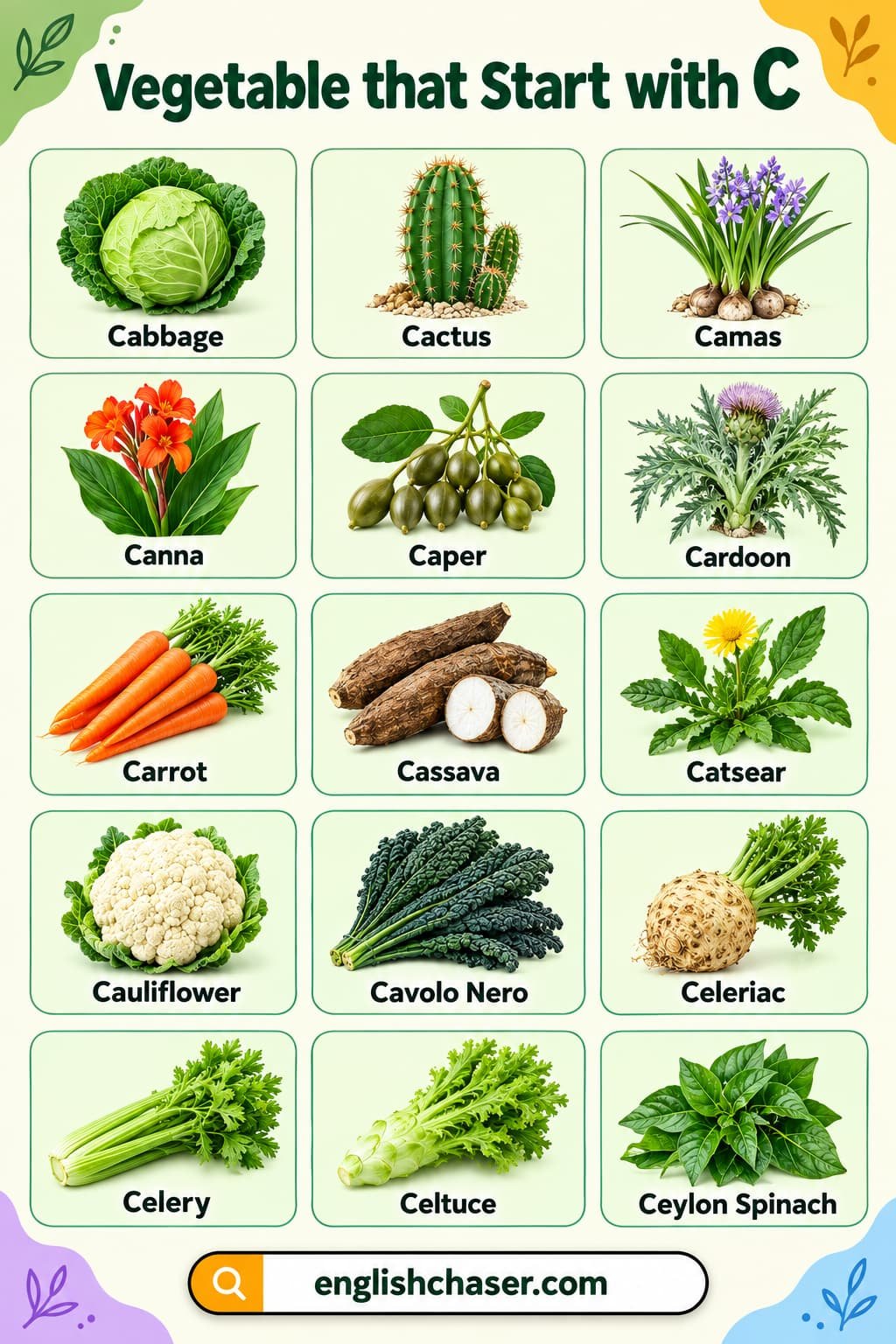
Cabbage
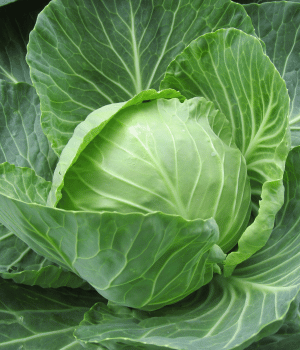
Cabbage is a leafy vegetable that forms a compact head of overlapping leaves. Green and red cabbage are commonly used in salads, slaws, soups, stir-fries, and cooked dishes.
Cactus
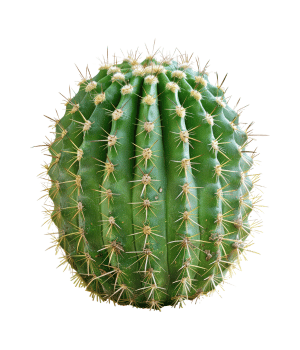
Edible cactus pads, particularly nopales, are used as a vegetable in Mexican and other cuisines. The tender pads can be grilled, sautéed, boiled, or added to salads and stews.
Caper
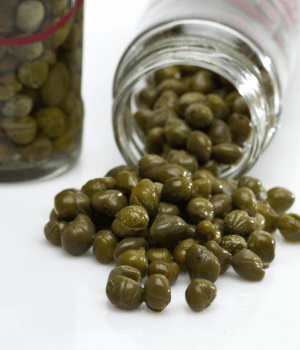
Capers are unopened flower buds of the caper plant, usually preserved in brine, vinegar, or salt. They are mainly used as a strongly flavored culinary ingredient rather than as a conventional vegetable.
Cardoo
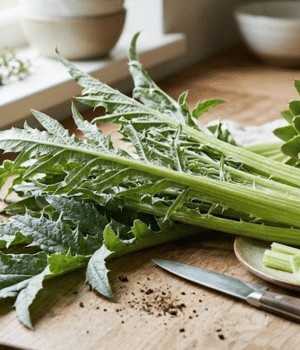
Cardoon is a close relative of the artichoke and is grown for its thick, edible leaf stalks. The stalks are commonly trimmed and cooked before eating.
Cassava
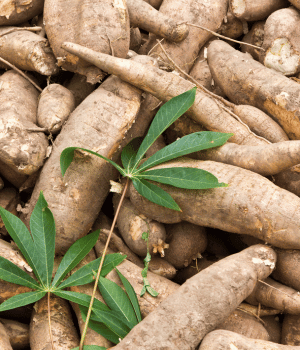
Cassava, also called yuca, is a tropical root crop grown for its starchy underground root. It must be properly processed and cooked before eating.
Catsear
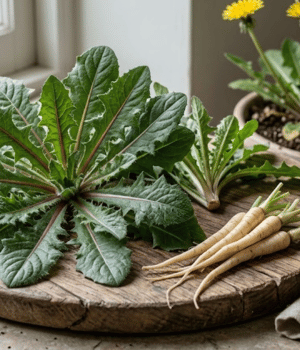
Catsear is a leafy wild plant whose young leaves and roots have been eaten in some culinary traditions. It is sometimes confused with dandelion because of its similar appearance.
Cauliflower
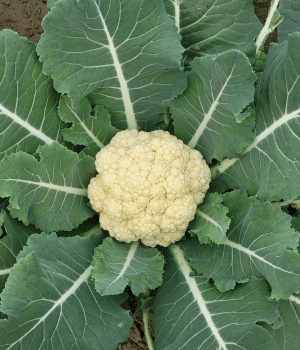
Cauliflower is a cruciferous vegetable that produces a compact head of undeveloped flower structures called florets. It can be steamed, roasted, boiled, fried, or eaten raw.
Cavolo Nero
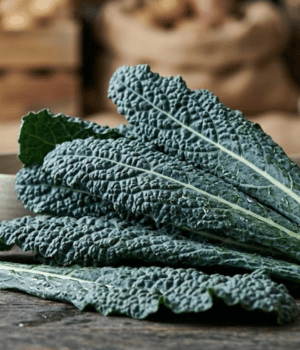
Cavolo nero is a dark, long-leaved type of kale associated with Italian cuisine. Its sturdy leaves are commonly used in soups, sautés, pasta dishes, and other cooked recipes.
Celery
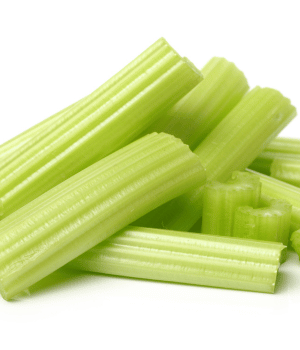
Celery is grown mainly for its crisp leaf stalks, although its leaves and seeds are also useful in cooking. It is commonly eaten raw or added to soups, salads, sauces, and stews.
Celtuce
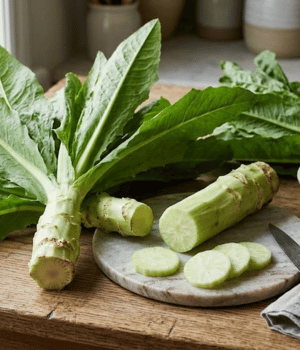
Celtuce is a type of lettuce grown primarily for its thick, edible stem rather than its leaves. The stem is popular in several Asian cuisines and can be eaten raw or cooked.
Ceylon Spinach
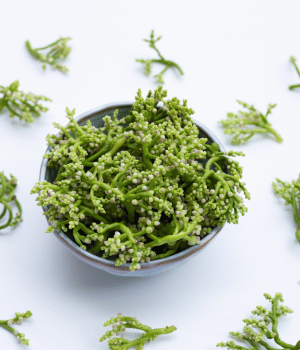
Ceylon spinach is a leafy tropical plant used as a cooked green in various cuisines. Its tender leaves and shoots can be prepared similarly to other leafy vegetables.
Chinese Cabbage
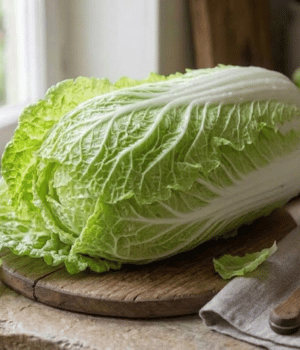
Chinese cabbage is a broad term that includes leafy brassicas such as napa cabbage. It is widely used in stir-fries, soups, dumplings, salads, and fermented foods.
Cha-om
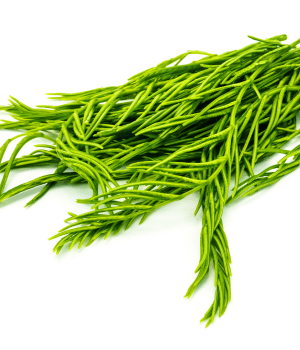
Cha-om is the tender foliage of a tropical plant used in Southeast Asian cooking. The young shoots are commonly incorporated into omelets, curries, soups, and other dishes.
Chayote
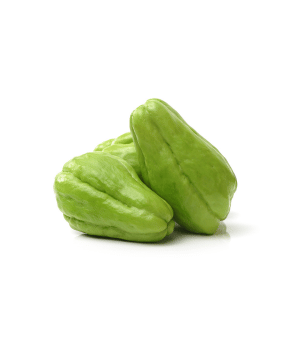
Chayote is a green, pear-shaped member of the squash family. The tender fruit is commonly cooked in soups, stews, stir-fries, and side dishes.
Cucumber
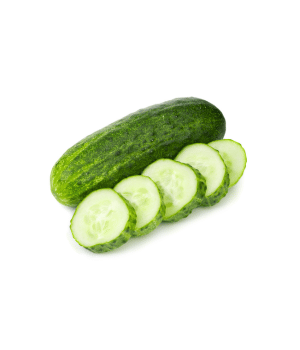
Cucumber is a refreshing member of the squash family that is usually eaten raw or lightly prepared. It is common in salads, pickles, sandwiches, and cold dishes.
Chinese Long Bean
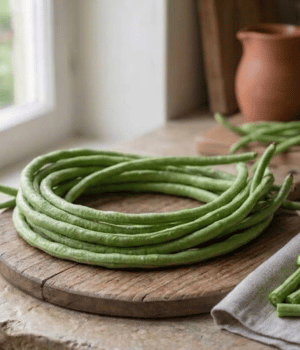
Chinese long bean is a legume harvested for its long, tender pods. The pods are commonly sliced and stir-fried, steamed, or added to other vegetable dishes.
Green Vegetables that Start with C
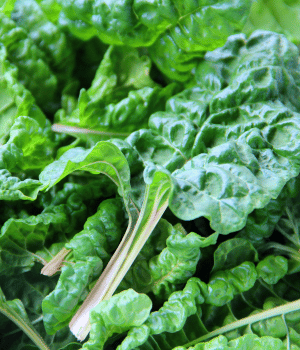
- Chard: Chard is a leafy green with broad leaves and colorful or white stalks. Both the leaves and stems are edible and can be sautéed, steamed, added to soups, or used in other cooked dishes.
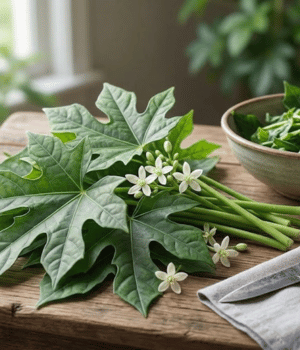
- Chaya: Chaya is a leafy perennial plant used as a cooked green, particularly in parts of Mexico and Central America. Its leaves require proper cooking before consumption.
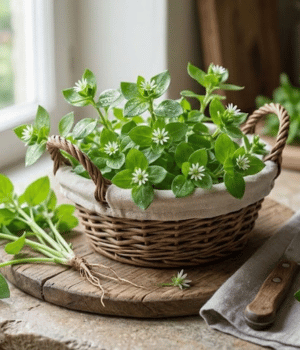
- Chickweed: Chickweed is a tender edible green that has been used traditionally in salads and cooked dishes. Young leaves and shoots are the parts generally associated with culinary use.
- Cress: Garden cress is a small, fast-growing leafy green with a peppery taste. Its delicate leaves are commonly added to salads, sandwiches, soups, and garnishes.
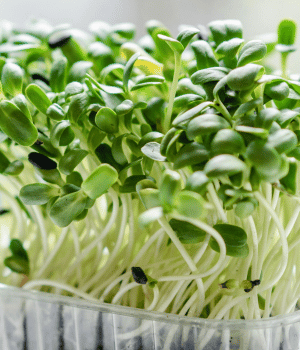
- Cime di Rapa: Cime di rapa, also called broccoli rabe or rapini in some contexts, is a leafy brassica with stems, leaves, and small flower buds. Its slightly bitter flavor works well in sautéed and pasta dishes.
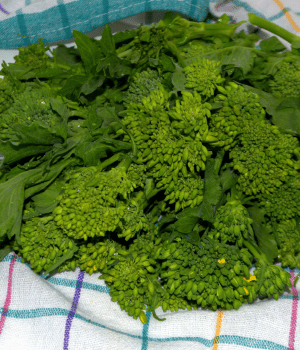
- Chinese Broccoli: Chinese broccoli, also known as gai lan, is a leafy brassica with thick stems and small flower buds. It is commonly steamed or stir-fried and has a stronger flavor than standard broccoli.
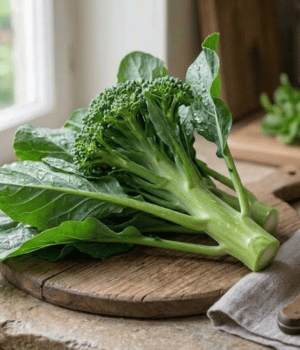
- Choy Sum: Choy sum is a tender Asian leafy vegetable with green stems and small yellow flowers. It is commonly stir-fried, steamed, or added to soups.
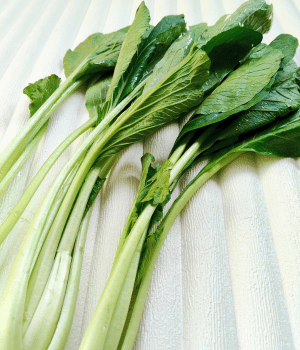
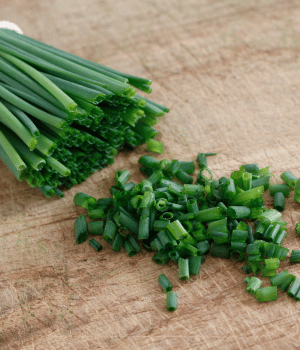
- Chives: Chives are slender members of the onion family grown mainly for their mild, onion-flavored leaves. They are usually used fresh as a garnish or flavoring in salads, soups, potatoes, and sauces.
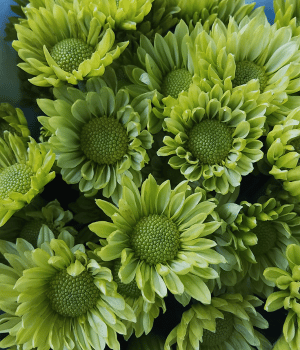
- Chrysanthemum Greens: Chrysanthemum greens are the edible young leaves and shoots of certain chrysanthemum plants. They are popular in East Asian cooking and are often added to soups and hot pots.
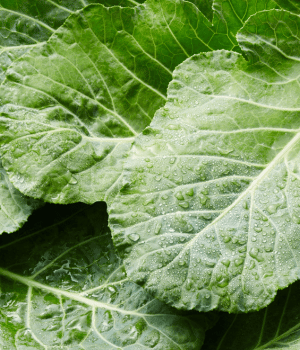
- Collard Greens: Collard greens are large, sturdy leafy greens related to cabbage and other brassicas. They are commonly cooked slowly or sautéed until tender.
Red Vegetables that Start with C
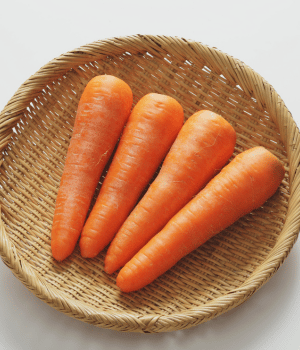
- Carrot: Carrot is a familiar root vegetable grown in many colors, including orange, purple, yellow, and white. The crunchy root is eaten raw or cooked, while young carrot greens can also be used as edible leaves.
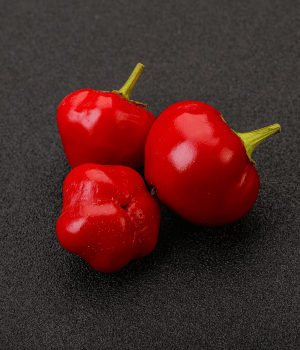
- Cherry Pepper: Cherry peppers are small, round peppers that can range from sweet to hot depending on the variety. They are often pickled, stuffed, sliced, or used to add color and flavor to dishes.
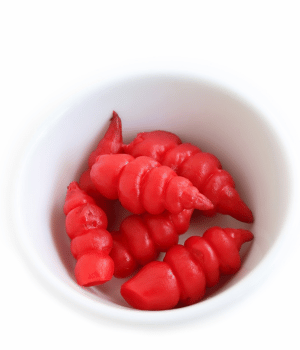
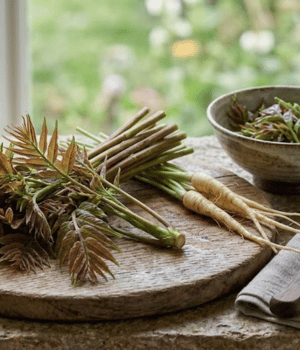
- Chinese Artichoke: Chinese artichoke, also called crosne, produces small, knobbly edible tubers underground. The crisp tubers can be cooked or eaten in preparations where a crunchy texture is desired.
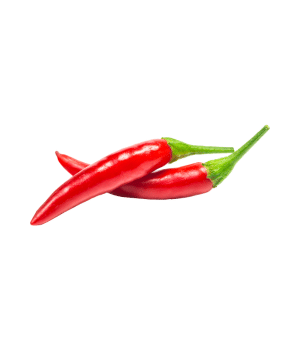
- Chili Peppers: Chili peppers are varieties of Capsicum known for their heat, although some varieties are mild. They are used fresh, dried, pickled, or cooked to add flavor and spice.
Brown Vegetables Beginning with C
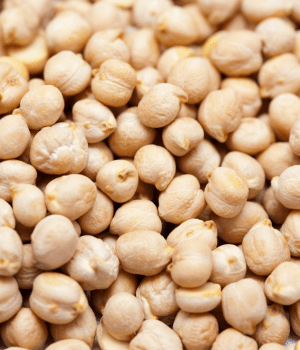
- Chickpeas: Chickpeas, also called garbanzo beans, are edible legumes that are commonly used in salads, curries, soups, and hummus. They are valued as a versatile plant-based food.
- Celeriac: Celeriac, also known as celery root, is a knobby underground vegetable cultivated for its swollen root. It has a mild celery-like flavor and can be roasted, mashed, boiled, or added to soups.
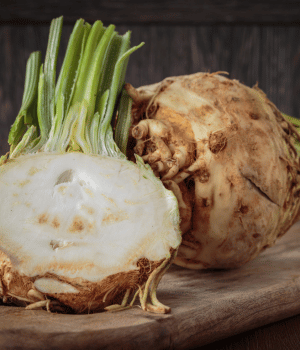
- Chicory: Chicory is a leafy plant with a slightly bitter flavor. Different forms are used in salads or cooked dishes, and the plant includes varieties such as Belgian endive and radicchio.
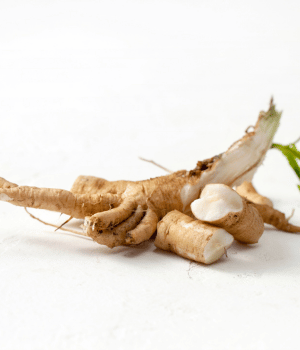
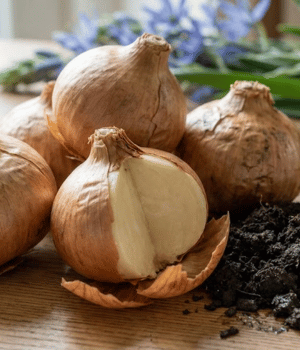
- Camas: Camas is a plant traditionally valued for its edible underground bulb. The bulbs require appropriate preparation and should not be confused with toxic look-alike species.
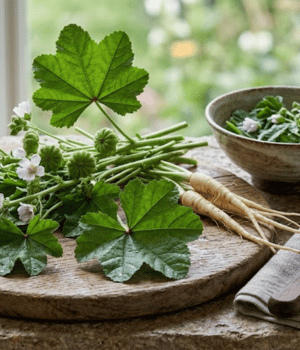
- Chinese Mallow: Chinese mallow is a leafy plant used as a cooked green in some Asian cuisines. Its tender leaves can be added to soups and vegetable dishes.
- Chinese Toon: Chinese toon is valued for its young shoots and leaves, which have a distinctive aromatic flavor. The tender foliage is traditionally used in several Chinese dishes.
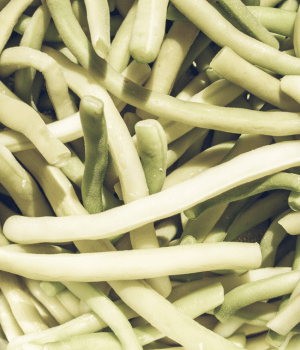
- Common Bean: Common beans include many varieties harvested and eaten as fresh green or immature beans. Depending on the variety, they may be eaten as whole pods or as mature seeds.
Yellow Vegetables that Begins with C with Pictures
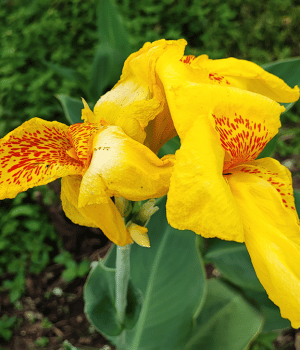
- Canna: Certain canna plants have edible underground rhizomes or young shoots used traditionally as food in some regions. Preparation and species identification are important before consumption.
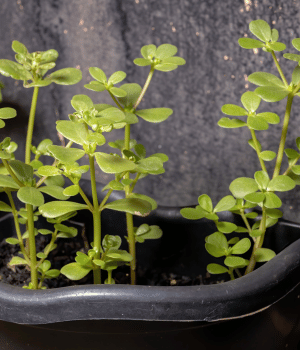
- Common Purslane: Common purslane is a succulent leafy green with crisp stems and a slightly tangy flavor. Its tender leaves and stems can be eaten raw or cooked.
- Corn: Corn is a cereal crop whose tender ears are commonly eaten as a vegetable. Fresh corn can be boiled, grilled, steamed, or removed from the cob and added to many dishes.
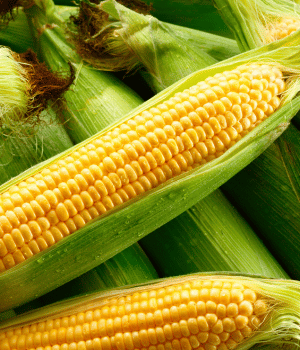
- Corn Salad: Corn salad, also known as mâche, is a small leafy green with tender leaves. It is commonly eaten fresh in salads and has a mild flavor.
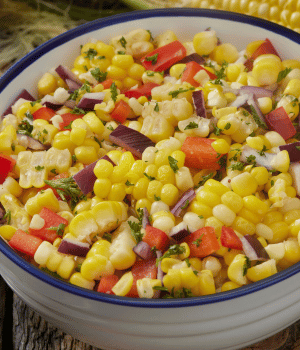
- Cos Lettuce: Cos lettuce, commonly known as romaine lettuce, forms elongated heads with crisp leaves. It is widely used in salads, sandwiches, and wraps.
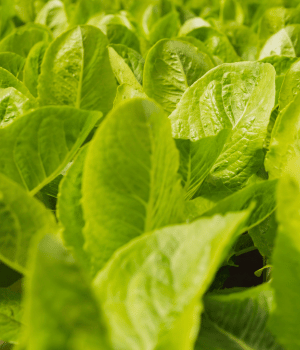
- Courgette: Courgette is the British and international name commonly used for zucchini, a tender summer squash. It can be grilled, roasted, fried, sautéed, or eaten young in salads.
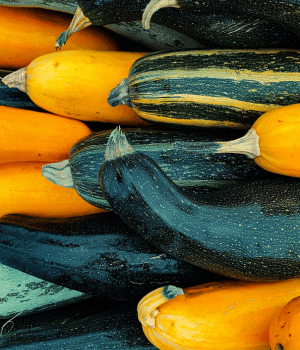
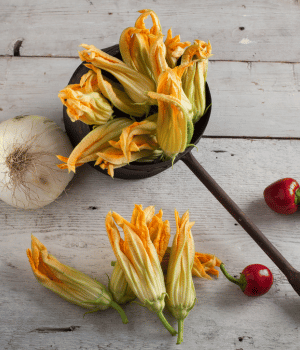
- Courgette Flowers: Courgette flowers are the edible blossoms produced by zucchini plants. They can be stuffed, battered, fried, or incorporated into other dishes.
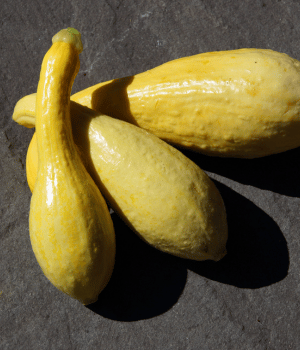
- Crookneck Squash: Crookneck squash is a type of summer squash recognized by its curved neck. The tender immature squash is usually cooked with the skin on.
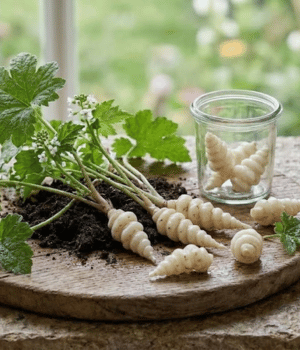
- Crosne: Crosne is another name for Chinese artichoke, a plant grown for its small, white, knobby underground tubers. The tubers have a crisp texture and can be cooked or preserved.
Popular Vegetables That Start With C
Some common vegetables that start with C are familiar in kitchens around the world. These are particularly useful names for children, beginners, and anyone looking for everyday C vegetables.
- Cabbage
- Carrot
- Cauliflower
- Celery
- Cucumber
- Chard
- Collard Greens
- Corn
- Chickpeas
- Cress
- Cassava
- Chives
60 Names of Vegetables that Start with C
Vegetables beginning with the letter C, from common choices such as carrot, cabbage, and cauliflower to regional and lesser-known varieties. The list helps readers learn vegetable names, including different types and names used around the world.
- Cabbage
- Cactus Nopales
- Caigua
- Calabash
- Calabaza
- Calabrese
- Camas
- Candy Roaster Squash
- Canna Root
- Caper
- Cardoon
- Carola Potato
- Carrot
- Cassava
- Catsear
- Cauliflower
- Cavolo Nero
- Celeriac
- Celery
- Celtuce
- Ceylon Spinach
- Cha-om
- Chard
- Chaya
- Chayote
- Chickpea
- Chickweed
- Chicory
- Chili Pepper
- Chinese Artichoke
- Chinese Broccoli
- Chinese Cabbage
- Chinese Eggplant
- Chinese Long Bean
- Chinese Mallow
- Chinese Mustard Greens
- Chinese Spinach
- Chinese Water Chestnut
- Chives
- Choy Sum
- Chrysanthemum Greens
- Cime di Rapa
- Collard Greens
- Common Bean
- Common Purslane
- Corn
- Corn Salad
- Cos Lettuce
- Cress
- Crookneck Squash
- Cucumber
- Cucamelon
- Curry Leaves
- Cluster Beans
- Coriander Leaves
- Courgette
- Courgette Flowers
- Cottonseed Greens
- Coastal Amaranth
Vegetable Names Starting With C for Kids
Learning vegetable names starting with C can be a fun way for children to build vocabulary while becoming familiar with different foods.
- Carrot
- Cabbage
- Corn
- Cucumber
- Celery
- Cauliflower
- Chives
- Chickpeas
These names are easy to connect with foods children may see at home, school, or in the grocery store.
Fun Ways to Remember C Vegetables
Children can remember C vegetables by grouping them instead of trying to memorize a long list. For example, carrot and cassava can represent roots, while cabbage and cauliflower can represent members of the cabbage family.
Picture cards, alphabet games, drawing activities, and simple food-matching exercises can also make vegetable names easier to remember.
Frequently Asked Questions About Vegetables Beginning With C
Some of the most familiar C vegetables include carrot, cabbage, cauliflower, celery, cucumber, and corn. Their availability and popularity can vary by country and cuisine.
Examples include cardoon, celtuce, celeriac, Chinese artichoke, cha-om, chaya, and crown daisy. These vegetables may be more familiar in particular regions or cuisines than in mainstream grocery stores.
Leafy choices include chard, collard greens, cress, chicory, Chinese cabbage, Chinese broccoli, chrysanthemum greens, and Ceylon spinach.
The best-known root vegetables beginning with C are carrot, cassava, and celeriac. Less-common underground crops include camas and Chinese artichoke/crosne.
Carrot, corn, cucumber, cabbage, cauliflower, and celery are good starting points because they are familiar and easy to identify.
Botanically, cucumber is a fruit because it develops from a flower and contains seeds. In everyday cooking and nutrition, however, cucumber is commonly treated as a vegetable.
Fresh sweet corn is commonly treated as a vegetable in culinary settings. Botanically, corn is a grass and its kernels are seeds.
Yes. Chard is a leafy vegetable whose leaves and stalks are both edible. It is commonly cooked, although young leaves can also be used fresh.
Celeriac is commonly called celery root. Despite the name, it is grown for its swollen underground root rather than the familiar stalks of celery.
Conclusion
The letter C opens the door to a surprisingly diverse world of vegetables. From familiar choices such as cabbage and carrot to distinctive options like celeriac, chayote, cardoon, and celtuce, there is something interesting for both everyday cooking and curious food explorers.
Exploring vegetables that start with C is also a simple way to discover different plant parts, flavors, and culinary traditions. Whether you are building a vegetable vocabulary, helping kids learn new names, or simply trying something beyond your usual grocery list, these C vegetables offer plenty of new possibilities to explore.
Read more
- Vegetables that Start with D
- Vegetables that Start with E
- Vegetables that Start with F
- 70+ Vegetables that Start with B
- Vegetables that Start with A