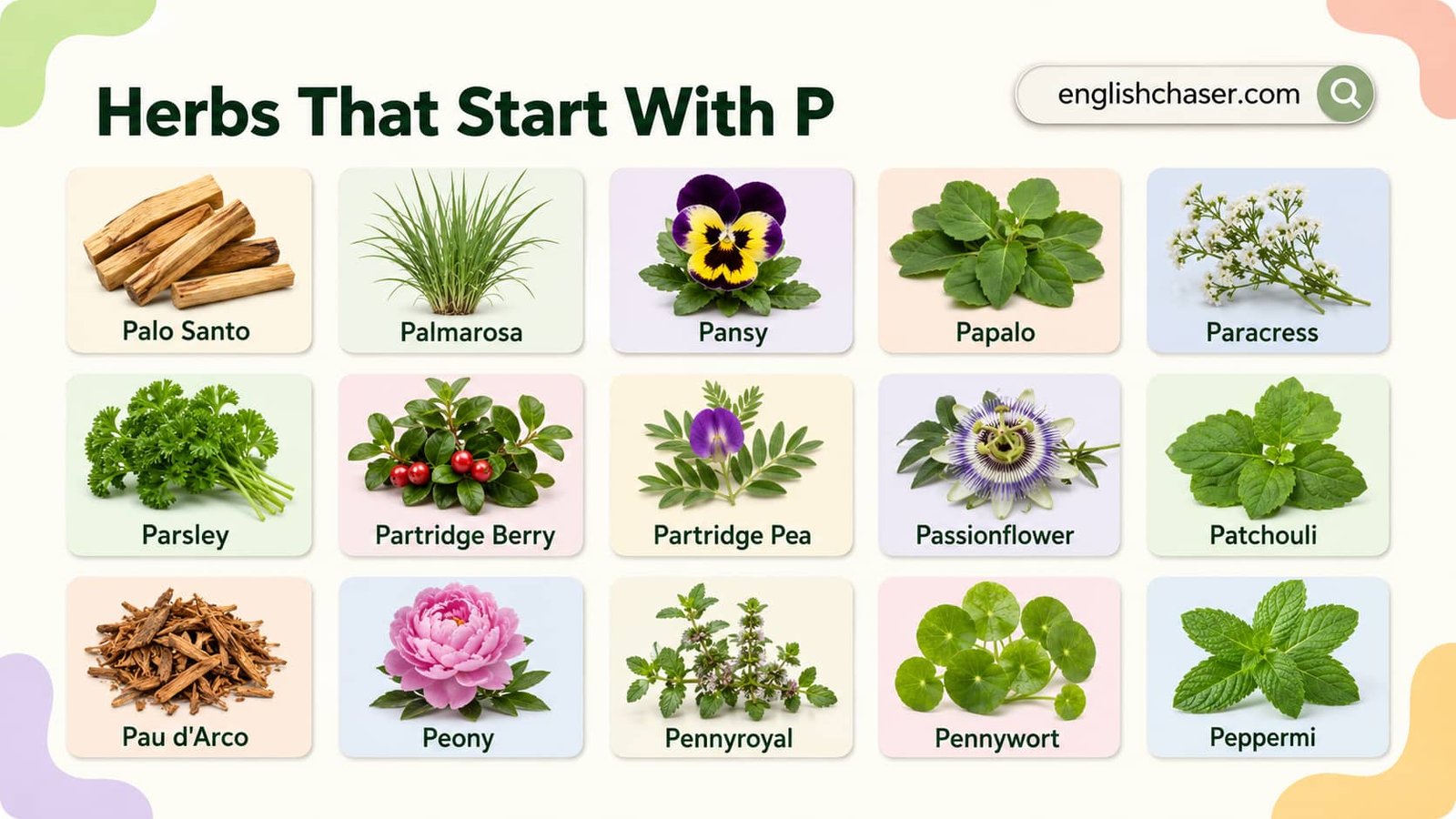

Herbs that start with P include familiar culinary herbs, fragrant plants, and useful herbal varieties for cooking, gardening, and plant identification. This guide provides a clear list of herbs beginning with P, along with helpful details about their flavors, uses, and characteristics. Whether you are identifying a plant, choosing herbs for a recipe, or building your garden, these examples make it easier to find the right herb and understand how it can be used.
What Are Herbs That Start With P?
Herbs that start with P include plants valued for their leaves, flowers, roots, seeds, or aromatic qualities. Their uses range from seasoning food to traditional herbal preparations. The term covers several plant types, including culinary herbs, medicinal herbs, fragrant plants, and traditional botanical ingredients.
List of Herbs That Start With P
The names below cover common and notable P herbs from culinary and herbal contexts. They include plants known for flavor, fragrance, traditional use, or distinctive plant parts.
- Palo Santo
- Palmarosa
- Pansy
- Papalo
- Paracress
- Parsley
- Partridge Berry
- Partridge Pea
- Passionflower
- Patchouli
- Pau d’Arco
- Peony
- Pennyroyal
- Pennywort
- Peppermint
- Perilla
- Peppergrass
- Pepperwort
- Persicaria
- Pichi
- Picrorhiza
- Pigeon Pea
- Pimpernel
- Pineapple Sage
- Pineapple Weed
- Pinkroot
- Pipsissewa
- Pitcher Plant
- Plantain
- Plai
- Plumbago
- Pleurisy Root
- Pokeweed
- Polygala
- Polemonium
- Polypody
- Pot Marigold
- Potentilla
- Prairie Clover
- Prairie Dock
- Prairie Sage
- Prairie Smoke
- Prairie Turnip
- Prickly Ash
- Prickly Comfrey
Herbs That Start With P With Pictures and Explanation
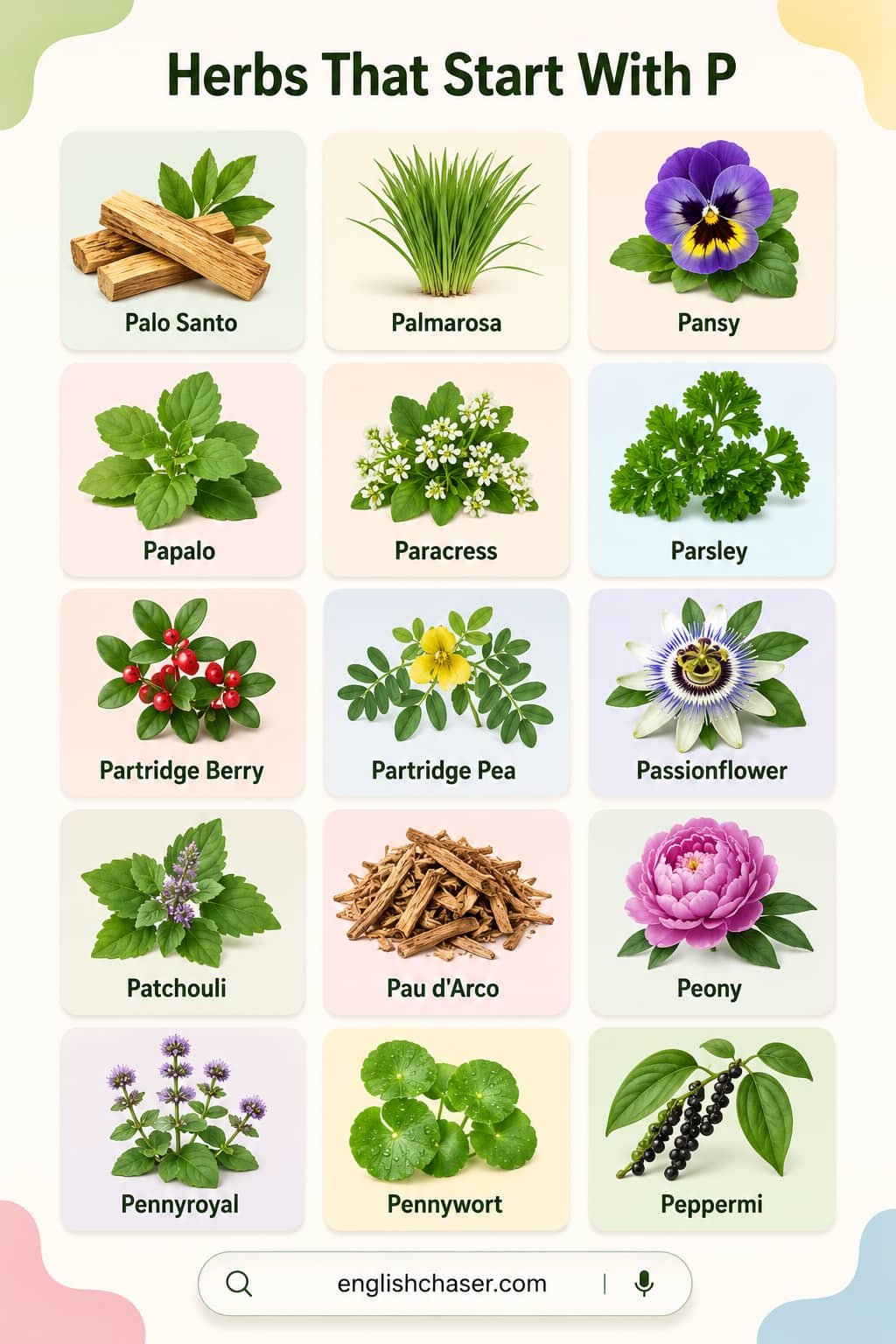
Below are herb begins with p with pictures are as given:
Palo Santo
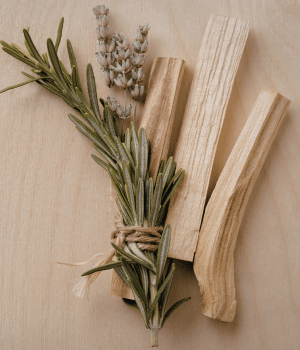
Palo santo is an aromatic tree valued for its fragrant wood. People commonly burn the dried wood as incense or use it for aromatic purposes. However, it is not a standard culinary herb and fits better among traditional aromatic plants.
Palmarosa
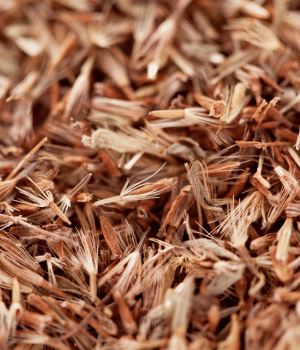
Palmarosa is an aromatic grass with a sweet, rose-like fragrance. Producers distill its leaves and stems to make essential oil, which manufacturers use in perfumes, soaps, and other scented products. It is mainly valued for its fragrance rather than culinary use.
Pansy
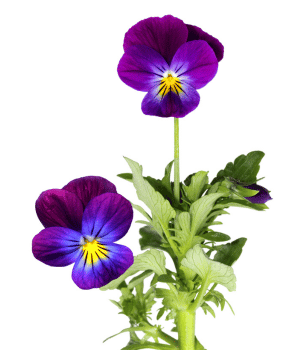
Pansy is a flowering plant with colorful, edible blooms. Cooks use the fresh flowers in salads, desserts, drinks, and garnishes. They can also crystallize the petals for confectionery, adding bright color and a mild, slightly grassy flavor.
Papalo
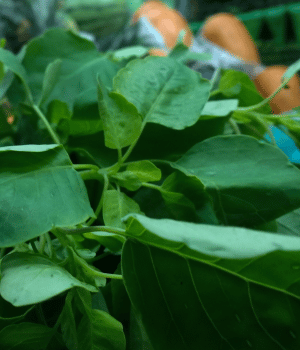
Papalo is a fragrant Mexican herb with broad green leaves. Cooks add its fresh leaves to tacos, sandwiches, salsas, and other dishes. Its strong flavor combines citrusy, peppery, and cilantro-like notes.
Paracress
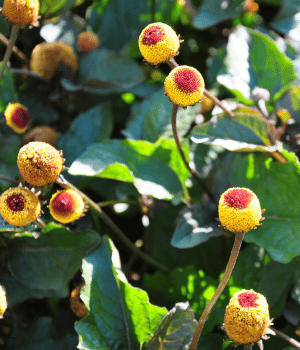
Paracress is an edible tropical herb also known as toothache plant. Cooks use its leaves and flower heads in salads, sauces, and traditional dishes. Small amounts provide a peppery taste followed by a distinctive tingling sensation.
Parsley
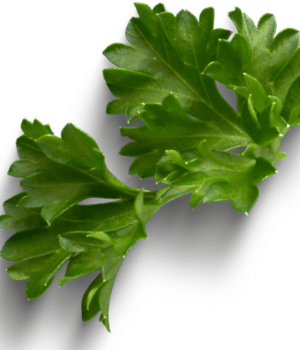
Parsley is a familiar culinary herb with bright green leaves and a fresh aroma. Cooks add it to soups, sauces, salads, meats, and vegetables, while the fresh leaves also work as a garnish. It provides a clean, grassy flavor with mild peppery notes.
Partridge Berry
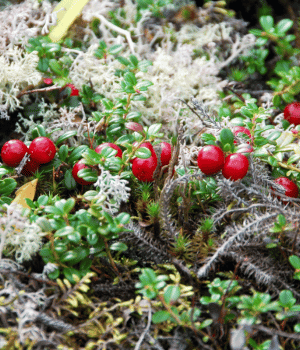
Partridge berry is a low-growing North American plant that produces small paired red berries. Some Indigenous traditions have used its berries and leaves in traditional preparations. However, it is not a common culinary herb or everyday food ingredient.
Partridge Pea
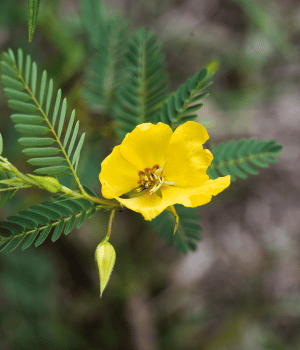
Partridge pea is a North American flowering legume that produces small seeds. Traditional practices have used the plant, while it also serves as forage and wildlife food. However, it is not generally considered a common culinary herb.
Passionflower
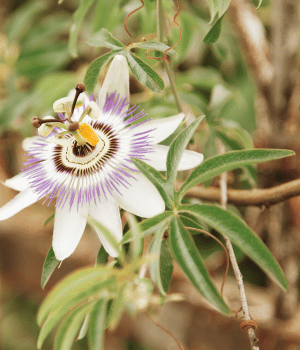
Passionflower is a climbing plant known for its distinctive flowers and traditional herbal uses. People use its leaves and stems in herbal teas and other preparations. It is mainly valued as a traditional herbal plant rather than a culinary seasoning.
Patchouli
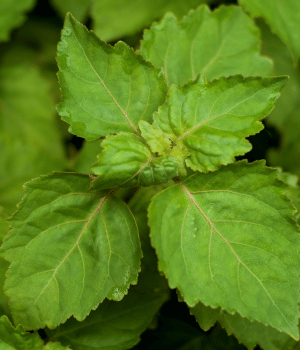
Patchouli is an aromatic mint-family herb with strongly scented leaves. Producers distill its leaves to obtain fragrant oil, which manufacturers use in perfumes, soaps, and scented products. It is valued mainly for its fragrance rather than as a food herb.
Peony
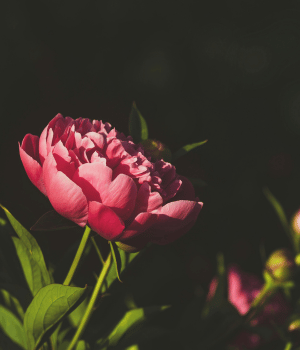
Peony is a flowering plant widely grown for its large ornamental blooms. Some traditional practices use specific species or plant parts in herbal preparations. However, varieties and plant parts differ, so peony should not be treated as a general culinary herb.
Pennyroyal
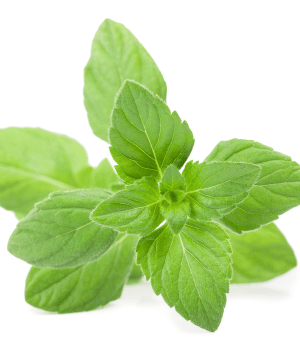
Pennyroyal is an aromatic mint-family herb with a strong minty fragrance. People have historically used its leaves in traditional preparations and as a flavoring. However, its concentrated oil can be toxic, so it should not be used casually as a culinary ingredient.
Pennywort
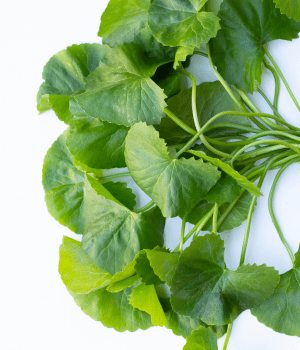
Pennywort is a common name for several plants, including Centella asiatica, which serves as a leafy herb in parts of Asia. Cooks use its fresh leaves in salads, drinks, soups, and traditional dishes. The leaves provide a fresh, grassy, slightly bitter flavor.
Peppermint
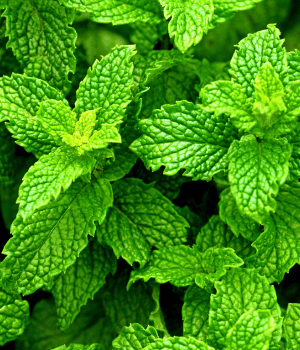
Peppermint is a fragrant mint hybrid with a strong cooling flavor. People use its fresh or dried leaves in teas, desserts, candies, sauces, and beverages. Its distinctive menthol flavor also makes it popular in confectionery and other foods.
Perilla
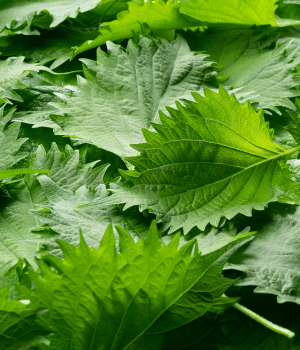
Perilla is an aromatic herb widely used in Japanese, Korean, and other East Asian cuisines. Cooks use its leaves in salads, wraps, pickles, sushi, and garnishes. Its flavor can combine minty, grassy, citrusy, and slightly spicy notes.
Types of Herbs That Start With P
P herbs can be grouped by how people use them and which plant parts matter most. The categories below separate culinary, medicinal, and aromatic plants.
Culinary Herbs Starting With P
Culinary P herbs add flavor, color, aroma, or texture to foods. Some are used fresh, while others are dried, ground, or added during cooking.
- Paprika – Made from dried Capsicum peppers, with sweet, earthy, smoky, or mildly hot flavors.
- Perilla – Used in Japanese and Korean cooking as wraps, seasoning, or garnish.
- Pennyroyal – Has a strong mint-like aroma but is not a common cooking herb.
- Parsley – Adds fresh flavor to salads, soups, sauces, potatoes, and meat dishes.
- Peppermint – Used mainly in teas, desserts, candies, drinks, and flavorings.
- Purslane – An edible herb with crisp, tangy leaves used in salads, soups, and cooked dishes.
Medicinal Herbs Beginning With P
Several P herbs have long histories in traditional herbal systems. Their traditional roles vary widely, so they should not automatically be treated as proven medical treatments.
- Passionflower – A traditional herb associated with relaxation and sleep, with aerial parts used in herbal preparations.
- Pelargonium – Includes herbs with traditional uses, especially Pelargonium sidoides, while other species grow as ornamentals.
- Pleurisy Root – A North American herb traditionally associated with respiratory herbal preparations.
- Prunella – Also called self-heal, with flowering parts used in traditional herbal practices.
- Pipsissewa – A North American evergreen herb with a history of traditional herbal use.
- Plantain – A leafy herb traditionally used in folk herbal practices and unrelated to the banana-like plantain fruit.
Aromatic Herbs Starting With P
Aromatic P herbs contain noticeable scents from their leaves, flowers, or oils. Many are valued for fragrance, flavor, garden appeal, or essential oil production.
- Patchouli – Has a rich, earthy fragrance used in perfumes, incense, and scented products.
- Pineapple Sage – Has fragrant leaves with a sweet pineapple-like aroma and attractive flowers.
- Purple Basil – Has deep purple leaves with a familiar basil aroma and fresh herbal flavor.
- Peppermint – Contains menthol, giving it a refreshing cooling taste and aroma.
Which P Herbs Are Used in Cooking?
Several herbs beginning with P have established culinary roles, especially parsley, perilla, peppermint, purslane, and paprika. Their flavors range from fresh and grassy to sweet, cool, tangy, or spicy.
Below are some common culinary P herbs and ingredients:
- Parsley: Fresh, green flavor for sauces, salads, soups, and garnishes.
- Paprika: Ground pepper spice used for color, warmth, and savory flavor.
- Perilla: Aromatic leaves used in Japanese and Korean dishes.
- Peppermint: Cooling flavor used mainly in sweets, teas, and drinks.
- Purslane: Tangy succulent leaves used raw or cooked.
- Pineapple Sage: Fragrant leaves sometimes used in beverages, desserts, and fresh dishes.
- Purple Basil: Sweet, aromatic basil used in salads, sauces, and garnishes.
- Paracress: Peppery leaves sometimes used in salads and specialty dishes.
Herbs That Start With P: Quick Reference Table of Uses and Plant Types
A quick table makes the main details of P herbs easier to compare. The chart below covers their types, commonly used parts, and typical roles.
| Herb | Typical Use |
|---|---|
| Paprika | Seasoning and cooking |
| Parsley | Salads, sauces, and garnish |
| Passionflower | Traditional herbal preparations |
| Patchouli | Fragrance and essential oil |
| Pennyroyal | Traditional herbal use |
| Perilla | Asian cooking and garnishing |
| Peppermint | Tea, flavoring, and desserts |
| Pineapple Sage | Beverages and cooking |
| Plantain | Traditional herbal preparations |
| Pleurisy Root | Traditional herbal use |
| Prunella | Traditional herbal preparations |
| Purple Basil | Salads, sauces, and garnishes |
| Purslane | Salads and cooked dishes |
| Pycnanthemum | Fragrance and herbal use |
| Pipsissewa | Traditional herbal use |
FAQs About Herbs That Start With P
Common P herbs include parsley, peppermint, perilla, purslane, passionflower, patchouli, pineapple sage, and purple basil.
Passionflower is a well-known herb beginning with P that has a long history of traditional herbal use.
Parsley, paprika, perilla, peppermint, purslane, pineapple sage, and purple basil have culinary uses in different foods and drinks.
Passionflower, Prunella, Pleurisy root, plantain, pipsissewa, and pot marigold have histories of traditional herbal use.
Takeaway
Herbs beginning with P include culinary plants, aromatic herbs, edible greens, and plants used in traditional herbal practices. Parsley, perilla, peppermint, patchouli, passionflower, and purslane represent some of the most recognizable names.
Knowing the differences between their plant parts and common roles makes P herb names easier to understand and discuss.
Read more