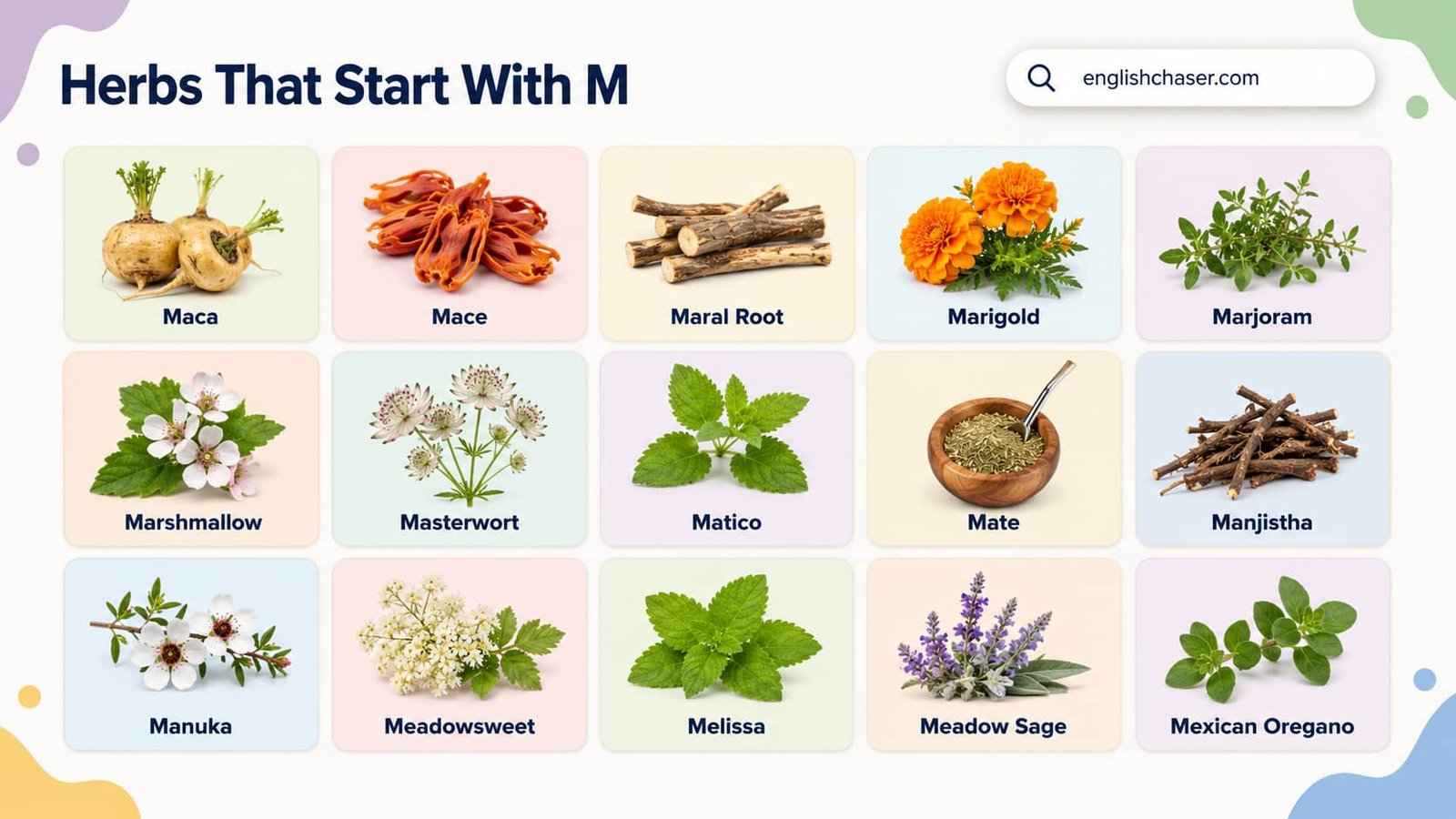

Herbs That Start With M include culinary herbs, aromatic plants, and traditional herbal plants used across many regions. Marjoram, mint, mugwort, moringa, and mitsuba are among the better known names. Other M herbs have specific roles in cooking, teas, traditional practices, or plant-based preparations.
Learning these names helps readers understand herb labels, recipes, gardens, and food descriptions. In this article, Herbs That Start With M are explained with pictures, uses, types, and cuisine-based examples.
What Are Herbs That Start With M?
Herbs that start with M are herb names beginning with the letter M. They include leafy seasonings, aromatic plants, edible flowers, and traditional herbs.
Some are common kitchen herbs, while others belong mainly to herbal traditions. Their forms and uses vary widely between regions.
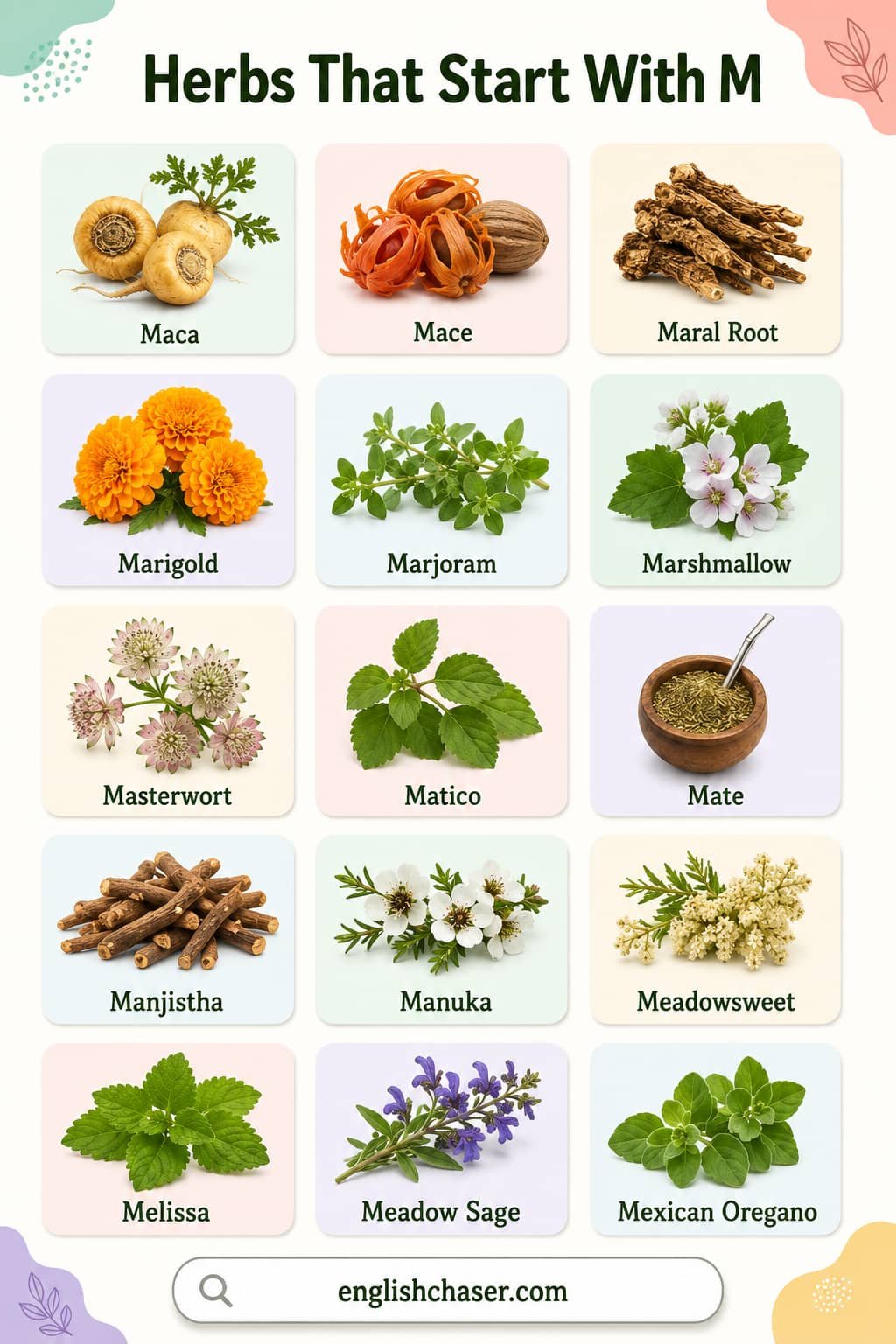
List of Herbs That Start With M
M herbs range from familiar kitchen seasonings to less common plants used traditionally. Below is a list of notable herbs beginning with M, with their common uses and characteristics.
- Maca
- Mace
- Maral Root
- Marigold
- Marjoram
- Marshmallow
- Masterwort
- Matico
- Mate
- Manjistha
- Manuka
- Meadowsweet
- Melissa
- Meadow Sage
- Mexican Oregano
- Mexican Tarragon
- Mexican Mint Marigold
- Mexican Wormwood
- Milk Thistle
- Milk Parsley
- Milkwort
- Mint
- Monarda
- Motherwort
- Mother-of-Thyme
- Mountain Mint
- Mountain Savory
- Mountain Tea
- Mugwort
- Mullein
- Mustard
- Myoga
- Myrrh
- Myrtle
- Musk Mallow
- Musk Basil
- Malva
- Moringa
- Mexican Hyssop
- Mexican Bush Sage
Herbs That Start With M With Pictures and Explanation
Pictures can make unfamiliar herb names easier to identify, especially when several plants have similar leaves. The following M herb descriptions focus on appearance, flavor, plant type, and common culinary or traditional use.
Maca
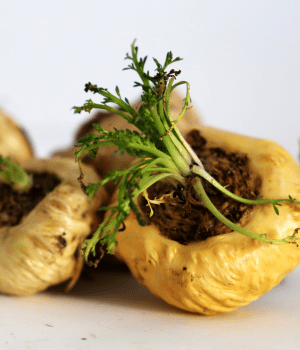
Maca is a herbaceous plant native to the Andes and is best known for its edible root. First, people traditionally dry and grind the root into a powder. Then, they add the powder to drinks, porridges, baked goods, and other foods. As a result, maca provides an earthy, malty flavor with a slightly nutty taste.
Mace
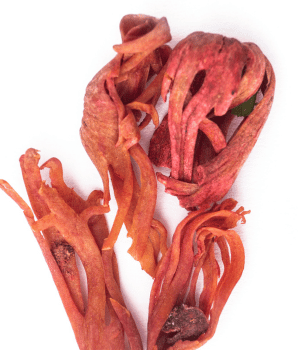
Mace is an aromatic spice made from the dried outer covering of the nutmeg seed. First, producers separate the mace from the nutmeg seed and dry it. Next, cooks use it whole or ground in baked goods, sauces, soups, and spice blends. As a result, mace offers a warm, sweet, and slightly peppery flavor.
Marjoram
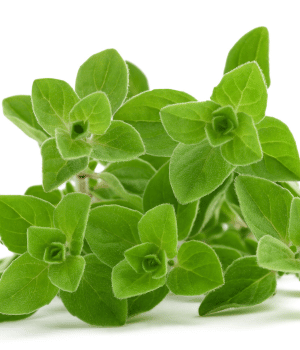
Marjoram is a fragrant herb from the mint family with small, soft leaves. First, cooks use fresh or dried marjoram in soups, sauces, meats, vegetables, and stuffing. Then, they add it toward the end of cooking to preserve its delicate aroma. Consequently, marjoram provides a mild, sweet, and slightly earthy flavor.
Marigold
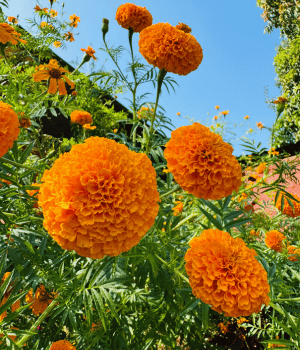
Marigold commonly refers to several flowering plants, including calendula and Tagetes species. First, cooks use certain edible marigold flowers and petals in salads, teas, desserts, and as garnishes. Next, they add the petals to dishes for color and aroma. As a result, edible marigold varieties can provide a mildly citrusy, floral, or slightly bitter flavor depending on the species.
Marshmallow
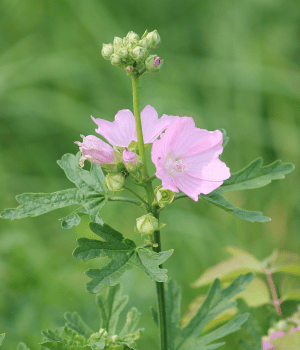
Marshmallow is a perennial herb traditionally known for its soft, mucilaginous roots and leaves. First, people historically used parts of the plant in herbal preparations. Then, the plant’s root became associated with the early versions of marshmallow confectionery. As a result, marshmallow herb has a mild flavor and a naturally mucilaginous texture.
Matico
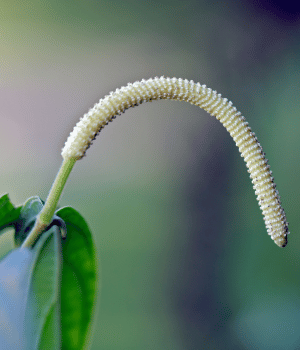
Matico is a South American aromatic plant traditionally associated with herbal preparations. First, people have used its leaves in traditional herbal practices and infusions. Next, some communities prepare the leaves as a tea. As a result, matico has a distinctive herbal aroma and is better known as a traditional medicinal herb than a culinary seasoning.
Mate
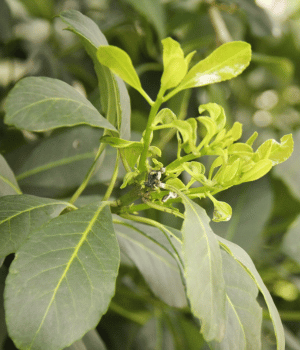
Mate, also called yerba mate, is a South American beverage herb made from the dried leaves and stems of Ilex paraguariensis. First, producers dry and process the leaves and stems. Then, people steep them in hot water to prepare the traditional mate drink. As a result, mate has an earthy, grassy, and slightly bitter flavor.
Meadowsweet
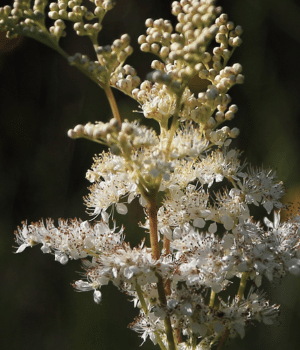
Meadowsweet is a fragrant flowering herb with creamy-white flowers and a sweet aroma. First, people traditionally use the flowers and leaves in herbal infusions. Then, some cooks use the flowers to add fragrance to beverages and desserts. Consequently, meadowsweet provides a sweet, floral aroma with a slightly almond-like character.
Melissa
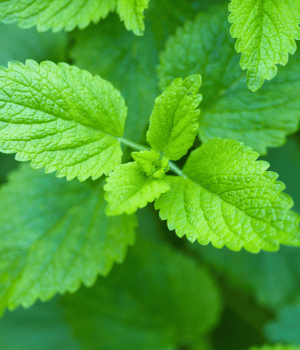
Melissa, commonly known as lemon balm, is a fragrant herb from the mint family. First, people use the fresh or dried leaves to prepare herbal teas. Next, cooks add the leaves to salads, desserts, fruit dishes, and beverages. As a result, melissa provides a refreshing lemon-like aroma with a mild minty flavor.
Milk Thistle
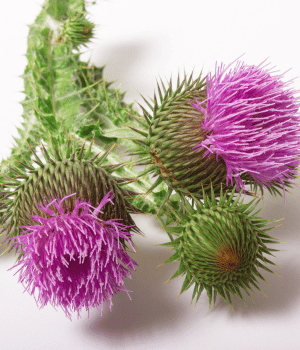
Milk thistle is a flowering herb recognized by its spiny leaves with distinctive white markings. First, people primarily use its seeds and other parts in traditional herbal preparations. Then, producers may process the seeds into powders or extracts. As a result, milk thistle is better known as an herbal plant than as a common culinary herb.
Mint
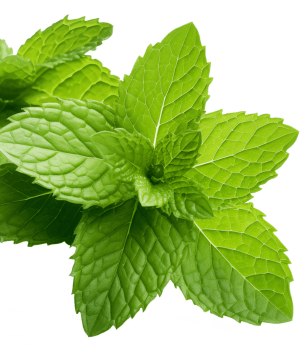
Mint is a fragrant herb with numerous varieties, including spearmint and peppermint. First, cooks use fresh or dried mint in teas, salads, sauces, desserts, and savory dishes. Next, they add fresh leaves as a garnish or flavoring. As a result, mint provides a refreshing flavor with a cool, aromatic finish.
Monarda
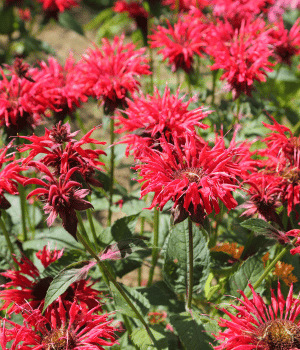
Monarda, commonly called bee balm, is an aromatic flowering herb native to North America. First, people use the leaves and flowers to prepare herbal teas and other beverages. Next, cooks can add certain edible varieties to salads, desserts, and garnishes. Consequently, monarda can provide citrusy, minty, or oregano-like flavors depending on the species.
Motherwort
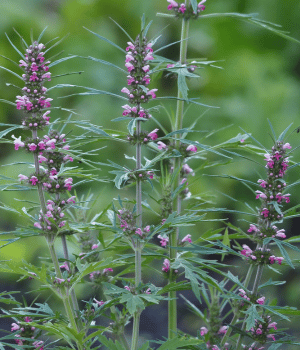
Motherwort is a perennial herb from the mint family with serrated leaves and small flowers. First, traditional herbal practices use its aerial parts in teas and other preparations. However, motherwort is not commonly used as a culinary seasoning. Therefore, it is better classified as a traditional medicinal herb rather than an everyday cooking herb.
Mugwort
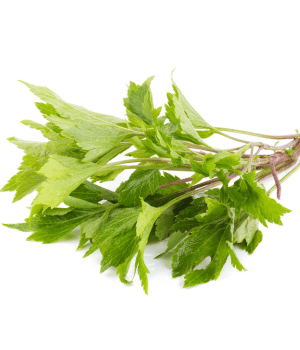
Mugwort is an aromatic herb from the Artemisia genus with a long history in Asian and European traditions. First, cooks in some regions use young leaves as a culinary herb or flavoring. Next, people may add the leaves to rice dishes, dumplings, soups, and herbal preparations. As a result, mugwort provides a distinctive earthy, bitter, and aromatic flavor.
Types of Herbs That Start With M
M herbs can be grouped by their plant form and typical uses. Some work well in everyday cooking, while others serve mainly as aromatic or traditional herbs.
Culinary Herbs
Culinary M herbs commonly season foods and drinks. In addition, their leaves, flowers, or other edible parts can add distinct flavors and aromas.
Marjoram, mint, mitsuba, Mexican oregano, Mexican tarragon, and myrtle fit into this group.
Aromatic Herbs
Aromatic herbs release noticeable scents from their leaves, flowers, or other plant parts. For example, their aromas can range from cool and minty to sweet, earthy, or spicy.
Mint, mountain mint, monarda, mugwort, and myrtle are notable aromatic M herbs.
Traditional Herbal Plants
Some M herbs have stronger connections to traditional herbal practices than to everyday cooking. However, their historical uses vary across cultures and plant species.
Mullein, motherwort, marshmallow, meadowsweet, milk thistle, and matico belong mainly to this category.
Herbs Starting With M Used in Different Cuisines
M herbs appear in many food traditions, although their roles vary by region. Below, you can see some important cuisine groups and the herbs commonly associated with them.
Mediterranean Herb Choices
Mediterranean cooking uses several fragrant M herbs, especially those that complement vegetables, meats, beans, and sauces.
For instance, cooks commonly use marjoram in Mediterranean-style seasoning. Similarly, myrtle has culinary traditions in parts of Italy and other Mediterranean regions.
Mexican Herb Choices
Mexican cooking uses aromatic herbs to build flavor in beans, meats, soups, sauces, and vegetable dishes.
In particular, Mexican oregano stands out as an important M herb. Additionally, cooks use it in selected regional dishes and drinks.
Asian Herb Choices
Asian cuisines include several M herbs with distinctive flavors and traditional culinary roles. For example, Japanese cooking uses mitsuba as a fresh aromatic herb.
Mitsuba works well in soups, rice dishes, steamed foods, and salads. Meanwhile, cooks use mugwort in selected Japanese and Korean traditional foods.
Which M Herbs Are Used in Cooking?
Several herbs beginning with M have direct culinary roles, while others are mainly associated with traditional herbal use. Below is a cooking-focused chart of the most useful names.
| M Herb | Common Culinary Uses | Flavor Profile |
|---|---|---|
| Marjoram | Soups, meats, vegetables, sauces | Sweet, earthy, mild |
| Mint | Drinks, salads, sauces, desserts | Cool, fresh, sweet |
| Mitsuba | Soups, rice dishes, salads | Fresh, celery-like, herbal |
| Mexican Oregano | Beans, chili, soups, meats | Earthy, citrusy, peppery |
| Mexican Tarragon | Sauces, poultry, vegetables | Sweet, anise-like |
| Myrtle | Meat dishes, sauces, Mediterranean foods | Aromatic, slightly bitter |
| Moringa | Soups, stews, cooked greens | Mild, green, earthy |
| Mugwort | Selected traditional foods | Bitter, aromatic |
| Monarda | Herbal drinks, salads, selected dishes | Minty, citrus-like |
| Mountain Mint | Herbal drinks and selected foods | Strong, minty, sharp |
FAQs About Herbs That Start With M
Common culinary herbs starting with M include marjoram, mint, mitsuba, Mexican oregano, Mexican tarragon, myrtle, and moringa.
Herbs that start with M include Marjoram, Mint, Mugwort, Moringa, Mitsuba, Mexican Oregano, Mexican Tarragon, Myrtle, Monarda, Mullein, Motherwort, and Meadowsweet.
A broader list includes Maca, Mace, Marjoram, Marigold, Marshmallow, Matico, Mate, Meadowsweet, Melissa, Milk Thistle, Mint, Monarda, Motherwort, Moringa, Mugwort, Mullein, and Myrtle.
Mint is one of the most commonly used M herbs. It appears in drinks, salads, sauces, desserts, and many savory dishes.
Takeaway
Herbs that start with M include familiar culinary plants and less common traditional herbs. Marjoram, mint, mitsuba, Mexican oregano, and myrtle are especially useful names for cooking contexts.
Pictures can help learners connect unfamiliar names with their leaves, flowers, and overall plant form. Knowing the plant type and common use also makes herb names easier to understand in recipes and food descriptions.
Read more