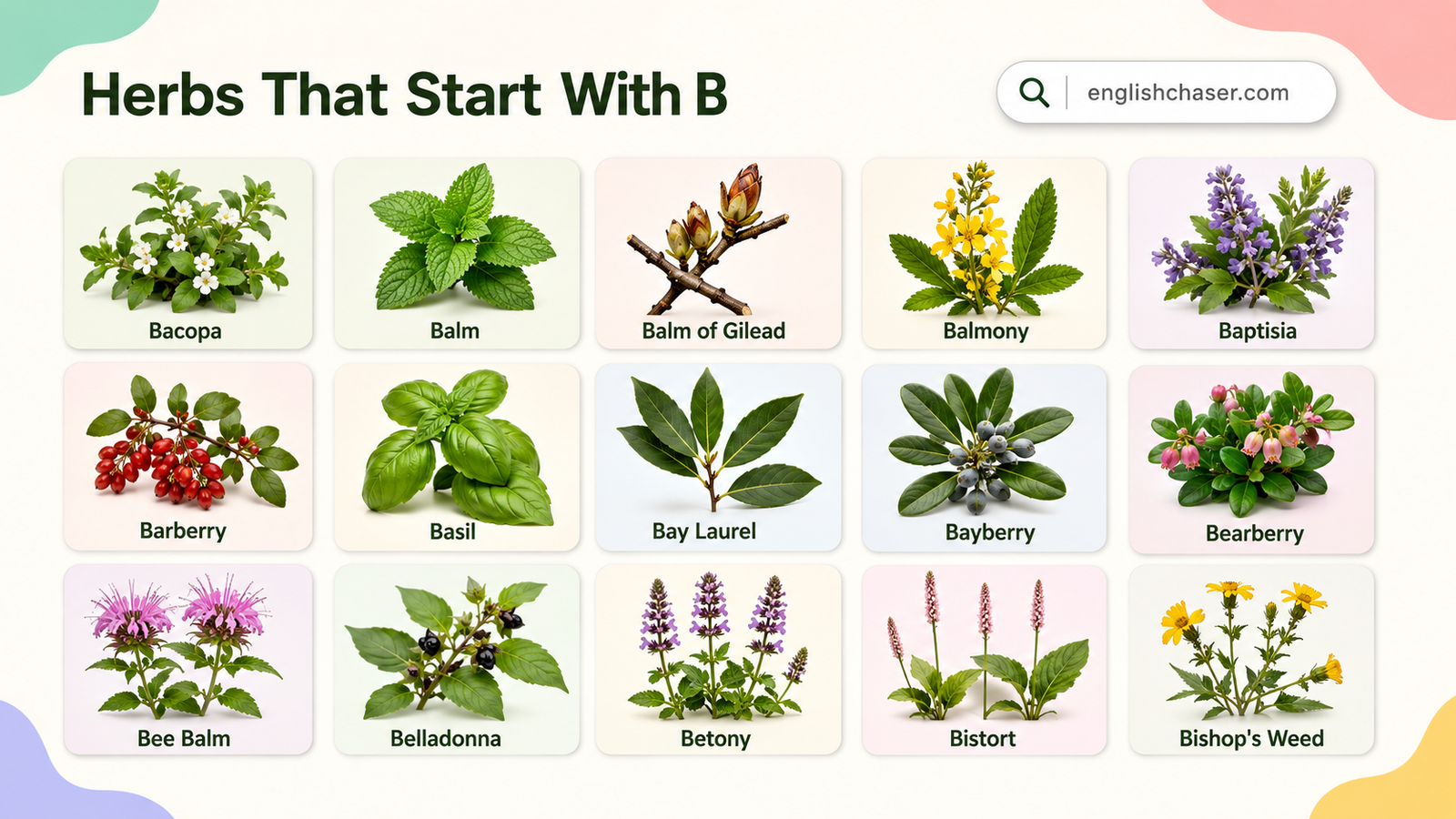

Herbs That Start With B include culinary herbs, aromatic plants, and traditional herbal plants with distinct leaves, flowers, seeds, or roots. Basil is widely used in cooking, while borage, bee balm, betony, burnet, and boneset represent other recognized herb names. Learning their names also helps readers understand how herbs differ by plant part, flavor, and traditional use.
Herbs That Start With B through names, descriptions, cuisine uses, and pictures. Knowing these herb names can help when reading recipes, studying plants, or identifying ingredients in gardens and food markets.
What herb starts with B?
Herbs beginning with B include plants used for flavoring, fragrance, traditional herbal practices, or edible leaves and flowers. Their forms vary widely, from soft leafy plants to flowering perennial herbs.
Some B herbs are common kitchen ingredients, while others are mainly known as traditional or medicinal herbs. Their uses depend on the plant species and the part used.
List of Herbs That Start With B
Many herb names begin with B, covering culinary, aromatic, medicinal, and traditional plants. Below is a comprehensive list of recognized B herb names from different plant traditions.
- Bacopa
- Balm
- Balm of Gilead
- Balmony
- Baptisia
- Barberry
- Basil
- Bay Laurel
- Bayberry
- Bearberry
- Bee Balm
- Belladonna
- Betony
- Bistort
- Bishop’s Weed
- Bitterroot
- Bitter Vetch
- Black Cohosh
- Black Cumin
- Black Horehound
- Black Mustard
- Black Pepper
- Black Snakeroot
- Bladderwrack
- Blessed Thistle
- Bloodroot
- Blue Cohosh
- Blue Flag
- Blue Lotus
- Blue Vervain
- Blue Violet
- Boldo
- Bog Bean
- Bog Myrtle
- Bog Rosemary
- Boneset
- Borage
- Brahmi
- Buchu
- Bugleweed
Herbs That Start With B With Pictures and Explanation
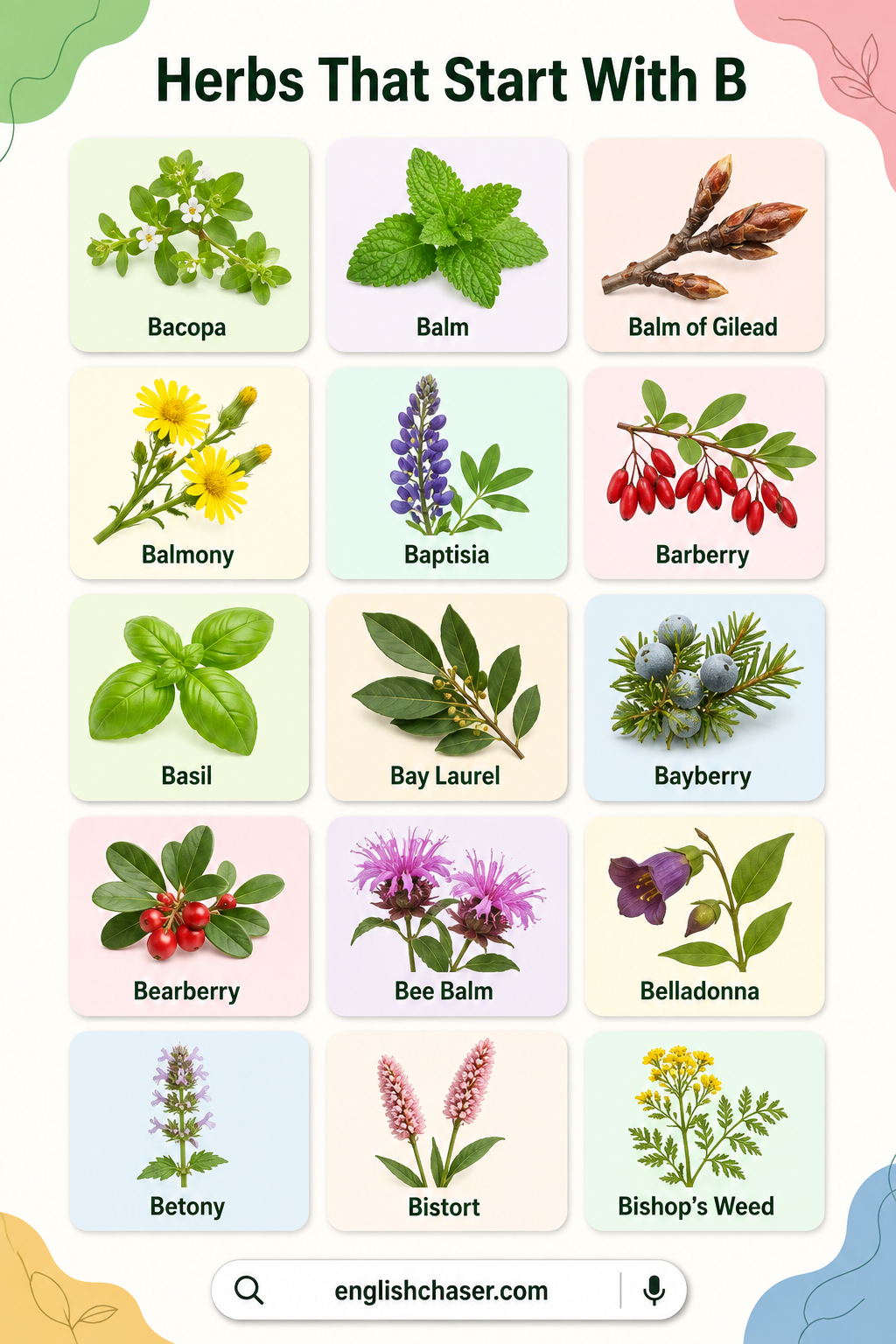
Pictures make plant names easier to connect with their leaves, flowers, seeds, and overall form. The descriptions below focus on recognized B herbs and their main culinary or traditional associations.
Balm
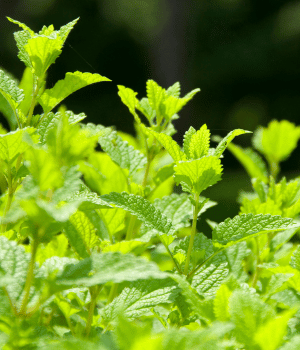
Balm is a common name for several aromatic herbs, especially mint-family plants. First, people use certain balm species in herbal teas, culinary preparations, and traditional remedies. In addition, cooks can add fresh leaves to drinks or dishes for a mild, refreshing aroma. Therefore, the exact flavor and use depend on the balm species.
Balm of Gilead
Balm of Gilead describes several fragrant plants, including certain poplars and balsam-producing species. Traditionally, people used their buds or resins in aromatic preparations. However, the name does not identify one specific culinary herb. Therefore, Balm of Gilead fits better among traditional aromatic plants than everyday cooking herbs.
Baneberry
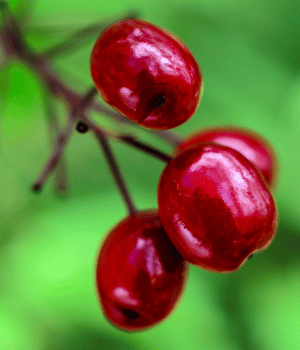
Baneberry refers to several Actaea plants that produce distinctive berries. Historically, people used some species in traditional herbal practices. However, their berries and other parts can contain toxic compounds. Therefore, people should never treat baneberry as an edible culinary herb.
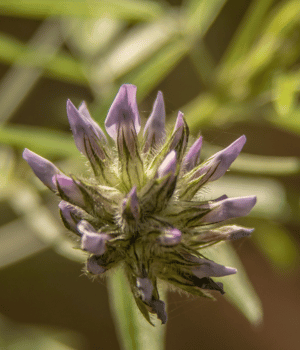
Baptisia
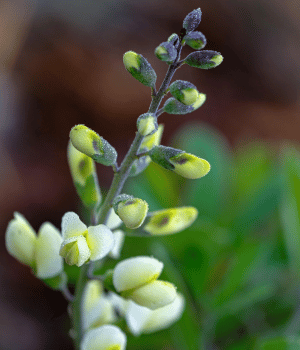
Baptisia, commonly called false indigo, includes flowering plants native to North America. Historically, some species played a role in traditional herbal practices. However, Baptisia does not serve as a standard culinary herb, and some species can prove toxic when eaten. Therefore, people should not use it as a food ingredient.
Barberry
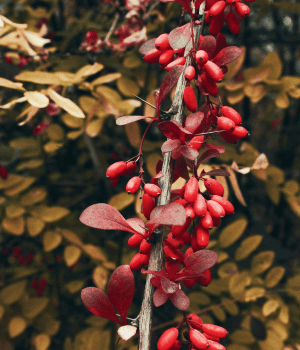
Barberry is a shrub that produces small, tart berries used in several culinary traditions. First, cooks add fresh or dried berries to rice dishes, sauces, jams, and other foods. In addition, they use the berries to provide bright acidity. As a result, barberry gives dishes a sharp, sour, and slightly fruity flavor.
Basil
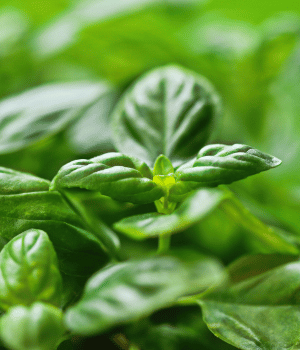
Basil is a fragrant mint-family herb with soft green leaves. First, cooks use fresh basil in sauces, salads, pasta, soups, and sandwiches. They can also dry the leaves for seasoning or combine them with garlic and olive oil. As a result, basil adds a sweet, peppery, and aromatic flavor.
Bayberry
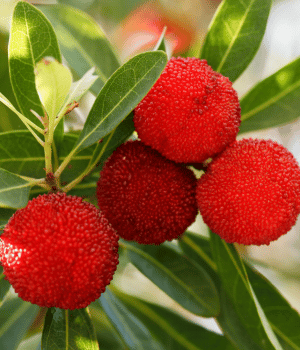
Bayberry refers to several aromatic shrubs, particularly plants in the Myrica or Morella groups. Depending on the species and region, people may use the berries, leaves, or other parts in traditional preparations. However, culinary uses vary considerably. Therefore, readers should identify the exact species before using bayberry as a food ingredient.
Bay Laurel
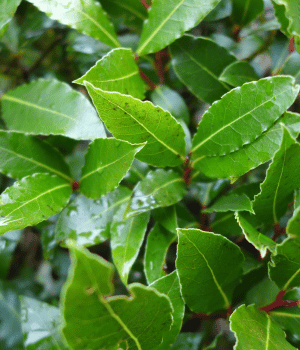
Bay laurel is an evergreen herb whose aromatic leaves add flavor to many dishes. First, cooks place whole fresh or dried leaves in soups, stews, sauces, stocks, and braised foods. Then, they remove the leaves before serving because the firm texture makes them unpleasant to eat. Consequently, bay laurel adds a subtle woody, herbal, and slightly bitter aroma.
Bearberry
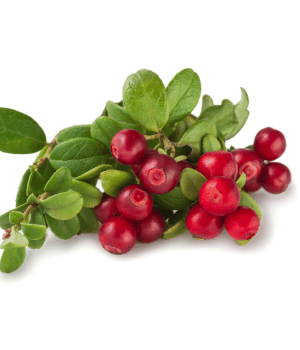
Bearberry is a low-growing evergreen plant also known as uva-ursi. Traditionally, some Indigenous and other cultures used its leaves and berries for various purposes. However, people do not commonly use bearberry as an everyday cooking herb. Therefore, it fits better within traditional herbal plants than standard culinary herbs.
Bee Balm
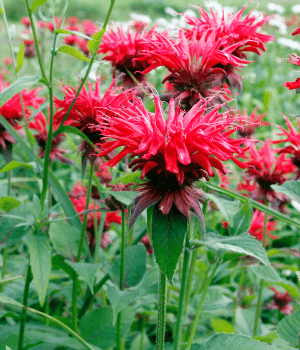
Bee balm is an aromatic North American herb from the Monarda genus. First, people use its leaves and flowers to make herbal teas and flavored drinks. In addition, cooks can add certain edible varieties to salads, desserts, and garnishes. As a result, bee balm can provide minty, citrusy, or oregano-like flavors depending on the species.
Betony
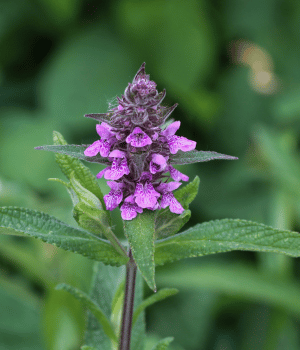
Betony is a traditional mint-family herb with aromatic leaves and flowering stems. Historically, people used its leaves and aerial parts in herbal preparations and teas. In addition, some European traditions used betony as a flavoring. However, modern cooks rarely use it, and its flavor tends to taste bitter and aromatic.
Bistort
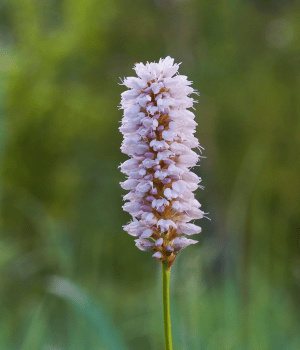
Bistort is a perennial buckwheat-family herb with edible leaves and roots in some traditional cuisines. First, people can cook young leaves as a vegetable or add them to soups and other dishes. They may also prepare the root using traditional methods. As a result, bistort offers a slightly bitter, earthy flavor that becomes milder after cooking.
Bitterroot
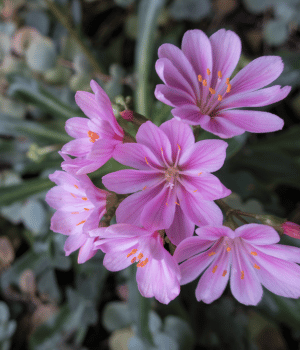
Bitterroot is a North American flowering plant with a fleshy root that some Indigenous peoples traditionally used as food. First, people harvest and process the root before eating it. They then cook or prepare it using traditional methods to reduce its strong bitterness. As a result, bitterroot has a distinctly bitter flavor and remains better known as a traditional wild food than an everyday culinary herb.
Herbs Starting With B Used in Different Cuisines
B herbs appear in many food traditions, especially when their leaves, seeds, roots, or flowers provide distinctive flavors. Culinary use differs by culture, so plant identity and preparation matter.
Mediterranean and European Cooking
European cuisines use several B herbs in salads, sauces, soups, baked dishes, and seasoning blends.
- Basil
- Bay Leaf
- Borage
- Burnet
- Bistort
- Black Mustard
Basil is especially common in Mediterranean dishes, including tomato sauces, salads, pesto, and herb mixtures.
Bay Leaf is often added to soups, stews, stocks, and slow-cooked sauces for a deep herbal aroma.
African Food Traditions
Several B herbs and leafy plants have important culinary roles in African cuisines.
- Bitterleaf
- Basil
- Bush Basil
- Buchu
Bitterleaf is especially associated with West and Central African cooking. The leaves are commonly washed, cooked, or added to soups.
East Asian Cooking
Several B herbs or herbaceous plants are used as vegetables, spices, teas, or flavoring ingredients.
- Burdock
- Black Mustard
- Black Cumin
- Basil
- Butterfly Pea
Burdock root is widely used in Japanese cuisine, where it is known as gobo and commonly appears in cooked vegetable dishes.
South Asian Cooking
Basil relatives, mustard, black cumin, and other aromatic plants occur in South Asian culinary traditions.
- Basil
- Black Cumin
- Black Mustard
- Bay Leaf
- Butterfly Pea
Black Cumin seeds are used as a spice in breads, curries, pickles, and regional seasoning mixtures.
Southeast Asian Cooking
Basil varieties have an important place in Southeast Asian cooking, especially Thai and Vietnamese food traditions.
- Basil
- Thai Basil
- Holy Basil
- Butterfly Pea
- Bay Leaf
Basil varieties differ in flavor, so sweet basil, Thai basil, and holy basil should not be treated as identical herbs.
Herbs That Start With B: Types, Uses, and Parts
A short reference table can make the main differences easier to compare. The table below focuses on plant type, commonly used parts, and culinary status.
| Herb | Plant Type | Commonly Used Part | Culinary Use |
|---|---|---|---|
| Basil | Leafy herb | Leaves | High |
| Bay Leaf | Woody aromatic plant | Leaves | High |
| Bee Balm | Flowering perennial | Leaves and flowers | Moderate |
| Betony | Perennial herb | Leaves and flowering parts | Traditional |
| Bistort | Perennial herb | Leaves and rhizome | Moderate |
| Blessed Thistle | Annual herb | Leaves and flowering tops | Traditional |
| Blue Vervain | Perennial herb | Aerial parts | Traditional |
| Boneset | Perennial herb | Leaves and flowering parts | Traditional |
| Borage | Flowering herb | Leaves and flowers | Moderate |
| Brazilian Pepper | Woody aromatic plant | Berries | Limited |
| Broadleaf Plantain | Herbaceous perennial | Leaves | Traditional |
| Buchu | Aromatic shrub | Leaves | Traditional |
| Bugleweed | Perennial herb | Aerial parts | Traditional |
| Burdock | Herbaceous perennial | Root | High in regional cuisines |
| Burnet | Perennial herb | Leaves | Moderate |
| Butterfly Pea | Climbing herbaceous plant | Flowers | Moderate |
| Black Cohosh | Perennial herb | Rhizomes and roots | Traditional |
| Black Horehound | Perennial herb | Leaves and flowering parts | Traditional |
| Black Mustard | Annual herb | Seeds and leaves | High |
| Black Cumin | Seed-producing herb | Seeds | High |
FAQs About Herbs That Start With B
Common herbs starting with B include basil, bay leaf, bee balm, borage, betony, bistort, boneset, burdock, burnet, and black mustard.
Basil is one of the most common B herbs. It is widely used in sauces, salads, pesto, soups, and many cooked dishes.
Basil, bay leaf, borage, burnet, black mustard, black cumin, bitterleaf, and burdock are among the B herbs used in cooking.
No. Some B herbs are used mainly in traditional herbal practices. Always confirm a plant’s identity and edibility before consuming it.
Medicinal herbs starting with B include betony, boneset, buchu, burdock, black cohosh, blue vervain, bloodroot, and blue cohosh.
Takeaway
Herbs That Start With B include familiar culinary herbs such as basil and bay leaf, along with traditional plants such as betony, boneset, and blue vervain. Borage, burnet, burdock, black mustard, and butterfly pea add further variety.
For cooking, basil, bay leaf, black cumin, black mustard, bitterleaf, and burdock are especially useful names to recognize. Pictures and short descriptions can help connect each name with its plant form and common use.
Read more