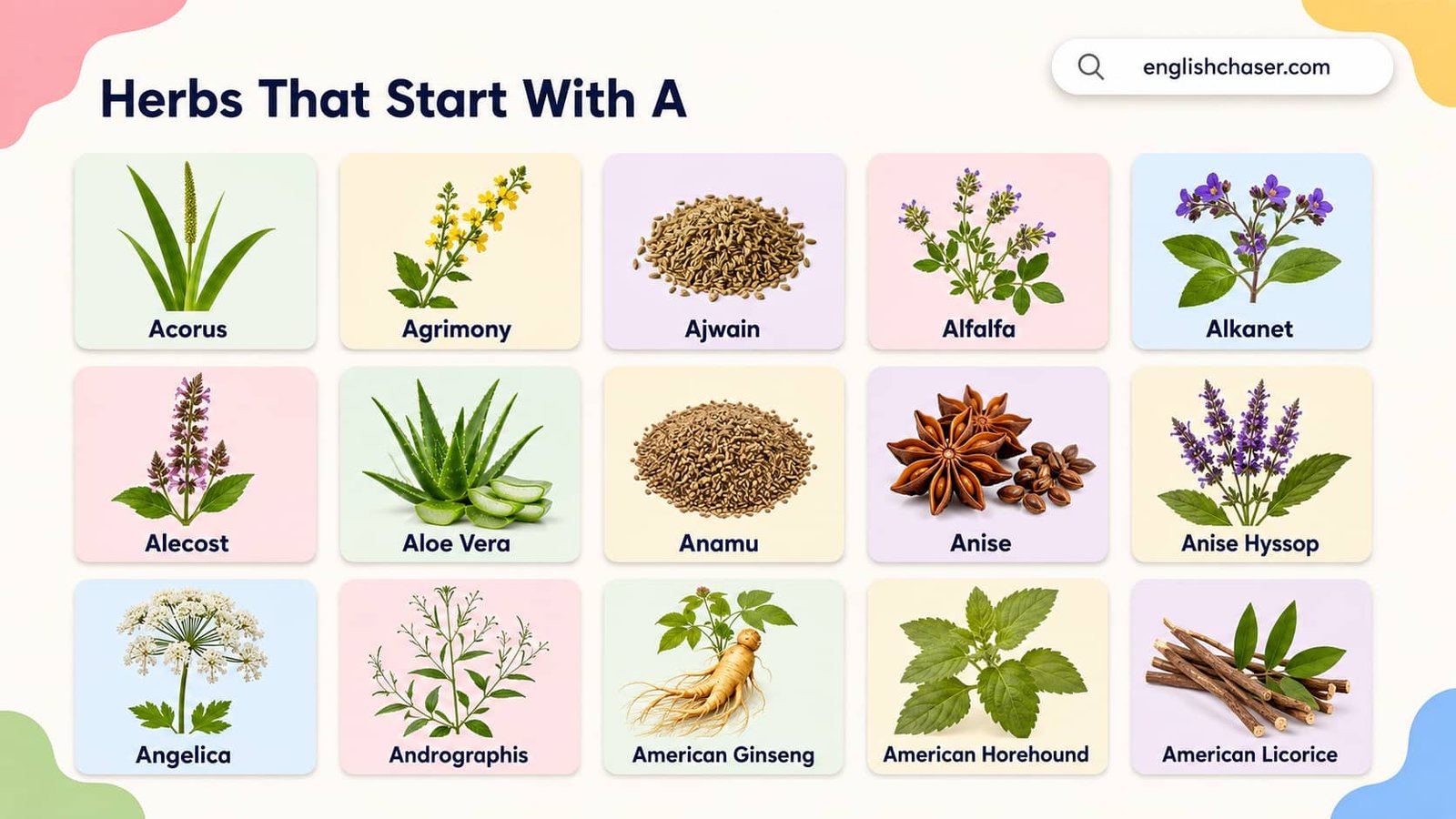

Herbs That Start With A include culinary herbs, aromatic plants, medicinal herbs, and traditional botanical herbs. Names such as ajwain, anise, and angelica are familiar in kitchens, while arnica, andrographis, and American skullcap belong mainly to herbal traditions. Knowing these plant names helps readers understand their uses, flavors, parts, and common classifications.
Herbs That Start With A with pictures, descriptions, and useful categories. It also explains which A herbs appear in cooking and how their names relate to food, gardening, and herbal studies.
What Are Herbs That Start With A?
Herbs beginning with A include plants used for flavoring, fragrance, traditional preparations, or botanical study. Their leaves, seeds, roots, flowers, and stems can have very different characteristics.
Some are common kitchen herbs, while others belong mainly to traditional herbal practices. The section below introduces important herb names beginning with A.
List of Herbs That Start With A
Herbs beginning with A come from many plant families and regions. Below is a broad list of recognized herb names, including culinary, aromatic, medicinal, and traditional herbs.
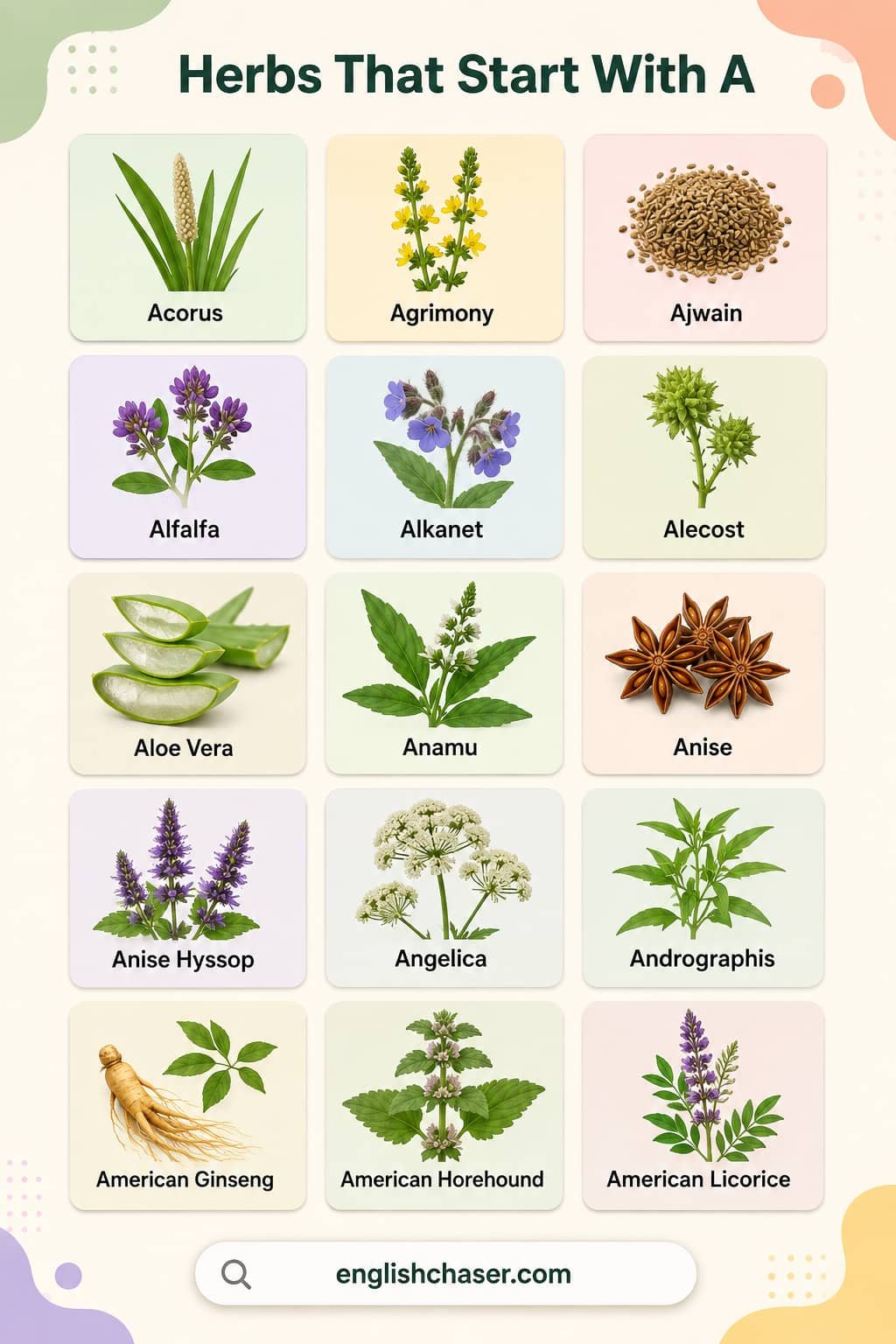
- Acorus
- Agrimony
- Ajwain
- Alfalfa
- Alkanet
- Alecost
- Aloe Vera
- Anamu
- Anise
- Anise Hyssop
- Angelica
- Andrographis
- American Ginseng
- American Horehound
- American Licorice
- American Pennyroyal
- American Skullcap
- American Spikenard
- American Vervain
- Arrowleaf Balsamroot
- Arnica
- Ashwagandha
- Asiatic Pennywort
- Atractylodes
- Aucklandia
- Avens
- Aztec Sweet Herb
- Alligator Pepper
- Artemisia
- African Basil
- Anise Myrtle
Herbs That Start With A With Pictures and Explanation
Pictures can help readers connect plant names with their physical appearance. In addition, the descriptions below explain the identity, common uses, and plant parts of important A herbs.
Ajwain
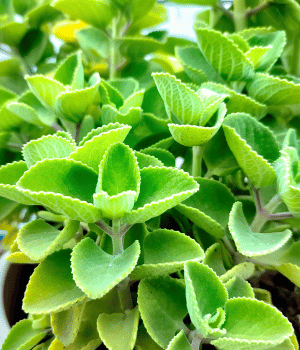
Ajwain is an aromatic herb whose small seeds add a strong flavor to South Asian dishes. First, cooks add the seeds to curries, lentils, breads, and savory snacks. They may also toast the seeds to release their aroma. As a result, ajwain gives dishes an earthy flavor with notes of thyme and anise.
Alfalfa
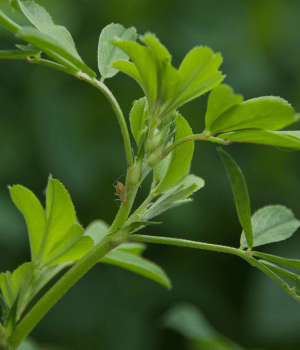
Alfalfa is a leafy legume that farmers mainly grow as animal forage. However, people also eat its young sprouts and leaves. For example, they add alfalfa sprouts to salads, sandwiches, and wraps. As a result, the sprouts provide a mild, fresh flavor and crisp texture.
Alkanet
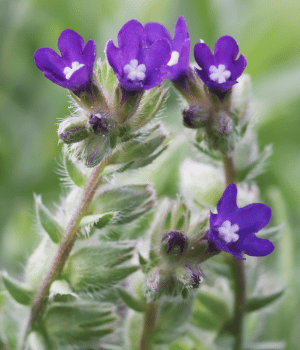
Alkanet is a traditional herb known mainly for the red-purple color that its roots produce. Historically, people used the root as a natural coloring ingredient. However, alkanet does not commonly appear in modern cooking. Therefore, readers should not treat it as a routine food ingredient.alecost as an everyday kitchen herb.
Aloe Vera
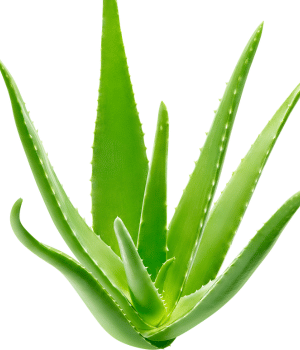
Aloe vera is a succulent plant with thick, gel-filled leaves. First, people remove the outer leaf and process the inner gel for certain foods and beverages. Manufacturers may then add properly processed aloe gel to drinks and other products. However, the yellow latex beneath the leaf skin can cause problems and should not be consumed.
Anamu
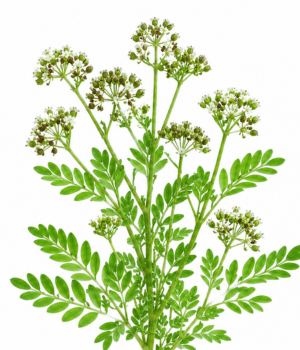
Anamu is an aromatic tropical herb traditionally used in parts of Central and South America and the Caribbean. People have mainly used its leaves in traditional herbal preparations. However, anamu does not commonly serve as a cooking herb. Therefore, it fits better within traditional herbal plants than everyday culinary herbs.
Anise
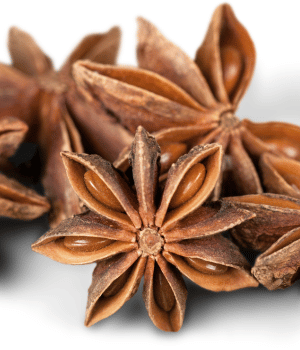
Anise is an aromatic herb that produces small seeds with a sweet, licorice-like flavor. First, cooks use the seeds in breads, pastries, candies, beverages, and spice blends. They can also use whole or ground seeds. Consequently, anise gives foods a warm, sweet aroma and distinctive licorice flavor.
Anise Hyssop
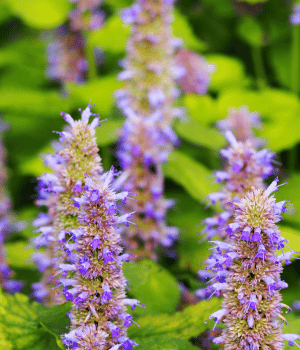
Anise hyssop is a fragrant flowering herb with sweet, anise-like leaves. People use the fresh leaves in teas, salads, desserts, and fruit dishes. In addition, cooks can use its flowers as an edible garnish. As a result, anise hyssop adds refreshing herbal notes with hints of licorice and mint.
Angelica
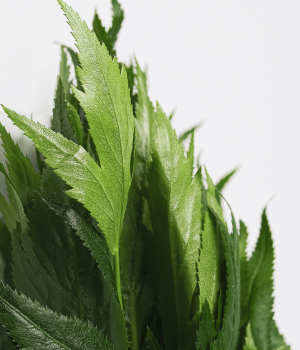
Angelica is a tall aromatic herb from the parsley family. Cooks can use its young stems and leaves in selected dishes, while confectioners use candied stems in desserts. Moreover, people use its seeds to flavor beverages and baked goods. Overall, angelica provides a sweet, herbal, and slightly bitter flavor.
Andrographis
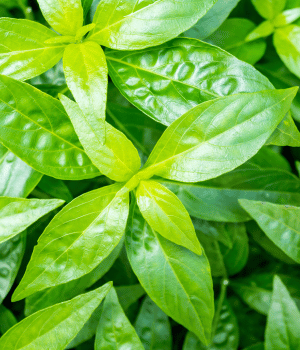
Andrographis is a bitter medicinal herb commonly called king of bitters. Traditional herbal practices use its leaves and aerial parts in various preparations. However, its intense bitterness limits its culinary use. Therefore, people generally recognize andrographis as a medicinal herb rather than a cooking ingredient.
American Ginseng
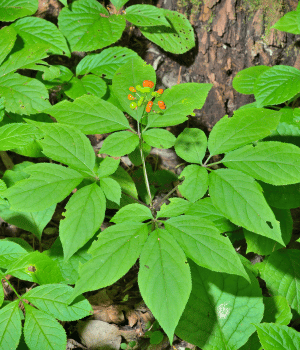
American ginseng is a North American medicinal plant valued for its aromatic root. Traditionally, people process the dried root for teas, extracts, and other herbal preparations. They may also slice or powder the root before use. As a result, American ginseng has an earthy, slightly bitter flavor.
American Horehound
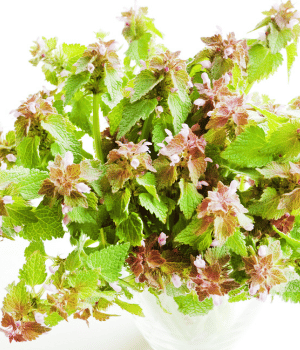
American horehound is an aromatic mint-family herb with a strong, bitter flavor. Traditionally, people use its leaves and flowering tops in herbal preparations. In addition, some preparations combine the herb with sweeteners to make candies or beverages. Consequently, American horehound provides a sharp, bitter taste with a distinctive minty aroma.
American Skullcap
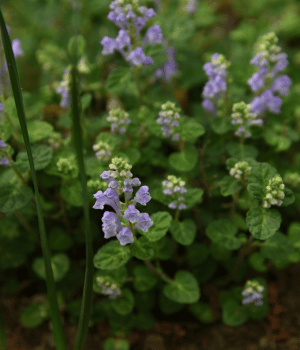
American skullcap is a North American mint-family herb with small leaves and delicate flowers. Traditional herbal practices use its aerial parts in teas, tinctures, and other preparations. However, cooks do not commonly use it as a culinary herb. Therefore, it fits better within traditional herbal plants than everyday cooking herbs.
Arnica
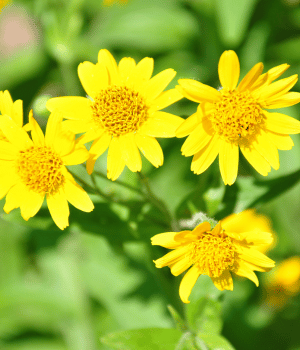
Arnica is a flowering herb that people traditionally use in topical herbal preparations. Certain Arnica species have a history of external use. However, people should not treat arnica as an edible kitchen herb because consuming it can be unsafe. Therefore, it belongs on a broader herbal plant list rather than a culinary herb list.
Ashwagandha
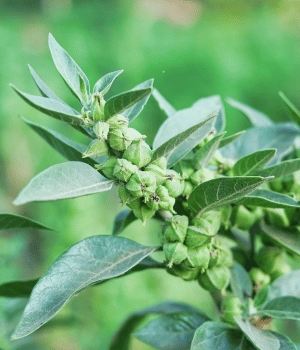
Ashwagandha is a traditional Ayurvedic herb known for its medicinal root. Historically, practitioners have used the dried root in powders, teas, and other herbal preparations. Some traditional drinks also combine the powdered root with milk or other ingredients. As a result, ashwagandha has an earthy, bitter flavor and mainly serves herbal rather than culinary purposes.
Which A Herbs Are Used in Cooking?
A herbs used in cooking range from fragrant seeds and leaves to roots, fruits, and aromatic seasonings. Common culinary choices include:
- Ajwain: Used for its strong, thyme-like flavor in breads, lentils, and savory dishes.
- Anise: Adds a sweet, licorice-like flavor to cookies, breads, candies, and beverages.
- Angelica: Young stems and leaves can flavor foods, while candied stems are used in desserts.
- Anise Hyssop: Fragrant leaves and flowers are used in teas, salads, desserts, and fruit dishes.
- Asafoetida: A pungent seasoning used in lentils, vegetables, sauces, and other savory dishes.
- Alfalfa: Young leaves and sprouts are eaten in salads, sandwiches, and other fresh dishes.
- Alpinia: Some species provide aromatic rhizomes or seeds used as regional spices.
- Ashitaba: Young leaves can be prepared as vegetables or added to teas and other foods.
- Asian Pennywort: Its tender leaves are eaten fresh in salads and used in regional drinks.
- Alpine Sorrel: Tart leaves can add a fresh, sour flavor to salads, soups, and sauces.
- Amla: The sour fruit is used in chutneys, preserves, drinks, and other traditional foods.
Difference Between Culinary and Aromatic Herbs
Culinary herbs are mainly used to add flavor, taste, or seasoning to food. Aromatic herbs are mainly recognized for their strong fragrance, although many can also be used in cooking.
| Feature | Culinary Herbs | Aromatic Herbs |
|---|---|---|
| Main purpose | Flavor food | Provide fragrance and aroma |
| Common parts | Leaves, seeds, stems, roots | Leaves, flowers, seeds, roots |
| Typical use | Cooking, seasoning, baking | Cooking, teas, fragrances, traditional preparations |
| Examples | Ajwain, anise, angelica | Anise, angelica, anise hyssop, Artemisia |
| Main quality | Taste and flavor | Scent and aromatic compounds |
FAQs About Herbs That Start With A
Ajwain, anise, angelica, anise hyssop, alfalfa, arnica, and ashwagandha are common herbs that start with A.
Culinary herbs are mainly used to flavor food, while aromatic herbs are recognized for their strong fragrance and may also have culinary uses.
Ajwain, anise, angelica, anise hyssop, asafoetida, alfalfa, and ashitaba have culinary uses in different foods and regional cuisines.
Aloe vera is a succulent plant with thick, fleshy leaves containing a clear inner gel.
Takeaway
Herbs That Start With A cover culinary, aromatic, traditional, and botanical plant names. Ajwain, anise, angelica, anise hyssop, and asafoetida have especially strong connections with food and flavoring.
For herbal studies, names such as arnica, andrographis, astragalus, American ginseng, and American skullcap are also important. Their uses differ by plant, preparation, and tradition, so each herb should be considered separately.
Read more