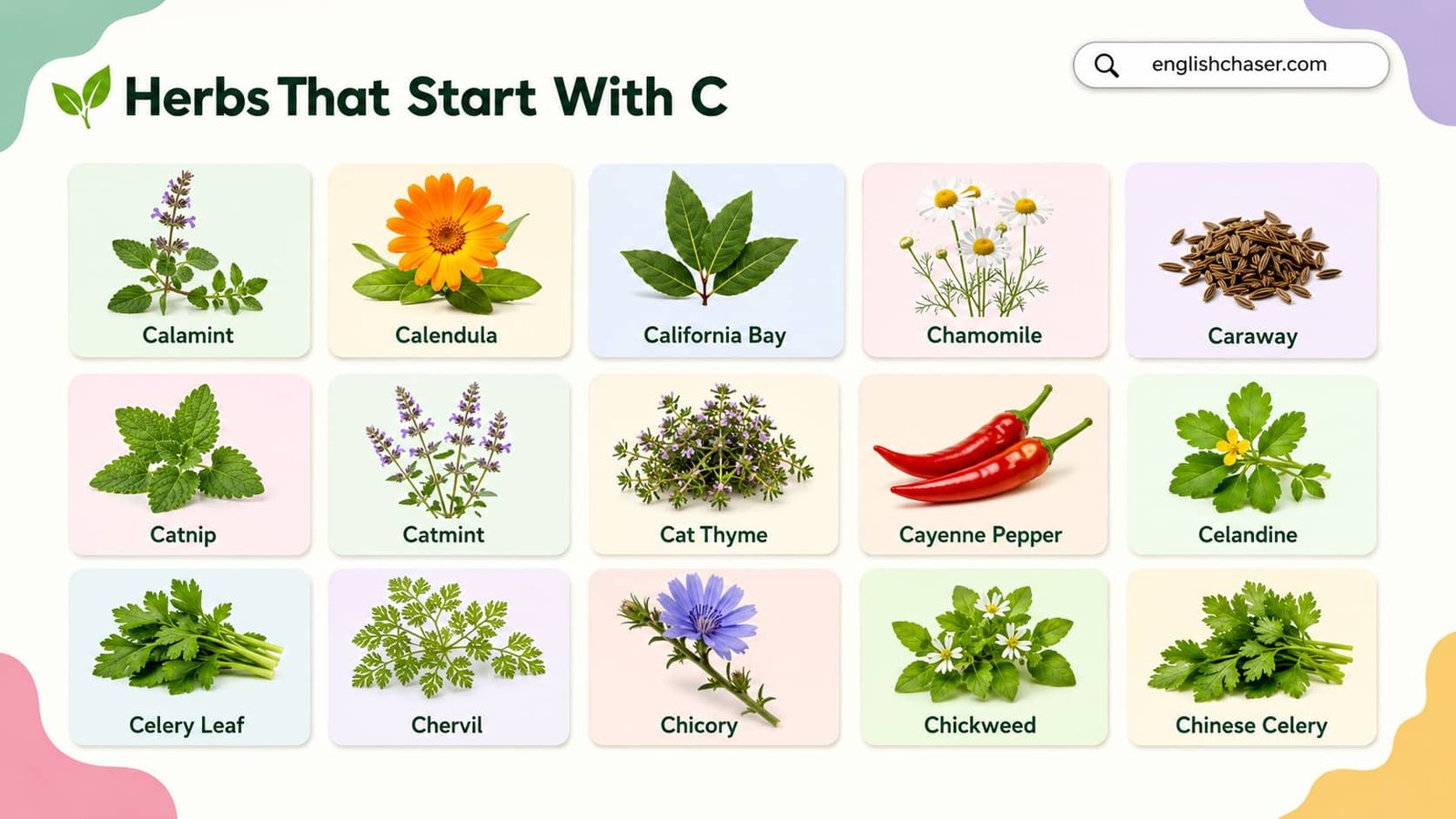

Herbs That Start With C include leafy herbs, aromatic plants, medicinal herbs, and culinary seasonings used around the world. Common choices include cilantro, chives, curry leaf, chamomile, chervil, and cress. Some herbs are used fresh, while others are dried, brewed, or added during cooking for their distinct flavor and aroma.
Herbs That Start With C helps readers understand plant names used in recipes, gardens, herbal studies, and food descriptions. The sections below explain their types, cooking uses, and names with pictures for easier learning.
What Herbs Start With C?
Many herbs start with C, ranging from familiar kitchen plants to traditional medicinal herbs. Cilantro and chives are common culinary choices, while chamomile and catnip are often associated with herbal preparations.
A C herb can refer to a plant used for flavoring, fragrance, traditional remedies, or food preparation.
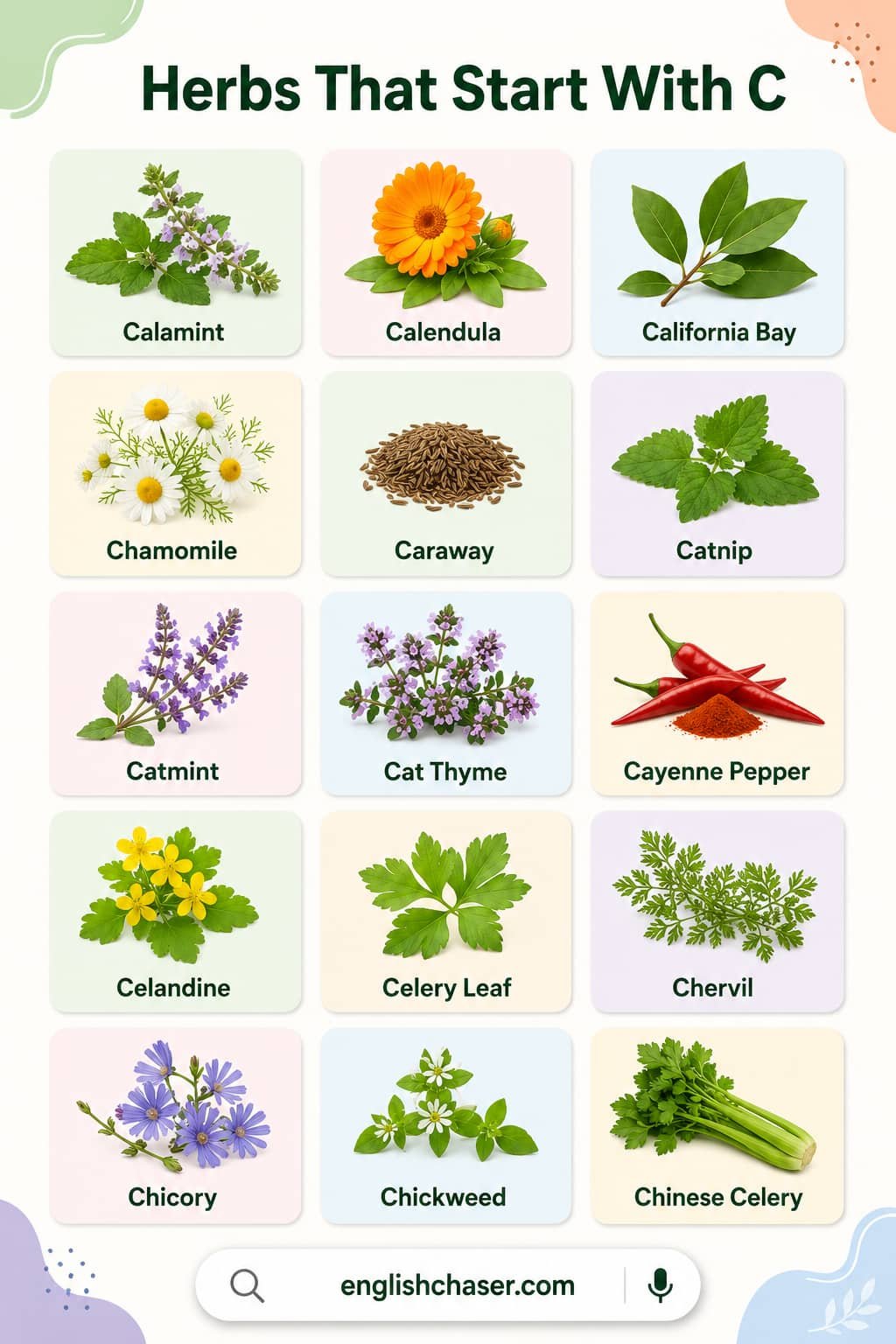
List of Herbs That Start With C
C herbs cover several plant groups and have different flavors, textures, and uses. Some grow as leafy plants, while others provide flowers, seeds, or aromatic leaves.
- Calamint
- Calendula
- California Bay
- Chamomile
- Caraway
- Catnip
- Catmint
- Cat Thyme
- Cayenne Pepper
- Celandine
- Celery Leaf
- Chervil
- Chicory
- Chickweed
- Chinese Celery
- Chinese Chive
- Chinese Mugwort
- Chinese Parsley
- Chinese Skullcap
- Chives
- Cilantro
- Clary Sage
- Cleavers
- Coltsfoot
- Comfrey
- Common Agrimony
- Common Basil
- Common Fennel
- Common Horehound
- Common Mallow
- Common Nettle
- Common Rue
- Common Sage
- Common Sorrel
- Common Thyme
- Coriander
- Costmary
- Creeping Rosemary
- Creeping Thyme
- Cress
Herbs That Start With C With Pictures and Explanation
Pictures can make unfamiliar herb names easier to recognize by connecting the plant with its leaves, flowers, or growth form. The explanations below focus on the herbs most useful for identifying C herbs and understanding their common roles.
Calamint
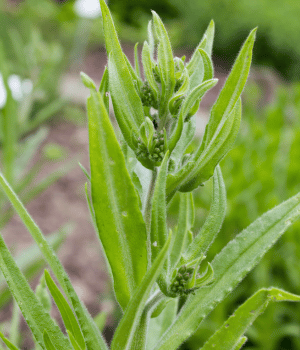
Calamint is an aromatic herb from the mint family with small leaves and a fresh, minty aroma. First, cooks use the leaves fresh or dried in teas, salads, and savory dishes. Then, they add the herb to recipes for a mild mint flavor. As a result, calamint provides a refreshing taste with subtle herbal notes.
Calendula

Calendula is an edible flowering herb commonly known as pot marigold. First, people use its colorful petals fresh or dried in salads, teas, and culinary preparations. Next, cooks may add the petals as a natural garnish. As a result, calendula offers a mild, slightly peppery flavor and bright color.
California Bay
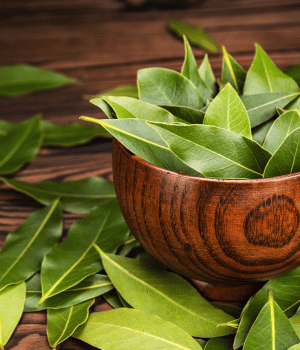
California bay is an aromatic evergreen herb also known as California bay laurel or Oregon myrtle. First, cooks use its leaves as a seasoning in soups, stews, sauces, and marinades. Then, they usually remove the leaves before serving. As a result, California bay adds a strong, herbal, and slightly spicy aroma to dishes.
Chamomile
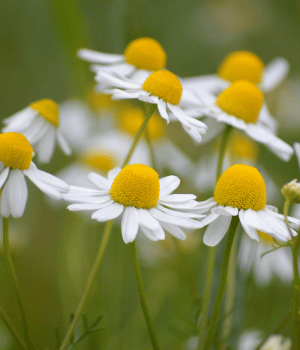
Chamomile is a fragrant flowering herb commonly used for herbal tea. First, people dry the flowers and steep them in hot water. Then, the infusion develops a gentle floral aroma and mild sweetness. As a result, chamomile works well as a soothing beverage and culinary herbal ingredient.
Caraway
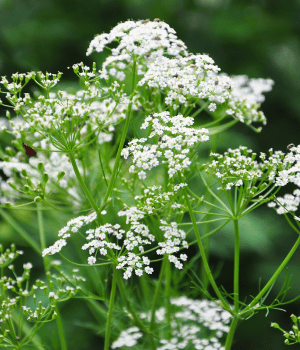
Caraway is an aromatic herb whose seeds are widely used as a spice. First, cooks add the seeds to breads, pastries, cheeses, soups, and savory dishes. Next, they may use whole or ground caraway depending on the recipe. Consequently, caraway provides a warm, earthy flavor with distinctive anise-like notes.
Catnip
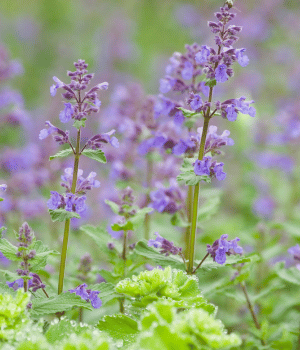
Catnip is an aromatic herb from the mint family with soft, serrated leaves. First, people can use young leaves in herbal teas and some culinary preparations. Then, cooks may add small amounts to dishes for a mild herbal flavor. As a result, catnip offers a delicate minty taste with a slightly earthy character.
Cat Thyme
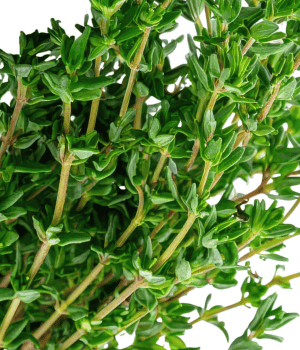
Cat thyme is an aromatic herb known for its thyme-like scent and small leaves. First, cooks can use the herb fresh or dried as a seasoning. Next, they may add it to savory dishes, sauces, or herb blends. Therefore, cat thyme provides a fragrant, earthy flavor with notes similar to traditional thyme.
Cayenne Pepper

Cayenne pepper is a hot chili pepper commonly used as a spice. First, cooks use fresh cayenne peppers or dry and grind them into powder. Then, they add the spice to sauces, soups, marinades, and savory dishes. As a result, cayenne pepper provides a sharp, fiery heat and a bright pepper flavor.
Celandine
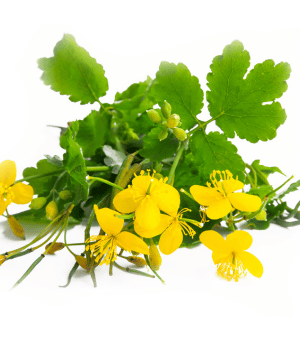
Celandine refers to plants in the poppy family, including greater celandine. Although some species have a history of traditional herbal use, they are not generally considered culinary herbs because they can contain toxic compounds. Therefore, celandine should not be treated as a standard edible herb or added to food without reliable species-specific safety guidance.
Celery Leaf
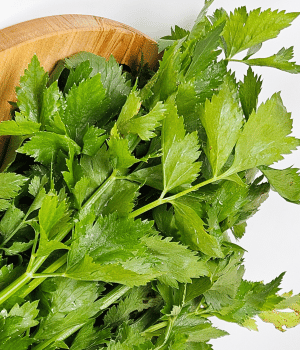
Celery leaf is the leafy part of the celery plant and has a fresh, concentrated celery flavor. First, cooks use the leaves fresh in salads, soups, stocks, and sauces. Next, they may chop the leaves as a garnish or seasoning. As a result, celery leaf adds a crisp herbal aroma and stronger celery taste than the stalk.
Chervil
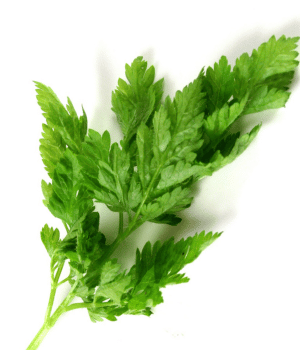
Chervil is a delicate herb from the parsley family with soft, finely divided leaves. First, cooks use fresh chervil in salads, soups, sauces, and egg dishes. Then, they add it near the end of cooking to preserve its delicate flavor. Consequently, chervil provides a mild taste with notes of parsley and anise.
Chickweed
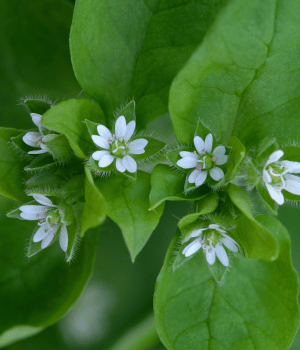
Chickweed is a tender edible herb with small green leaves and a mild flavor. First, people can use young chickweed leaves fresh in salads or sandwiches. Next, cooks may add them to soups and other dishes. As a result, chickweed provides a delicate, slightly grassy flavor and soft texture.
Chinese Chive
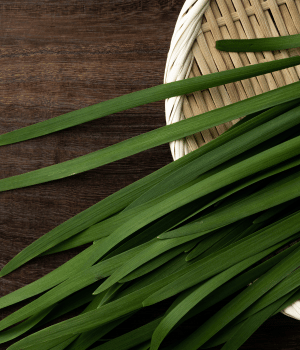
Chinese chive is an aromatic member of the allium family with flat, narrow leaves and a mild garlic-like flavor. First, cooks chop the fresh leaves and add them to dumplings, stir-fries, noodles, and savory pancakes. Next, they may use the flowers or flower buds in certain dishes. Therefore, Chinese chive adds a fresh, garlicky flavor without the intensity of mature garlic.
Chinese Mugwort
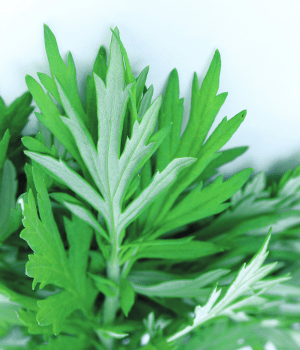
Chinese mugwort is an aromatic herb traditionally used in Chinese and other East Asian cuisines. First, cooks use the young leaves in selected dishes, dumplings, rice preparations, and herbal foods. Then, they may process the leaves into a paste or powder. As a result, Chinese mugwort provides a distinctive herbal, slightly bitter flavor and strong aroma.
Herbs Beginning With C Used in Different Cuisines
C herbs appear in many culinary traditions, especially in cuisines that rely on fresh leaves and aromatic seasonings. Their uses range from garnishes and salads to cooked sauces, rice dishes, and spice mixtures.
Below are several important C herbs and their connections to different cuisines.
Cilantro
Cilantro plays a major role in Mexican and Tex-Mex cooking in the United States. Cooks commonly add it to salsa, tacos, guacamole, rice, beans, and soups. In addition, Thai, Vietnamese, Indian, Chinese, and Latin American cuisines use cilantro in many traditional dishes.
Chives
Chives feature regularly in American and European cooking. Cooks often add them to baked potatoes, scrambled eggs, soups, dips, salads, and cream-based sauces. Meanwhile, Chinese chives have a stronger garlic flavor, so cooks frequently use them in dumplings, noodles, and stir-fries.
Curry Leaf
Curry leaf has an important role in South Indian and Sri Lankan cooking. First, cooks briefly fry the leaves in oil to release their strong aroma. Then, they add other ingredients to build the dish. As a result, curry leaves bring their distinctive flavor to curries, dals, chutneys, and rice dishes.
Culantro
Culantro commonly appears in Caribbean, Central American, and parts of South American cooking. Because it has a stronger flavor than cilantro, cooks often use it in soups, stews, sauces, and seasoned rice. It also works well in dishes that require longer cooking, where cilantro may lose some of its fresh flavor.
Cress
Cress adds a fresh, peppery flavor to salads, sandwiches, soups, and vegetable dishes. Watercress, in particular, appears frequently in European and American recipes. Therefore, cooks can use it to give mild dishes a sharper herbal taste without adding many other seasonings.
Chervil
Chervil has a long-standing place in French cuisine. Cooks use it in salads, soups, sauces, omelets, and classic French herb combinations. However, its delicate flavor can fade with prolonged cooking. For this reason, cooks usually add chervil near the end of preparation.
Celery Leaf
Celery leaves can add a concentrated celery flavor to American soups, stews, stocks, salads, and sauces. Instead of discarding the leaves, cooks can use them to deepen the flavor of a dish. They also make a fresh garnish for soups and vegetable dishes.
Centella
Centella appears in several South and Southeast Asian culinary traditions. Cooks use it in salads, sambals, drinks, and cooked preparations. In Sri Lankan cuisine, for example, people use gotu kola in traditional leafy dishes such as gotu kola sambol.
Which Herbs Starting With C Are Used in Cooking?
Many herbs starting with C can add flavor, aroma, or freshness to everyday dishes. For example:
- Cilantro: Adds a fresh, citrusy flavor to salsa, tacos, soups, and salads.
- Chives: Give eggs, potatoes, soups, and dips a mild onion flavor.
- Curry Leaf: Adds a strong, savory aroma to curries, rice dishes, and chutneys.
- Culantro: Provides bold herbal flavor in soups, stews, sauces, and rice dishes.
- Cress: Brings a fresh, peppery taste to salads and sandwiches.
- Chervil: Adds a delicate herbal flavor to soups, sauces, and omelets.
- Caraway: Brings warm, earthy notes to bread, soups, and vegetable dishes.
- Celery Leaf: Gives stocks, soups, salads, and sauces a strong celery flavor.
- Chinese Chives: Add a garlic-like taste to noodles, dumplings, and stir-fries.
- Chicory: Provides a slightly bitter flavor in salads and cooked greens.
Herbs That Start With C: Uses, Flavors, and Plant Parts
The table below compares Herbs That Start With C by their main plant parts, flavors, and common culinary or traditional uses.
| Herb That Starts With C | Common Use |
|---|---|
| Cilantro | Salsa, tacos, soups |
| Chives | Eggs, potatoes, salads |
| Curry Leaf | Curries, rice, dals |
| Chamomile | Herbal tea |
| Chervil | Soups, sauces, salads |
| Cress | Salads, sandwiches |
| Culantro | Soups, stews, sauces |
| Caraway | Bread, soups, vegetables |
| Calendula | Herbal preparations |
| Chicory | Greens, roasted beverages |
| Celery Leaf | Soups, stocks, salads |
| Chinese Chives | Dumplings, noodles, stir-fries |
| Centella | Salads, sambols, drinks |
| Catnip | Herbal tea, pet use |
| Comfrey | Traditional external preparations |
FAQs About Herbs That Start With C
Common herbs that start with C include cilantro, chives, curry leaf, chamomile, chervil, cress, culantro, caraway, and celery leaf.
The 15 common herbs that start with C are Cilantro, Chives, Curry Leaf, Chamomile, Chervil, Cress, Culantro, Caraway, Calendula, Catnip, Chickweed, Chicory, Celery Leaf, Chinese Chives, and Centella.
Cilantro, chives, curry leaf, culantro, cress, chervil, caraway, celery leaf, and Chinese chives are commonly used in cooking.
Chamomile and catnip are two C herbs traditionally used to prepare herbal teas. Chamomile is especially known for its mild floral flavor.
Cilantro, chives, celery leaf, cress, and chervil can be used as garnishes to add fresh flavor and color to dishes.
Takeaway
Herbs That Start With C include familiar kitchen herbs and less common traditional plants. Cilantro, chives, curry leaf, chervil, cress, culantro, and celery leaf are especially useful for cooking. Chamomile, calendula, centella, catnip, and other C herbs have different traditional or herbal roles.
When identifying an unfamiliar plant, check its botanical name and intended use. Some herbs have safety restrictions and should not be used as ordinary cooking ingredients.
Read more